
Sometimes blog ideas come from data. Sometimes they come from experience.
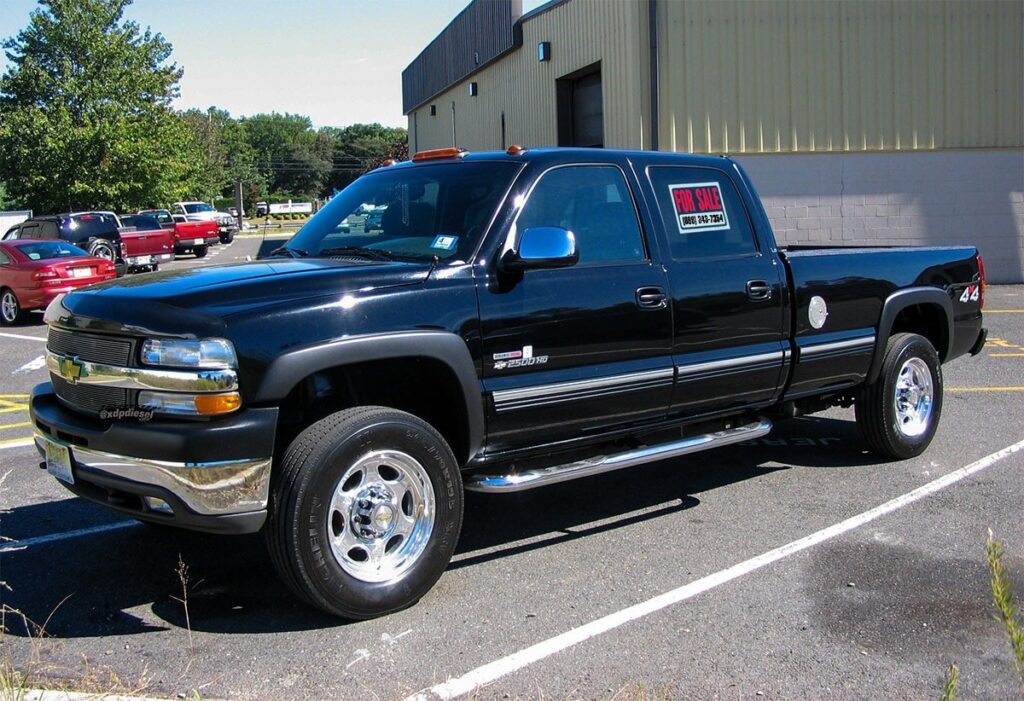
And sometimes… they come from your truck catching on fire. One of our own XDP employees recently found himself unexpectedly truck-less after his daily driver decided, very enthusiastically, that it had lived a full life. Needing something to drive NOW, he did what most people do in a pinch… he opened a popular social media app and started looking.
In the land where “Is this still available?” is a personality, titles are optional, and everyone “knows what they’ve got,” he remembered why buying a vehicle on some of these platforms is not for the faint of heart. After surviving the experience, we realized it might be time to help others avoid the same headache.
Welcome to the Wild West
Buying a truck used to mean driving around and visiting dealerships or flipping through classified ads. Today, truck shopping looks very different. Between social media marketplaces and groups, online classified ads, auto listing websites, and dealer inventory sites, buyers have more options than ever before. That’s great news… until it isn’t.
Online marketplaces and social media listings can sometimes offer incredible deals, especially if you’re willing to do some digging. The downside is that they’ve also removed most of the guardrails. Instead of sales managers and paperwork desks, you’re dealing directly with strangers who may or may not reply, may or may not show up, and may or may not remember where the title is.
And if you’ve ever tried buying a vehicle through some of these platforms, you already know one universal truth:
If the ad is still up… yes, it’s still available.
Online truck shopping isn’t necessarily bad, it just requires a little more homework, a little more patience, and fewer assumptions. The goal here isn’t to scare you away. It’s to help you avoid wasting time, getting pressured, or buying a truck that somehow looked way better in photos. Somewhere between serious listings and blurry screenshots, you’ll also find optimism, creative storytelling, and the occasional belief that a title is more of a suggestion than a requirement by law.
Decoding the Online Marketplace Listings
The listings found on online marketplaces can tell you a lot about a truck, and sometimes even more about the person selling it. Learning how to read between the lines can help you avoid chasing deals that sound great but come with surprise plot twists.
“If It’s Posted, It’s Available”
You’ll see this disclaimer on countless listings, and for good reason. Sellers are bombarded with automatic messages asking if the vehicle is still available. If you want to stand out as a serious buyer, skip the default button and ask an actual question.
Asking “Is this still available?” tells the seller nothing. Asking about mileage, maintenance, or title status tells them you might be worth responding to.
Description Red Flags
Certain phrases have earned their reputation over time. They don’t automatically mean the truck is bad, but they do mean you should slow down.
- “Ran when parked” – Translation: it ran at some point in history.
- “Just needs a sensor” – Sometimes true. Sometimes the most optimistic diagnosis possible.
- “No title but easy to get” – Easy for who is the important question here.
- Priced far below similar listings – This could be a great deal… or the price of skipping ahead to the repair chapter.
- “Perfect,” “like new,” “no issues” – Every used vehicle has something. The goal is to find one with manageable somethings.
- “Just needs an alignment” – Probably means the steering is completely shot.
- “It may need an injector” – If this diagnosis is already in the description, assume it’s not a maybe.
- “Just broken in” – High-mileage diesel trucks can still be good trucks, but 300,000 miles deserves a closer look.
None of these phrases automatically mean the truck is bad. Sellers can be very hopeful when it comes time to sell, and that optimism may occasionally blur the line between best-case scenario and reality.
Photos That Should Concern You
Photos are often where the story really gets interesting. Be cautious of listings where photos are:
- Taken at night – great for a profile picture. Not ideal for a vehicle listing.
- Taken in the rain – also cool for a profile picture. Not great when you’re trying to evaluate paint and condition.
- Shot from very far away – If you need to zoom in just to confirm it’s a truck, you’re not getting the full picture.
- Limited to one blurry interior photo – if the camera struggled, there’s probably more you’re not seeing.
- The truck looking wet in every photo – like it was just washed and never dried. Shiny sells, but water can hide clear coat damage, oxidation, or other issues you’d rather see upfront.
A well-documented listing usually includes multiple angles, interior shots, engine bay photos, and an odometer picture. Sellers who are confident in their truck are generally happy to provide more photos when asked. If the photos look like they were taken between raindrops and dinner plans, expect the inspection to feel the same way.
Vet the Seller (Not Just the Truck)
You can learn a lot about a truck by looking at it. You can often learn even more by looking at the person selling it.
Online marketplaces don’t come with a background check, so doing a little seller homework can save you from wasting time or walking into a situation you didn’t sign up for.
Start With the Title Question
One of the first things worth clarifying is whether the title is actually in the seller’s name. This doesn’t automatically make or break a deal, but it does determine how complicated the transaction may become.
If the truck is still financed, the seller won’t physically have the title; the bank or credit union will. In many cases, the plan is to pay off the loan and receive the title once it’s released and mailed. This is relatively common, but it’s also something that deserves extra caution, patience, and clear communication. If the explanation sounds vague, rushed, or changes over time, that’s worth noting.
How Many Trucks Is Too Many?
A seller who casually moves through a lot of vehicles isn’t necessarily a problem. Some people buy and sell regularly, and many do it well. The key is honesty and transparency.
If someone claims this was their “personal truck,” but their profile shows a steady stream of vehicle listings, it’s reasonable to ask a few follow-up questions. Understanding whether you’re dealing with a private owner or someone who regularly flips vehicles helps set expectations for maintenance history, documentation, and pricing. There’s nothing wrong with either, as long as everyone’s upfront.
Take a Quick Look at the Profile
You don’t need to conduct a full investigation, but a quick glance at the seller’s social media profile can be helpful. Things worth paying attention to:
- Brand-new accounts
- Zero friends or activity
- A large number of active vehicle listings
This doesn’t mean you’re dealing with a scammer. It just means you should switch from “casual browsing” mode to “verify everything” mode.
Communication Matters
How a seller communicates can tell you a lot before you ever meet. Be cautious if you hear:
- “Let’s do everything online”
- “I’m out of town but can ship it”
- “Someone else is on the way with cash right now”
Legitimate sellers typically have no issue meeting in person, answering basic questions, and setting a reasonable time to look at the truck. Pressure to rush or avoid face-to-face interaction is rarely a good sign.
Trust Your Instincts (They’re Usually Right)
If something about the interaction feels off, the answers are vague, the story keeps changing, or the urgency feels manufactured, it’s okay to walk away.
Online marketplaces have no shortage of trucks, and there will always be another listing. Walking away doesn’t mean you lost a deal. It usually means you avoided a problem.
Before You Ever Leave the House
Once a listing catches your attention, resist the urge to jump in the truck immediately. Shopping excitement plus urgency is how people end up saying, “I already drove all this way…”
Try to Avoid Inspecting a Truck:
- At night
- In the rain
- “Real quick after work” when you’re rushed or losing daylight
Low-light conditions can hide paint defects, leaks, rust and interior wear. Being rushed also makes it easier to skip steps or talk yourself into overlooking something small that turns out to be not so small in the daylight.
They say not to grocery shop when you’re hungry because you’ll fill the cart with junk. The same idea applies here: If your brain is thinking about supper, it’s not thinking about oil leaks.
Ask for the Basics Up Front
Before scheduling a meetup, ask for:
- The VIN
- Any available service records
- A cold-start video
A cold-start video can reveal starting issues, unusual noises, smoke behavior, and idle quality, all without burning fuel or daylight. If a seller refuses simple requests, that’s useful information too.
Do a Little Homework
Popular vehicle history reports usually cost money, but they often save money in the long run. These reports can show accident history, ownership changes, title branding, and some service records when available.
A Google search of the VIN may help if the truck was previously listed online, but it often turns up nothing. Free information is great. Accurate information is better. Spending a few minutes researching before you leave the house can help you decide whether the truck is worth your time and helps you show up asking smarter questions.
The In-Person Inspection (Trust Your Gut)
This is the moment of truth. You’ve read the listing, talked to the seller, and taken the drive. Now it’s time to actually look at the truck, not the idea of the truck, not the potential of the truck, but the truck that exists in front of you. Take your time. Sellers who rush inspections usually aren’t doing you any favors.
Bring a Few Essentials
You don’t need a shop full of tools, but showing up prepared makes a difference. Make sure to bring:
- A flashlight
- A friend (preferably one who isn’t emotionally attached to buying this truck)
- A healthy amount of skepticism
- A scan tool or code reader if you have one
That last one is especially useful. Some trouble codes can be stored in the ECM without ever lighting up the dash. If the check engine light is on, scanning it beats guessing every time.
Start With a Walk-Around
Before you pop the hood or start the engine, walk around the truck. Look for:
- Mismatched paint or panels that don’t line up
- Dents or scratches that weren’t mentioned
- Signs of rust in common problem areas
- Uneven tire wear that might point to alignment or suspension issues
If the truck looks very different in person than it did online, trust what you’re seeing now. Photos don’t need to be perfect, they just need to be honest.
Pop the Hood and Take a Look
You don’t have to be a mechanic to notice obvious issues: a quick glance under the hood can tell you a lot about how a truck has been maintained. Pay attention to:
- Fluid levels and condition
- Loose or damaged wiring
- Aftermarket parts that look unfinished or poorly installed
- Missing bolts or fasteners (they don’t usually leave on their own)
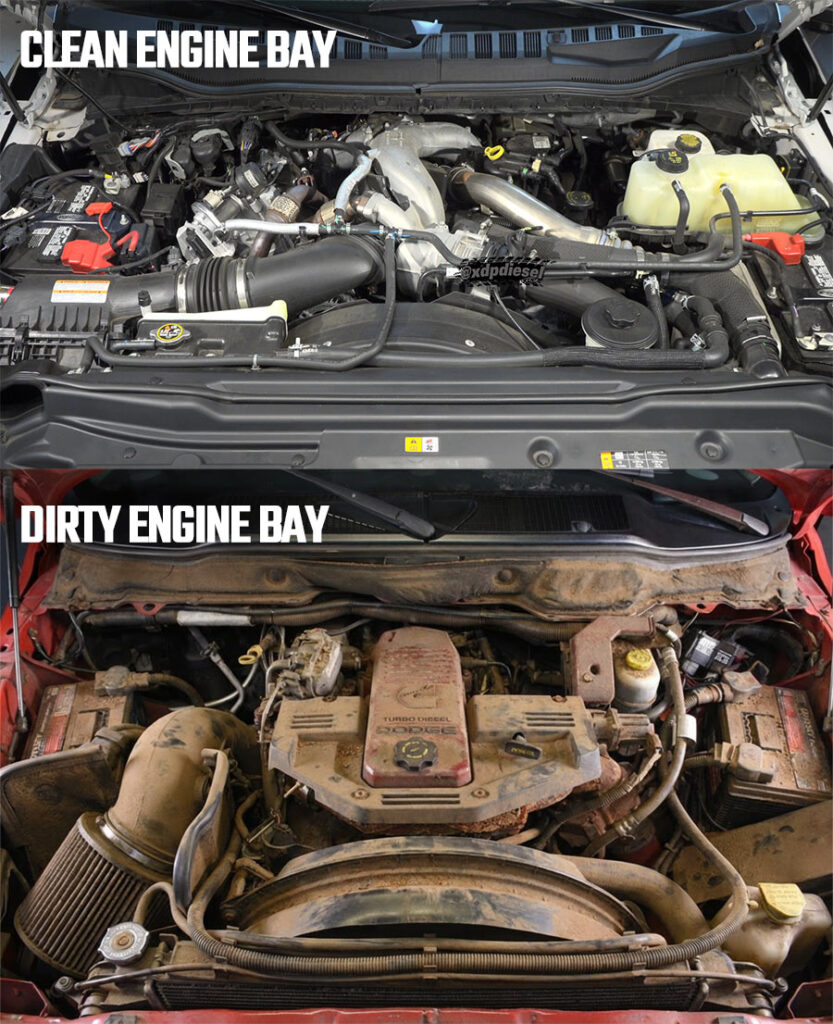
It’s also worth taking in the overall condition of the engine bay. A spotless engine bay doesn’t guarantee a perfect truck, and a dirty one doesn’t automatically mean trouble. But extremes in either direction can tell a story.
A well-maintained engine bay often reflects consistent care, while excessive grime, oil buildup, or neglected components can be a sign the truck hasn’t been getting much attention under the hood. If the seller says, “That’s normal,” it’s fair to ask how they know.
Crawl Under the Truck (Yes, Really)
It’s not glamorous, but it’s important. Look for:
- Fresh oil, coolant, or other fluid leaks
- Excessive rust on the frame or suspension components
- Damage that suggests hard use or poor road conditions
Surface rust is common. Structural concerns deserve a closer look. If the ground is wet and it hasn’t rained, that’s worth asking about.
Check the Interior: It Tells a Story
Interior condition often reflects how a truck was treated. Take note of:
- Seat wear compared to mileage
- Steering wheel and pedal wear
- Switches, buttons, and controls
- Warning lights on the dash
If a light is on, believe it. If a light “just came on yesterday,” believe that too, just not in the way the seller hopes.
Take a Proper Test Drive
A trip around the block isn’t enough. During the drive:
- Pay attention to how it starts
- Feel how it shifts
- Listen for noises over bumps
- Test the brakes at different speeds
- Drive it long enough for things to warm up
If the seller doesn’t want you to drive the truck, it isn’t your truck.
Trust Your Gut
At some point, the inspection stops being about checklists and starts being about instinct. If something feels rushed, hidden, or glossed over, it’s okay to walk away, even if you’ve already driven there, even if the price seems good, even if the seller assures you it’s fine.
Titles, Paperwork & Other Mood Killers
This is the part of the process where enthusiasm often drops and adult responsibilities show up uninvited. Paperwork isn’t fun, but it’s also where a “great deal” can turn into a very long headache if you’re not careful.
Title Types Matter More Than You Think
Not all titles are created equal and understanding what you’re being handed is important.
- Clean title – Usually the simplest situation. No extra steps, no surprises.
- Rebuilt or salvage title – Not automatically a deal-breaker, but they do require extra research, thorough inspection, and pricing that reflects the added risk. Some states may use additional title brands like flood, fire-damaged, junk, or irreparable, depending on the vehicle’s history and local regulations. Understanding how your state handles title branding can make a big difference in what you’re actually buying.
- “Lost, but I know a guy” – This is where things tend to get complicated. Title replacement rules vary by state, and what sounds easy in conversation can quickly turn into weeks of waiting or paperwork you didn’t plan on dealing with. This is rarely followed by a clear plan and almost never followed by a short wait at the DMV.
If a seller can’t clearly explain the title status or the process to resolve it, that’s your cue to slow things down.
What If the Seller Doesn’t Have the Title?
If the truck is financed, the seller won’t physically have the title. The lienholder, usually a bank or credit union, does. The usual process involves:
- You paying the seller
- The seller paying off the loan
- The bank mailing the title after the lien is released
This situation isn’t uncommon, but it does require trust, documentation, and patience. It’s perfectly reasonable to ask how the payoff will be handled and to involve the bank directly if possible. If the plan sounds vague or rushed, that’s a sign to slow down.
Payment Methods That Deserve Extra Caution
Be wary of sellers who push for:
- Wire transfers
- Gift cards
- Unusual or irreversible payment methods
Pressure to move money quickly without proper documentation is a major red flag. A cashier’s check or completing the transaction at a bank is a reasonable request. Legitimate sellers generally understand and often prefer the added security.
Don’t Fall for Artificial Urgency
“Someone else is on the way with cash.” Sometimes that’s true. Often, it’s not.
A seller pushing you to skip steps, avoid paperwork, or rush a decision usually isn’t doing it for your benefit. There will always be another truck. There will not always be another chance to undo a bad purchase.
Paperwork Isn’t Optional
Before money changes hands, make sure you have:
- A properly signed title (or clear plan to receive it)
- A bill of sale
- Any required state-specific documents
Buying a pickup should be exciting, not a legal puzzle you’re still solving months later. Slow down, ask questions, and remember: the right seller won’t mind doing things the right way.
Online Marketplace Myths & Legends
Every online vehicle listing seems to come with its own set of familiar phrases. You’ll see them so often that they start to feel like folklore passed from seller to seller, unchanged, unquestioned, and usually optimistic.
“I Know What I’ve Got”
This phrase usually appears alongside a price that doesn’t quite line up with reality. It doesn’t mean the truck is bad, it just means the seller has already decided what it’s worth.
If the price reflects condition, maintenance, and market value, great. If not, you’ll quickly find out whether there’s room for conversation or not.
“Price Is Firm”
Sometimes it really is. Sometimes it means “price is firm until someone shows up in person.”
Either way, it’s useful information. It tells you whether negotiating is worth your time before you drive across town or the whole state.
“Just Needs a Battery”
Occasionally, that’s true. Often, it’s the most hopeful explanation available.
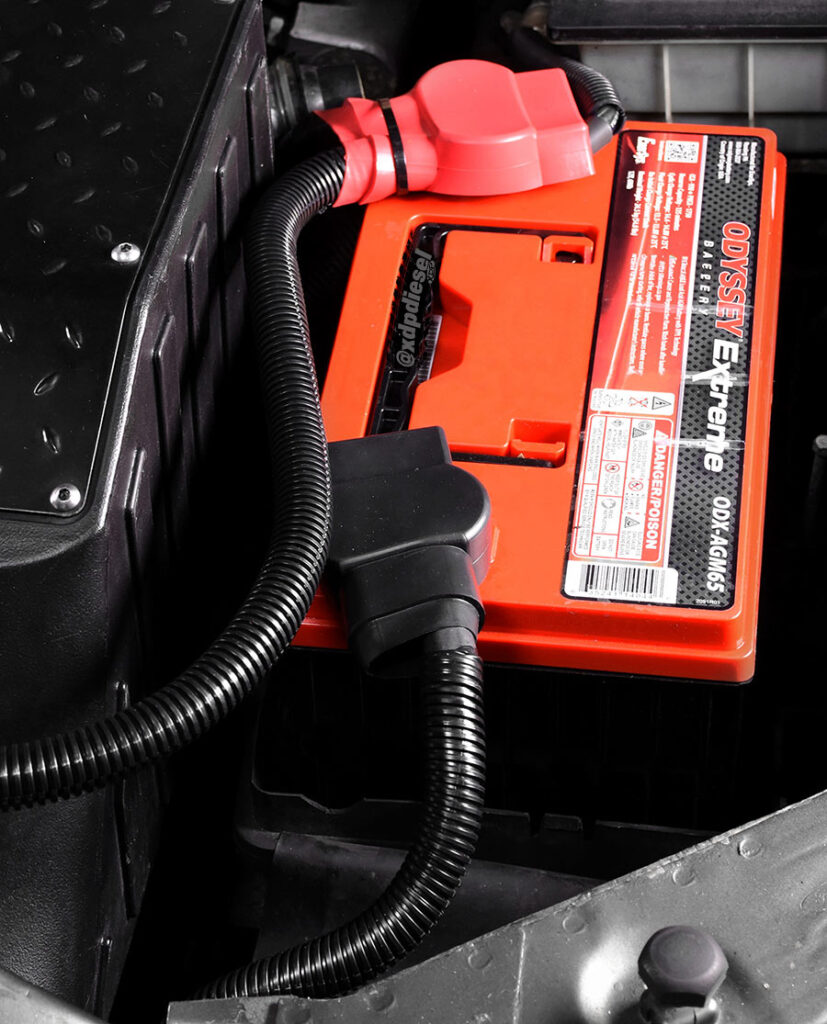
A dead battery can hide a lot of other issues, from electrical problems to warning lights that haven’t had the chance to turn on yet. If a truck won’t start, it’s fair to ask why and to verify the answer.
If possible, bring a battery jumper or jumper cables and see if the pickup will start. If it still won’t run, that’s useful information, and not usually a good sign. Buying a vehicle without hearing it run or taking it for a test drive can turn a simple purchase into an expensive lesson very quickly.
“Built Transmission and/or Motor”
This one deserves its own category. You’ll often see listings mention a “built transmission” or “built motor.” That can mean a lot of different things, and not all of them are equal. Built might mean:
- Fully upgraded internals by a reputable shop
- Select internal upgrades or supporting components
- One aftermarket part installed years ago
- Or simply confidence
You may also see references to staged upgrades, like “Stage 1, 2, or 3” components. These labels aren’t universal and can very widely between brands, shops, and sellers. There’s nothing wrong with a built transmission or engine, but it’s reasonable to ask what was done, who did the work, and whether there’s documentation to support it.
“Someone Else Is Coming With Cash”
Sometimes true. Often said when a seller senses hesitation. This line doesn’t mean you should panic. It means you should stick to your process. If the truck is right, it’ll still be right after you’ve asked your questions.
Online listings aren’t inherently dishonest, but they are optimistic by nature. The goal isn’t to assume the worst. It’s to verify the details and make decisions based on facts instead of myths.
Talking Numbers Without Starting a Fight
At some point, every truck conversation turns into a money conversation. How you handle that part often determines whether the deal moves forward, or ends immediately.
Asking Price Is a Starting Point
Most online listings are priced with at least a little room to move. That doesn’t mean every seller expects a huge discount, but it does mean the asking price isn’t always the final word. Before making an offer:
- Look at similar listings
- Consider condition, mileage, and documentation
- Factor in any repairs or missing items you noticed
An informed offer shows you’re serious. A random number does not.
Don’t Lead With an Insult
There’s a difference between negotiating and lowballing. Offering thousands below asking price without explanation usually ends the conversation, not because the seller is offended, but because they assume you’re not serious. If you’re going to offer less, explain why:
- Needed repairs
- Title complications
- Missing parts
- Condition that wasn’t clear in the listing
Facts go further than opinions.
Cash Isn’t a Magic Spell
While cash can simplify transactions, it doesn’t automatically justify a deep discount. Most sellers already assume buyers are paying in cash unless discussed otherwise. Using “cash in hand” as your main negotiating tool works far less often than people think.
Timing Matters
Negotiation usually goes better:
- After you’ve seen the truck in person
- After you’ve asked questions
- After you’ve demonstrated genuine interest
Negotiating too early often feels speculative. Negotiating too late feels rushed.
Respect Goes a Long Way
Even if you don’t agree on price, staying respectful keeps the door open. Many deals don’t happen on the first conversation, but they do happen when a listing sits longer than expected.
You don’t need to win the negotiation. You just need to make a deal that still feels good the next morning.
Resources for Smarter Truck Buying
If you’re still researching or narrowing things down, we’ve put together a growing collection of buyer’s guides that dive deeper into specific trucks, components, and common questions. They’re designed to help you make informed decisions before you buy, and before problems start.

Before You Hand Over the Cash
Buying a pickup through online marketplaces is part shopping and part detective work. When you slow the process down, ask the right questions, and trust your instincts, it doesn’t have to feel like a gamble.
Our experience proved one thing: replacing a truck because it caught fire is stressful enough – the buying process shouldn’t add to it. Take your time, verify the details, and don’t let urgency make decisions for you.
Take your time, trust your instincts, and remember: if something feels rushed, vague, or too good to be true, it probably is. When in doubt, walk away. There will always be another truck.