
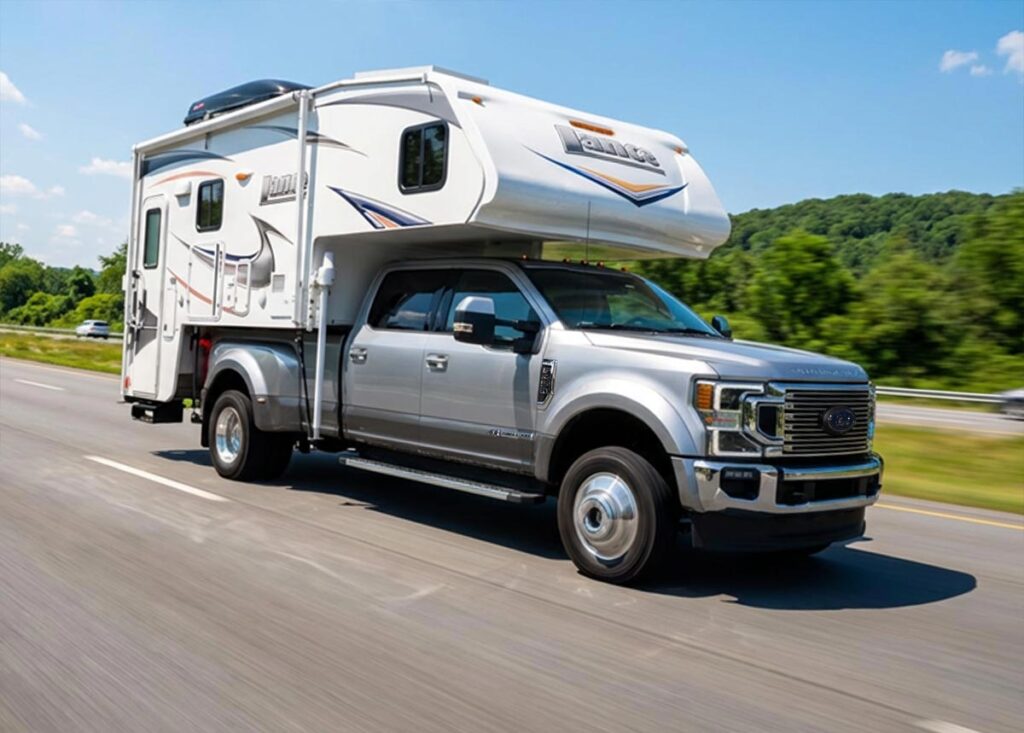
The truck felt perfect this spring. Cool mornings, strong throttle response, no warning lights, no strange noises. Whether it was your daily commute or a short trip across town, everything behaved exactly the way it should. You might have even caught yourself saying, “Runs like a dream.” And it did.
Then summer got closer.
Boats came out of storage. Campers got hooked up again. ATVs headed back to the trails. We know many diesel trucks have trailers hooked up year-round. But for a lot of owners, summer is when campers, boats, and ATVs come out of storage and the truck starts seeing heavier weekend use again. Others have been driving through months of road salt and grime without a second thought about what’s still sitting underneath when all the snow goes away.
Somewhere between the first loaded trip and the next stretch of slow summer traffic, the truck starts feeling just a little different. Not broken, but like it was working harder than it used to.
That’s how summer problems usually start. They don’t show up all at once. They build gradually as temperatures stay high day after day and systems that handled cooler weather easily begin working closer to their limits. Taking a few minutes to check things over before summer heat sets in can prevent many of the issues that tend to show up later in the season.
Here’s where summer heat usually shows up first.
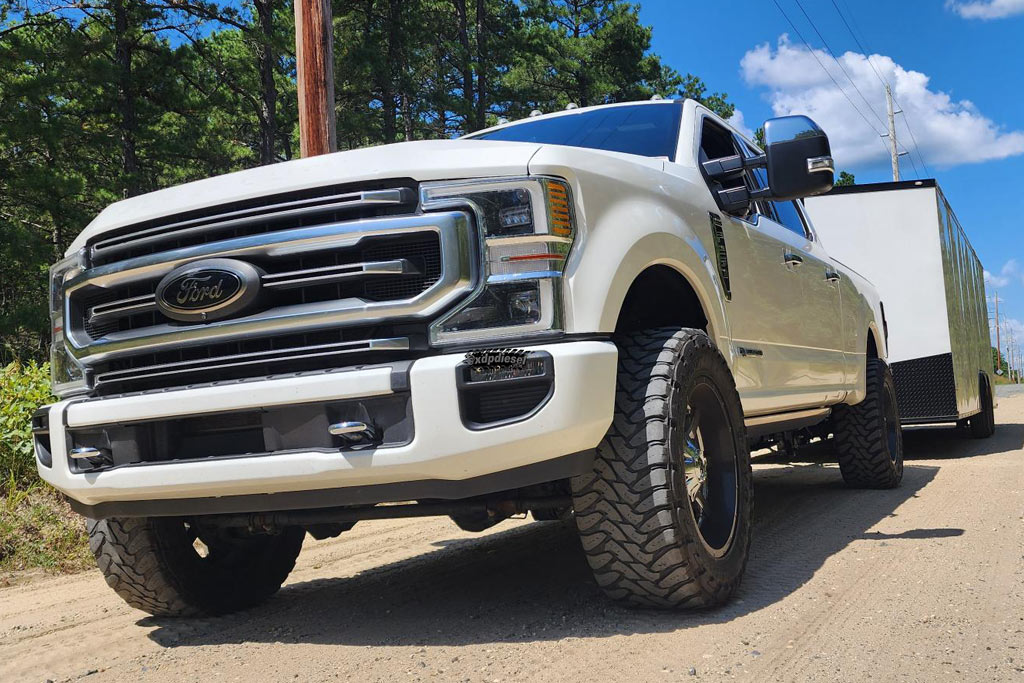
The Cooling System Is Usually the First to Raise Its Hand
One of the earliest signs your truck is feeling summer heat usually isn’t anything on the dash. It’s the fan running more often than it did a few weeks earlier. That’s your cooling system working harder to maintain the same operating temperature it handled easily in cooler weather.
In many cases, the cause isn’t a failing component. It’s airflow.
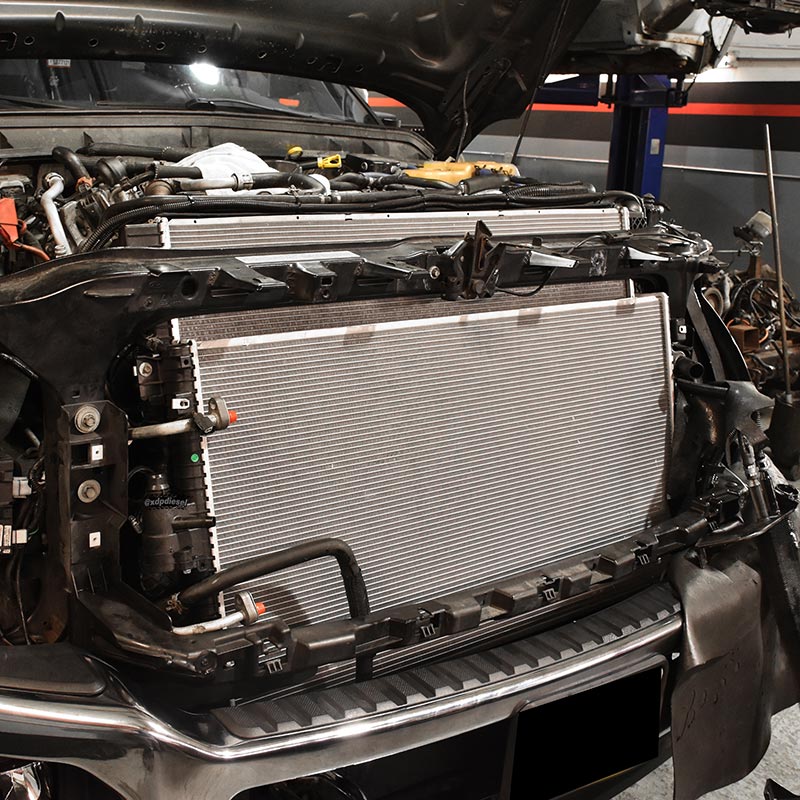
Highway driving packs bugs, dust, and debris between the fins of the intercooler, condenser, and radiator. Because these components share the same airflow path, even light buildup can reduce the amount of air reaching the radiator and lower overall cooling efficiency during hot-weather driving.1 Over time, that lost airflow removes the safety margin your truck depends on when towing, idling in traffic, or climbing long grades.
Coolant condition matters too. As coolant ages, it becomes less effective at transferring heat and protecting internal components from corrosion.1 Hoses that felt normal in spring can soften once temperatures stay elevated, and water pumps sometimes begin showing early seepage once the heat sticks around.
Before the hottest part of the season arrives, it’s worth checking:
- Debris between the intercooler, condenser, and radiator
- Upper and lower radiator hose condition
- Dried coolant residue near fittings or the water pump
- When the coolant was last replaced
None of these issues usually cause immediate overheating. Instead, they reduce the operating margin your truck depends on once summer driving conditions become consistent.
The Transmission Usually Speaks Up Next
Transmission problems rarely introduce themselves dramatically. More often, they show up as subtle changes in shift feel that are easy to ignore at first. Maybe the truck holds a gear slightly longer climbing a hill, or shifts feel softer than they did in cooler weather.
Automatic transmissions generate heat every time they shift. Summer temperatures make that heat harder to shed, especially during:
- Stop-and-go traffic
- Highway towing
- Long uphill grades
- Extended driving with the A/C running continuously
As temperatures increase, transmission fluid begins losing its ability to lubricate and protect internal components effectively.2 Many diesel trucks won’t provide early warnings when temperatures move beyond the ideal range, which means small behavior changes are often the first sign something is working harder than it should.
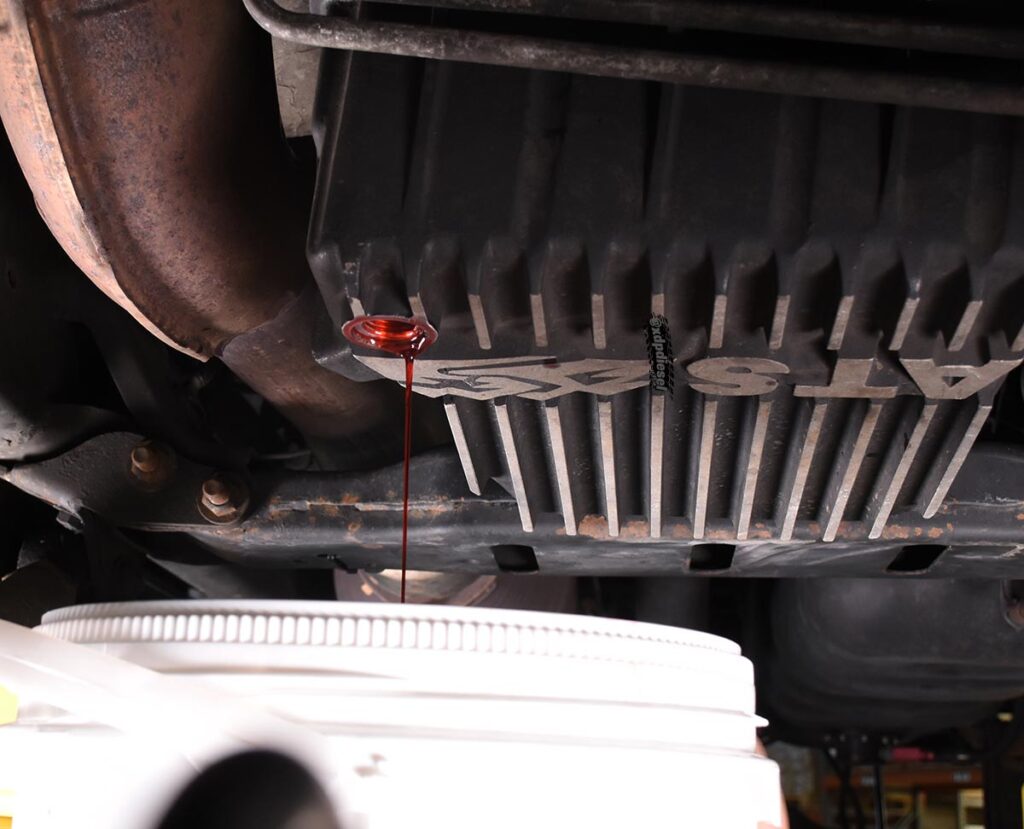
Transmission fluid life drops more quickly as operating temperatures climb, especially during towing, long grades, and slow summer traffic. That’s one reason many diesel owners add auxiliary transmission coolers or deeper pans when their trucks start seeing heavier warm-weather use.2
Transmission manufacturers, like Allison Transmission, Inc., warn that sustained high transmission temperatures can lead to internal damage. They specifically recommend stopping to allow the transmission to cool if temperatures are elevated.3
Before summer driving ramps up, check:
- Transmission fluid color and smell
- Airflow through the transmission cooler
- Shift consistency under load
- How your truck reports transmission temperature (dash gauge, driver information display, or warning message)
Even modest reductions in operating temperature can significantly extend transmission service life.
Under-Hood Heat Starts Affecting Performance
It’s easy to assume heat-related performance changes only show up when towing heavy loads, but traffic alone can create the same conditions. Sitting at a long stoplight with the A/C running and hot pavement reflecting heat upward reduces airflow right when under-hood temperatures are climbing.
As temperatures rise under the hood:
- Intake air becomes less dense
- Intercooler efficiency drops
- Throttle response softens slightly
- Boost can take longer to build
The engine is still operating normally. It just isn’t working with the same cool, dense air it had earlier in the year.
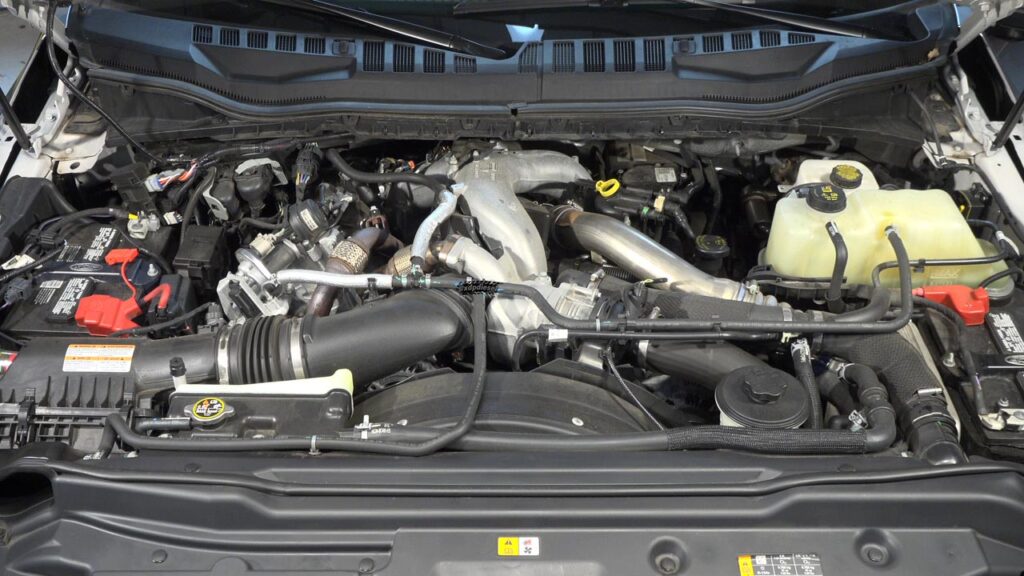
Small airflow restrictions can make this effect more noticeable over time. A quick inspection of the front cooling components and charge‑air system can help restore the performance the engine relies on during summer driving, including:
- Intercooler fins
- Intercooler boots
- Charge‑air piping and connections
- Debris between the intercooler, condenser, and radiator
These issues rarely trigger warning lights, which is why they often go unnoticed until warmer weather makes them more obvious.
The Battery Always Picks the Worst Possible Day to Retire
Cold weather gets most of the blame for battery failures, but extreme temperatures in either direction are hard on batteries. Summer heat slowly weakens them by accelerating internal corrosion and electrolyte loss. In fact, battery manufacturers estimate that sustained exposure to temperatures above about 77 degrees can cut battery life roughly in half for every 15-degree increase.4
By the time summer trips and heavier hauling start picking up again, many batteries are already running on borrowed time. Summer heat does most of the long-term damage to batteries, but cold weather is often when that damage finally shows up as a no-start condition.
Maybe it’s the first weekend you hook up the camper. Maybe it’s restarting after backing down a crowded boat ramp. Maybe it’s the first long trip after the truck sat most of the winter. The engine fired right up all spring, but now it cranks slower than it should after sitting in the heat for twenty minutes.
That’s usually a warning sign that your battery is on its last leg.
Before Summer Driving Check:
- Battery build date (most batteries are designed for roughly 3-5 years of service)
- Terminal corrosion
- Battery cable connections at the terminals and ground points
- Charging voltage with accessories running
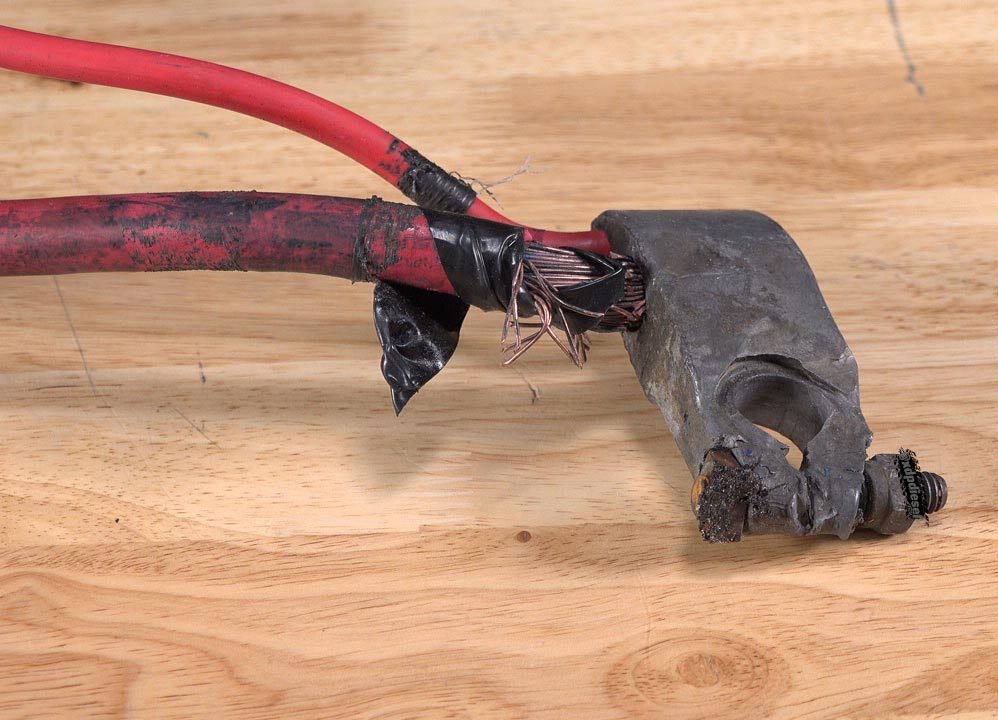
The build date is stamped on the battery case or label, and if the battery is approaching the end of its expected service life, replacing it before towing season begins is often the safest move, especially for trucks that sit though the winter or spend the summer pulling trailers. If you’re unsure about the condition of the battery, a battery tester can quickly confirm whether it still has the reserve capacity needed for reliable starting.
Heat exposure is one of the primary factors affecting battery lifespan in vehicles, but problems often show up when the truck is finally asked to do more than normal daily driving again.
Catching battery weakness early helps avoid one of the most frustrating summer surprises: shutting the truck of at the ramp, the campsite, or the fuel stop and finding it doesn’t want to start again.
Don’t Forget the Belts That Run Everything Under the Hood
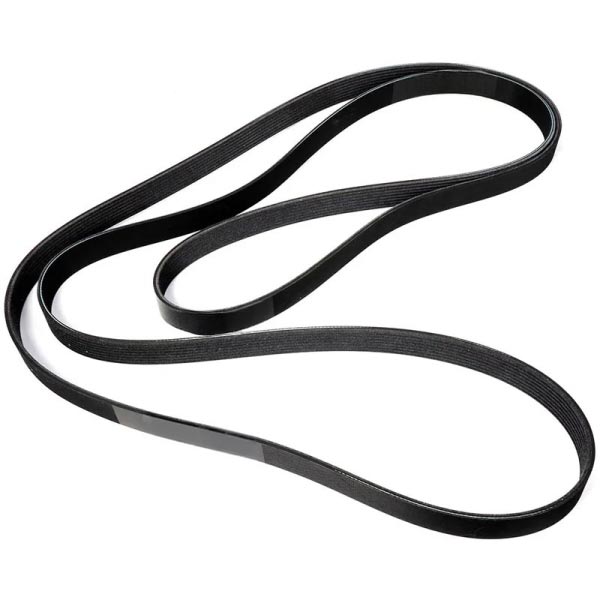
Drive belts are easy to overlook because they usually don’t cause trouble until they do. Through winter and spring they handle moderate loads without complaint, but summer adds continuous demand from the alternator, cooling fan, and especially the A/C compressor, which can place one of the heaviest accessory loads on the belt during hot-weather driving.
Belts don’t typically wear out just because the season changes, but sustained heat and higher accessory loads can expose wear that was already developing. That’s why manufacturers recommend inspecting accessory drive belts at regular service intervals rather than waiting for obvious symptoms to appear.
If your truck is heading into a stretch of heavier summer driving or hauling than usual, it’s a good time to check the belt for:
- Cracking
- Glazing
- Frayed edges
- Squealing during startup or A/C engagement
- Visible rubber deterioration
Coolant hoses deserve the same attention. As temperatures stay elevated for longer stretches of time, aging hoses are more likely to soften, seep, or show early signs of fatigue, especially on trucks that spend more time towing during the summer months.
Following the inspection intervals in your owner’s manual helps catch these issues early and prevents small wear items from turning into roadside problems later in the season.
The First Summer Trip Is Usually When Everything Introduces Itself
Stop-and-go driving creates its own kind of stress, but longer highway trips and extended hot-weather operation place sustained demand on cooling and transmission systems, which is when small weaknesses often become noticeable.
That usually changes once:
- The trailer is hooked up
- The A/C runs continuously
- Outside temperatures stay elevated for hours
Drivers often notice the fan cycling more frequently, shifts feeling slightly different under load, or throttle response softening during extended highway pulls. The temperature gauge may remain steady, but the truck is clearly working harder than it did earlier in the year.
Before the Heat Hits: The 15-Minute Check That Can Save Your Summer
Preparing your diesel truck for sustained summer heat doesn’t require a full afternoon in the garage. A short inspection before temperatures climb can identify most issues early. If winter maintenance hasn’t been addressed yet, start with the basics in our Spring Maintenance Guide before moving on to summer-specific checks.
Start With Airflow:
- Intercooler fins (make sure they’re clean and not packed with bugs, dirt or winter road grime)
- Radiator fins (clean off any buildup that may be restricting airflow; if cooling efficiency has dropped, an upgraded radiator like the XDP X-TRA Cool series can help)
- Condenser surface
Many trucks, especially those used for towing, also have transmission coolers, and in some cases, power steering coolers, mounted in front of the radiator. These should be checked for debris as well, since anything blocking airflow to the front of the cooling stack affects everything behind it. Even if your truck didn’t come equipped with a transmission cooler from the factory, adding one is a common upgrade to help manage transmission temperatures during hot-weather driving or hauling. Some trucks also use a power steering cooler, which should be kept clear of debris to maintain steering performance under load.
Even light debris between these components can reduce cooling efficiency. If airflow is restricted or cooling performance has started to fall off, cleaning the surfaces or upgrading worn components like the radiator or intercooler can help restore proper airflow through the front of the cooling system.
Tools like the Lisle 88800 Radiator Genie Pro make it much easier to clean debris from between the intercooler, condenser, and radiator without removing parts.
Then Check Cooling Components:
- Hose condition
- Coolant age
- Water pump seepage signs (replace your failing water pump with an XDP XTRA Cool water pump)
Soft hoses or overdue coolant service are common early warning signs before summer towing or traffic driving begins. Replacing aging components with silicone coolant hose kits, replacement water pumps, or fresh coolant helps maintain stable operating temperatures during extended hot-weather driving.
Continue With Drivetrain Protection:
- Transmission fluid condition
- Airflow through the transmission cooler (an auxiliary transmission cooler or deep transmission pan can help stabilize temps under load)
Some trucks spend winter driving empty, then go straight back to towing boats, campers, and trailers once summer arrives. Checking transmission fluid condition before those first trips, and adding a transmission cooler or deep transmission pan, helps control temperatures during towing and heavy stop-and-go traffic in hot weather.
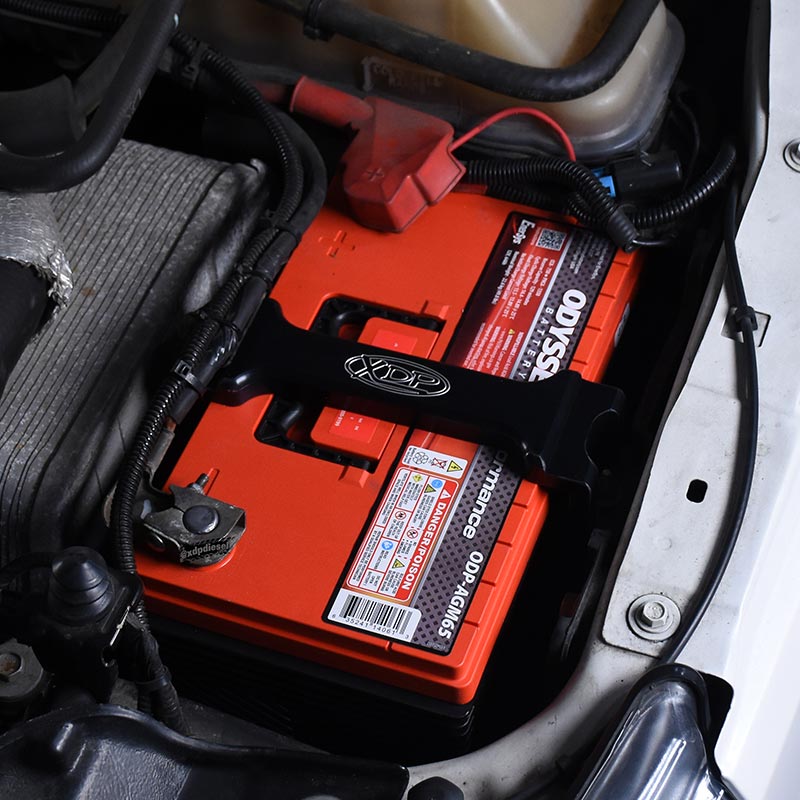
Finish By Checking Starting And Charging System Reliability:
- Battery terminals (corrosion here is a common cause of summer starting issues)
- Cable connections (inspect connections at the terminals and ground points; replacing worn or brittle cables with XDP heavy-duty battery cables can help restore reliable current flow)
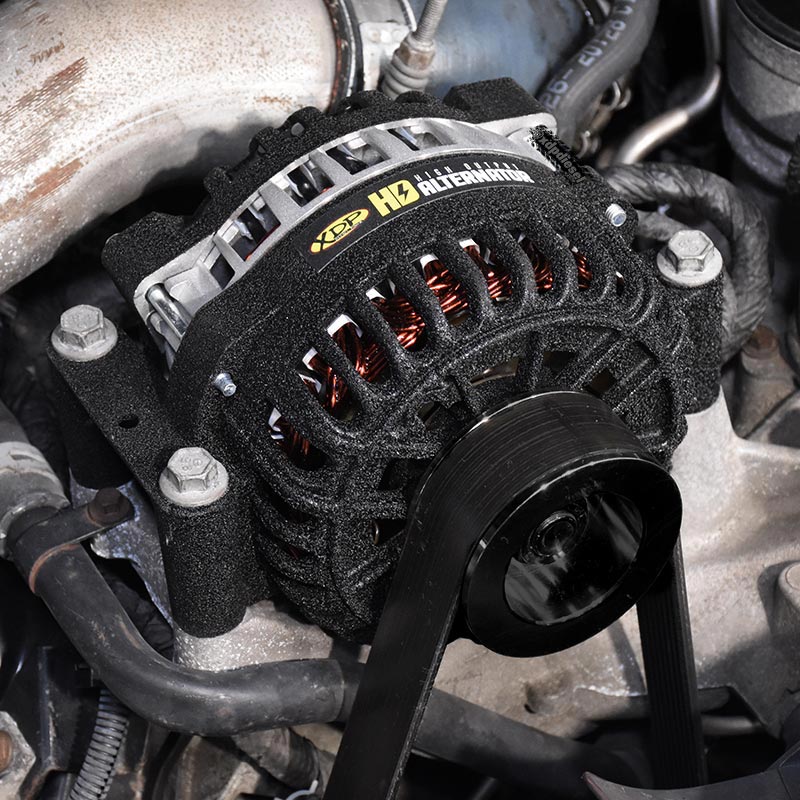
- Charging performance (a higher-output alternator can help support accessory loads during hot-weather driving and towing)
If terminals show corrosion or the truck cranks slower after sitting hot, replacing worn battery cables, upgrading the alternator, or installing a new starter helps prevent one of the most common summer roadside issues.
These small checks help maintain the operating margin your truck depends on once hot weather becomes part of daily driving.
Summer Heat Doesn’t Break Diesel Trucks, It Tests Them.
Most diesel trucks feel perfectly normal right up until the first extended traffic delay with the A/C running or the first long highway pull with a trailer behind them. That’s when reduced airflow, aging hoses, warmer transmission fluid, and aging electrical components begin to matter more than they did during cooler months.
Taking a few minutes to inspect cooling performance, airflow, belts, transmission condition, and battery health before the hottest part of the season arrives helps prevent many of the most common summer reliability issues.
Your truck doesn’t need major changes before summer starts. It just needs a quick check before summer starts checking it.
Sources
1 https://motorvehiclehq.com/clogged-radiator/
2 https://engineoiljournal.com/transmission-fluid-temperature-chart/
3 https://d20zhcxsm1cs5t.cloudfront.net/uploads/documents/Allison-1000-2000-Operators-Manual-OM8471EN_202109.pdf, pg 57
4 https://www.odysseybattery.com/blog/2021/08/23/the-effects-of-heat-on-your-heavy-duty-battery/