
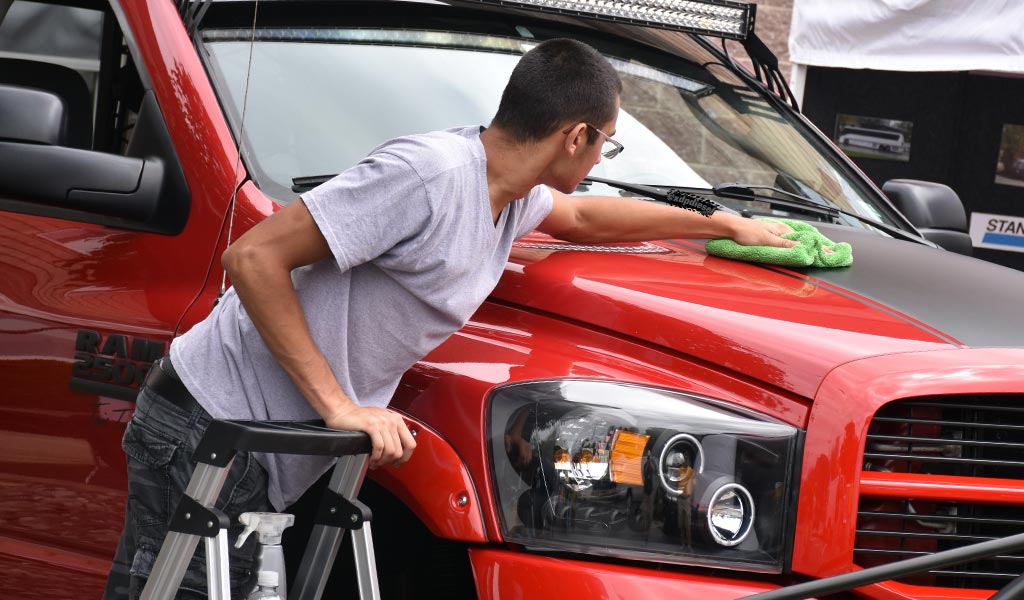
There’s a big difference between owning a diesel truck and showing up in one.
If you’ve ever pulled into a fuel station next to another truck that looks showroom-fresh while yours is wearing three weeks of bugs, pollen, and mystery dust from somewhere between the jobsite and the local agriculture store… you already know the feeling.
Whether you’re headed to a truck show, cruising through town on a Saturday night, or just trying to avoid being “that guy” in the parking lot, detailing your truck thoroughly makes a difference. Not just in appearance, but in pride, protection, and long-term value.
And no, “I ran it through the car wash” does not count.
Let’s walk through some tips and tricks to help you detail your truck and get it ready for the show and summer season.
First Things First: Why Detailing Actually Matters
Sure, a clean truck looks good. That part is obvious.
But detailing does more than make people stare at your paint in admiration while pretending they weren’t.
Regular cleaning helps:
- Protect your paint from oxidation and fading
- Prevent rust from road grime and salt buildup
- Preserve trim, plastics, and rubber seals
- Maintain resale value
- Keep your truck looking newer, longer
A well-maintained truck doesn’t just look better. It represents better.
Regular detailing doesn’t just make your truck look better today, it helps protect its value later. Clean paint, conditioned interior materials, and a well-kept engine bay show that the truck was cared for, not just driven. When it’s time to sell or trade in, that first impression can make a real difference.
And if you’ve already invested thousands into wheels, suspension, lighting, performance upgrades, or engine work, it only makes sense to spend a little time protecting that investment.
We’re not going to tell you exactly which detailing brand to use because truck owners are loyal to cleaning products the same way they are to engine oil brands. Many get heated and passionate about it. For that reason, we’re just going to focus on techniques that keep your truck looking its best.
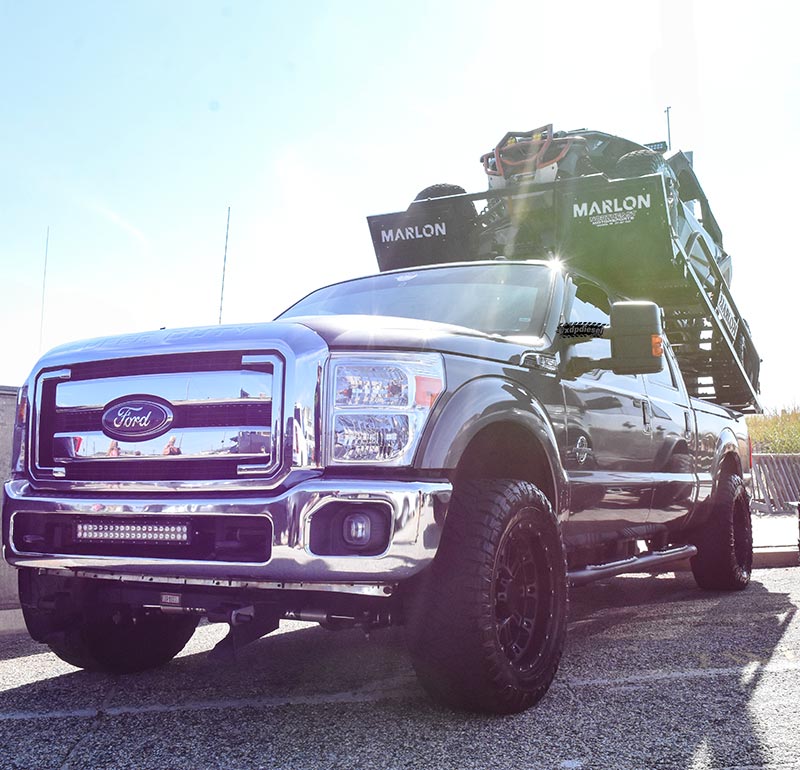
Step 1: Start With a Proper Exterior Wash (Be Wary of the $8 Drive-Thru Special)
Automatic car washes are great if your goal is to keep the top half of your truck slightly cleaner than the bottom half.
For a full detail, start with:
- A quality automotive soap/shampoo
- A microfiber wash mitt (or two)
- A microfiber cloth for dirty areas
- A two-bucket wash setup
- Tire-dressing applicator (or a dedicated rag/towel)
A full detail starts with a structured process.1 Using a dedicated automotive soap removes grime without stripping protective wax layers or damaging clear coat. Start at the top and work your way down.
- Roof
- Windows and pillars
- Hood
- Fenders/doors
- Rocker panels last
If possible, avoid washing your truck in direct sunlight or on a super hot day. Heat causes soap and rinse water to dry faster on the surface, which can leave streaks and mineral water spots before you even get a chance to dry the panel. Working in the shade, or washing one section at a time and rinsing frequently, helps prevent this.
And here’s a pro-level habit many experienced detailers follow: wash horizontally along the body lines instead of up and down2.
Why? Because if a tiny piece of grit gets trapped in your mitt (and eventually it will), horizontal movement helps hide fine scratches within the natural flow of the truck’s paint lines. Vertical swirls catch sunlight more easily and become far more noticeable, especially on darker vehicles. Horizontal washing doesn’t prevent scratches, but it makes them much less noticeable.
Pay special attention to:
- Fender wells
- Rocker panels
- Behind wheels
- Front bumper bug zones
These areas collect the kind of grime that silently ages the look of your truck faster than mileage ever will. Use a separate cloth or rag for the rocker panels and fender wells. This keeps your main wash mitt cleaner.
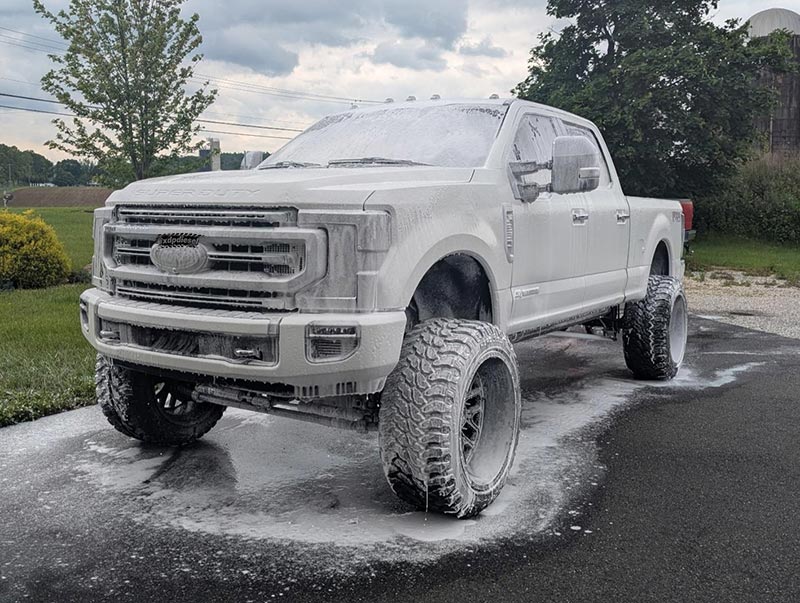
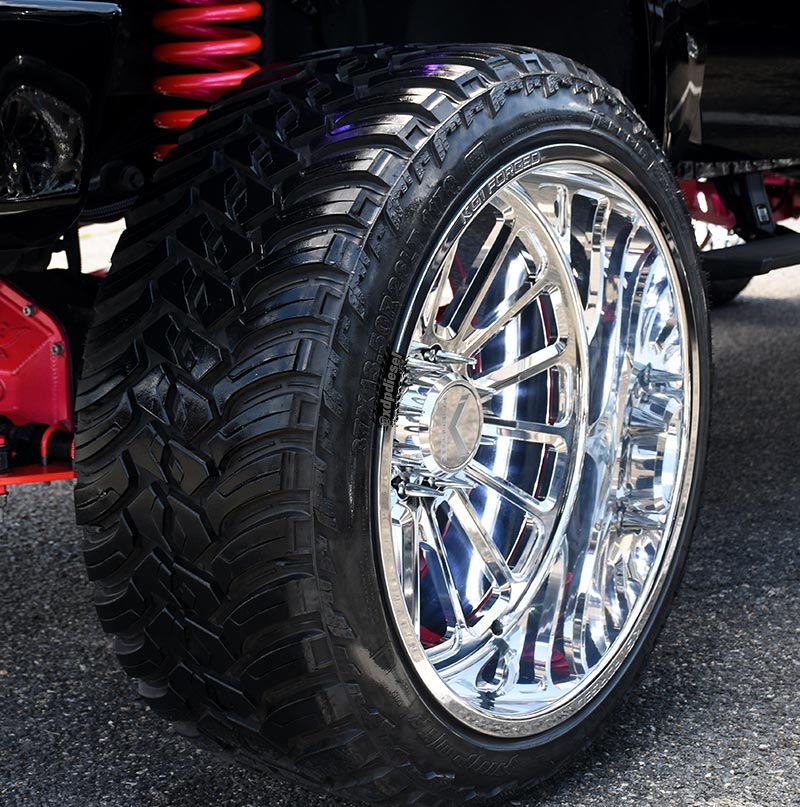
Step 2: Wheels and Tires Deserve More Respect Than They Usually Get
Your wheels are basically the boots of your truck. Ignore them long enough and the whole outfit starts looking rough.
Use a wheel cleaner that’s safe for your specific wheel finish, especially if your truck has polished, aluminum, chrome, or other aftermarket wheels. Brake dust, road grime, and mud don’t just rinse off, they need encouragement.
Follow that with a dedicated tire cleaner and finish with a tire dressing for that deep, clean look instead of the faded gray “I swear I washed it last month” finish.
Clean tires can make everything look cleaner.
Step 3: Decontaminate the Paint (Yes, Even If It Looks Clean)
Here’s the part most people skip: Run your hand lightly across your paint after washing. Feel that rough texture? That’s embedded contamination.
Using a clay bar or synthetic clay mitt removes bonded debris that washing alone can’t touch. It can restore smoothness and prepare the surface for wax or sealant.
This is one of those small differences between a clean truck and a show truck.
Step 4: Protect the Finish With Wax or Sealant
If washing is step one, protection is the step that actually keeps your work from disappearing after the next rainstorm.
Ceramic coatings are great for long-term protection and easier maintenance, especially if you’re serious about keeping your truck spotless. But even a simple wax or sealant is better than leaving your paint to fend for itself against bugs, pollen, and more.
Applying a quality wax (can protect 6-8 weeks) or paint sealant (can last up to 6 months):
- Adds gloss
- Repels water
- Shields against UV damage
- Makes future washes easier
Plus, nothing beats the look of sunlight hitting freshly protected paint on a truck that already sits just right. That shine gets attention whether you admit you like it or not.
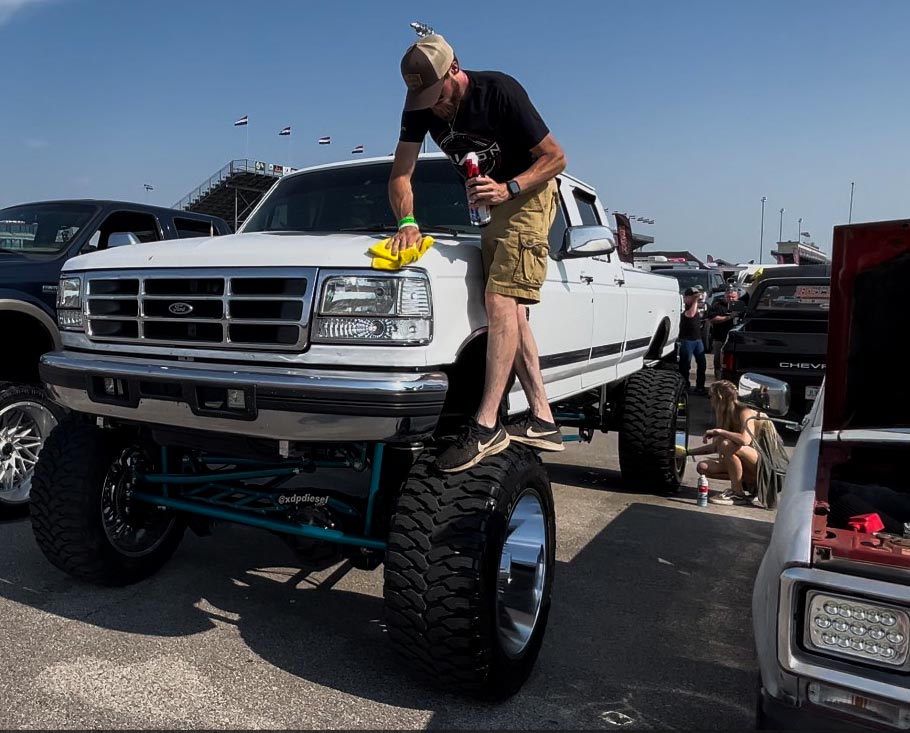
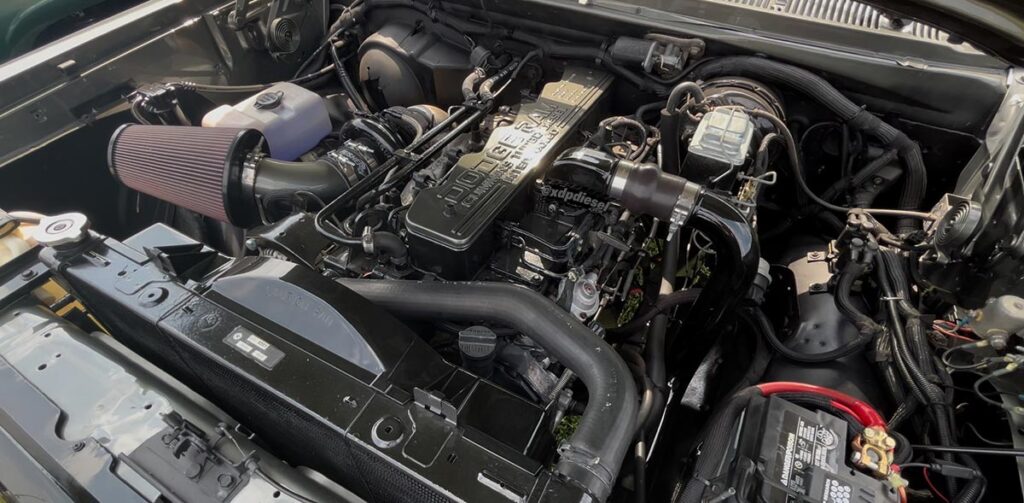
Step 5: Don’t Forget the Engine Bay (Yes, People Look There Too)
Pop the hood at a show and a clean engine bay can make it clear you’ve paid attention to more than just the exterior.
A clean engine bay doesn’t always require hours of work.
Start by using:
- Engine-safe degreaser
- Soft detailing brushes
- Microfiber towels
- Plastic-safe protectant
Focus on removing dust, oil residue, and buildup around hoses and covers. Then apply a light dressing to plastics and rubber for a factory-fresh finish.
There’s a bonus most people don’t think about: when it’s time for maintenance or repairs, working in a clean engine bay is faster, easier, and a whole lot more pleasant than digging through layers of grime.
It doesn’t take long and instantly separates your truck from the “daily driver only” crowd.
Step 6: Interior Detailing Is Where the Real Judgment Happens
A spotless exterior with a messy interior is like wearing brand-new boots with yesterday’s socks.
Start with a full vacuum, including:
- Under seats
- Door pockets
- Center console
- Floor mats
Then move to interior-safe cleaners for:
- Dash surfaces
- Door panels
- Steering wheel
- Touchscreens
- Carpet/flooring
Finish with a UV-protectant interior dressing to prevent cracking and fading over time. If your truck has leather seats, use a dedicated leather cleaner and conditioner as part of your routine. Conditioning helps keep the material flexible and reduces the chances of cracking over time, especially on daily-driven trucks exposed to sun and temperature changes.

Step 7: Glass Is the Final Detail That Makes Everything Pop
Clean glass changes how your entire truck looks. It’s a small step that makes a big difference.
Streak-free windows:
- Improve visibility
- Enhance shine perception
- Complete the detail
Use an automotive glass cleaner and microfiber towels designed specifically for glass to avoid haze and streaking. Automotive glass cleaners are usually safe for tinted windows as well.
For stubborn water spots or etched contaminants, many professional detailers turn to a dedicated automotive glass polish to safely restore clarity and remove buildup without damaging the surface.
Remember, clean your glass last. Inside and out. Overspray from other cleaners can get on the glass and leave residue.
Straight Facts: Clean Vehicles Hold Value Better
Even if you never plan to sell your truck, the condition matters.
Regular detailing protects:
- Paint clarity
- Interior materials
- Trim condition
- Engine presentation
Which means when the time does come to trade, upgrade, or sell, your truck stands out immediately. Buyers can tell the difference between a truck that’s maintained and one that’s just been driven.
What Truck Show Judges (and Other Truck Owners) Notice First
Before anyone asks about horsepower numbers, turbo size, or what’s under the hood, they’re already forming an opinion about your truck.
And here’s the reality: many shows are won or lost on the details people see in the first 30 seconds.
Judges and experienced truck owners usually look at:
- Tire condition and sidewall cleanliness
- Brake dust on wheels
- Water spots on paint or glass
- Residue in door jambs
- Dust in the engine bay
- Interior clutter or worn-looking trim
A clean engine bay says you pay attention. Spotless wheels say you didn’t rush. Dust-free interiors say this isn’t just your transportation; it’s something you take pride in.
Pro-Level Detailing Tricks That Make a Truck Look Show-Ready (Without Spending All Weekend)
Professional detailers don’t just clean trucks better, they clean them smarter. A few small techniques make a huge difference in how finished your truck looks when someone walks up to it.
Here are some of the tricks they use:
Dry with microfiber towels, not air drying
Letting a truck air dry almost guarantees water spots. Many detailers hand-dry panels immediately after rinsing, especially mirrors, glass edges, and door handles.
Before towel drying, many detailers use compressed air or a specialty blower (leaf, backpack) to push trapped water out of emblems, grilles, door handles, mirror housings, and even wheels. This prevents hidden drips from running down the paint after you’ve already finished drying the truck.
Clean the door jambs every time
Judges often notice this fast. A spotless exterior with dirty jambs can give the impression of a rushed detail.
Dress plastics lightly, not shiny
Overly glossy trim looks greasy under sunlight. A satin finish looks newer and more factory-correct.
Turn your wheels when cleaning tires and wheel wells
This exposes hidden areas most people miss and makes the truck look completely finished from every angle.
While you’re there, take a minute to clean the inside of the wheel barrel as well. During deeper details, or even when rotating your tires, washing and applying a light protective layer inside the barrel helps prevent long-term staining from brake dust and road grime. Once the finish inside the barrel starts to deteriorate, it’s permanent, so a little prevention goes a long way.
Use separate towels for paint, wheels, glass, and interior
Pros never cross-contaminate surfaces. Brake dust particles can scratch paint if the same towel gets reused.
Lower the windows slightly to clean the top edge of the glass
This is a commonly missed spot on otherwise clean trucks.
Polish exhaust tips
Even work trucks can look show-ready when the tips aren’t dull or sooty.
Clean around badges and emblems
Use a soft detailing brush. Trapped wax residue loves to hide in the creases and along the edges.
Condition weatherstripping
Door seals fade fast on a daily driven truck, especially if it lives outside instead of in a garage. A quick treatment can make the truck look newer.
Remove tire shine before it dries
After dressing tires, roll the truck forward a few feet and wipe the excess with a towel. If you don’t, it will sling off onto the paint, leaving residue that attracts dirt and dust.
Detail the license plate area
Dust can build up here constantly and most people don’t check it.
Check mirrors from underneath
Mirrors can collect grime on their lower edges.
Check your truck from knee height before calling it done
Walk around once at a lower angle. This reveals streaks, missed mud on rocker panels, and tire sling marks that disappear at standing height.
Finish with a quick interior scent reset
It sounds small, but a neutral, clean-smelling interior reinforces the impression of a well-maintained truck the moment someone opens the door. A neutral or premium deodorizer or air freshener gives the interior a more refined feel than an overpowering artificial pine tree.
These are the kinds of details that separate a freshly washed truck from one that looks truly show-ready.
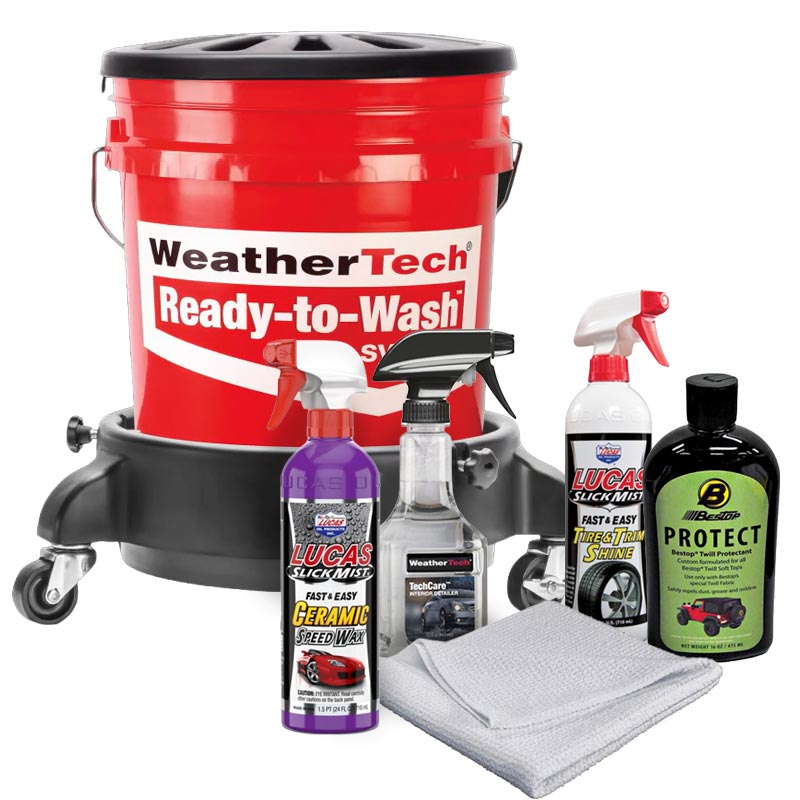
Build a Simple Detailing Kit That Lives in Your Garage (or Truck)
You don’t need a professional shop setup or a full weekend blocked off on your calendar.
Just staying consistent with:
- Regular washes
- Tire cleaning and dressing
- Occasional paint decontamination
- Interior wipe-downs
- Seasonal wax or sealant applications
This can help keep your truck looking like it belongs in a lineup instead of hiding in the back row.
A little effort goes a long way.
Final Thought: A Clean Truck Always Stands Out
A clean truck stands out. It shows attention to detail. Pride of ownership. Respect for the machine you rely on every day.
Whether you’re rolling into a show, pulling into work, or cruising through town on a Friday night, a properly detailed truck turns heads for the right reasons.
And honestly? After everything you’ve put into your build, it deserves it.
Sources:
1 https://www.chemicalguys.com/blogs/exterior-how-tos/detailing-flow-chart
2 “How To Safely Wash Really Dirty Trucks!” / YouTube, uploaded by Chemical Guys, December 3, 2020