
If you’ve spent any time in diesel groups or forums online, you’ve probably seen people talking about lifter issues in 2019-2024 Ram HD trucks equipped with the 6.7L Cummins engine. Some owners have racked up serious miles without a problem, while others have dealt with worn lifters, damaged camshafts, and expensive repairs much earlier than expected.
For many long-time Ram diesel owners, that’s the frustrating part. Earlier generations of the 5.9L and 6.7L trucks earned a reputation for durability measured in hundreds of thousands of miles, which is why newer hydraulic lifter failures have become such a hot topic in the diesel community.
What Changed in the Valvetrain of the 2019-2024 Ram 6.7L Diesel Engine?
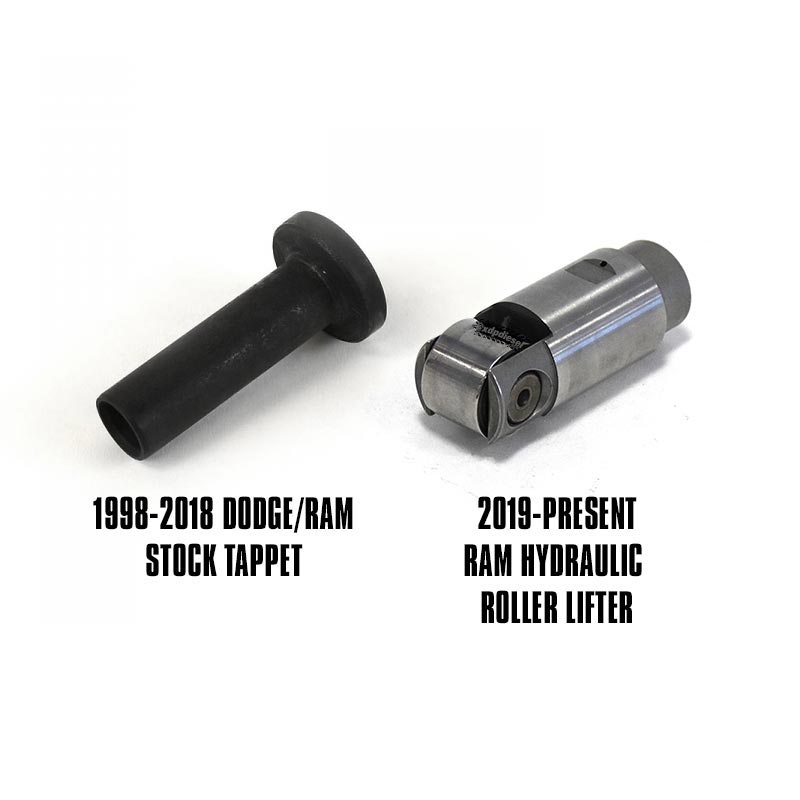
For decades, Ram trucks equipped with the Cummins diesel engine relied on a flat tappet valvetrain design dating all the way back to the early 12-valve engines. From the legendary 5.9L trucks of the 1990s and early 2000’s to later 6.7L models, flat tappets were the standard, delivering simplicity, durability, and proven long-term reliability in heavy-duty diesel applications.
That changed in 2019 when hydraulic roller lifters were introduced in the Ram 6.7L engines. The change to hydraulic roller lifters in 5th generation Ram HD trucks is associated with improved efficiency, reduced valvetrain friction, and quieter operation.2
Unlike flat tappets, which slide directly across the camshaft lobes, hydraulic roller lifters use a small wheel that rolls along the camshaft surface. This reduces friction, helps improve efficiency, lowers drag, and contributes to emissions and fuel economy improvements. Hydraulic lifters also use engine oil pressure to maintain zero valve lash, which can reduce valvetrain noise and lessen the need for periodic adjustment.2
The trade-off for these gains in efficiency and friction reduction is increased valvetrain complexity and sensitivity to operating conditions. Unlike flat tappet designs, hydraulic roller lifters rely on a roller assembly with needle bearings along with an internally pressurized hydraulic plunger. This added complexity improves performance and refinement, but also introduces more potential failure points and places greater dependence on proper lubrication and oil quality.¹
Reported failure patterns often begin when the lifter no longer functions as intended. If the roller stops rotating, often due to internal needle bearing failure, it can begin dragging across the camshaft lobe instead of rolling smoothly, creating friction and heat. Under the high loads found in heavy-duty diesel engines, wear can accelerate quickly once this occurs.2
As damage progresses, the camshaft and lifter can begin wearing each other rapidly, sending metal debris through the engine oil. In more severe cases, this contamination can circulate through the lubrication system and affect other oil-lubricated components, including the engine’s main and connecting rod bearings, and potentially the turbocharger. Left unaddressed, what may start as a faint ticking noise can develop into significant valvetrain damage or more extensive engine issues.2
How Do Oil Quality and Maintenance Affect the 6.7L Lifter Life?
As with any modern valvetrain system, proper oil viscosity, maintenance intervals, oil quality, and running quality filters all play an important role in long-term component life.1,4
From the factory, 2019-2024 Ram 6.7L engines are designed to run on SAE 10W-30 engine oil (meeting modern diesel oil standards such as API CK‑4), with 5W‑40 full synthetic acceptable for severe duty or extreme temperatures.
A Technical Service Bulletin (TSB) from Stellantis underscores the sensitivity of the updated hydraulic valvetrain to oil formulation and viscosity, noting that the requirements differ from those of earlier flat tappet-equipped Cummins engines.
A Technical Service Bulletin from Stellantis warns1:
“15W-40 grade oil CAN NOT be used in any 2019 model year or newer 6.7L equipped vehicles due to the new designed valve train of this engine. If this oil is used, it will cause deposits to form in the Hydraulic Valve Lash Adjusters leading to undesirable noise, and/or engine damage.”
What Are The Signs of Lifter Failure in the 6.7L Engine?
Failing lifters often present several recognizable warning signs before the problem progresses into more serious mechanical damage:
- Ticking Or Tapping Noises From The Valvetrain
- Rough Idle Or Misfires
- Check Engine Lights
- Metal Found In The Oil Filter
- Loss Of Power Or Unusual Engine Noise
Many owners first notice symptoms during cold starts, when oil flow and lubrication are at their lowest. Early warning signs often include a ticking or “typewriter” noise coming from the top of the engine.2
If the valvetrain develops a sudden, pronounced mechanical noise, the issue should be inspected promptly.
Not every engine will experience these issues, but enough owners have reported similar symptoms that preventative upgrades are becoming more common.
What Happens If You Keep Driving With a Bad Lifter In a Ram with a 6.7L Cummins Engine?
Most symptoms start small before progressing into more serious mechanical damage. As the camshaft lobes and lifters continue to wear, valve lift can be affected, leading to rough running conditions, misfires, power loss, and abnormal engine operation.2
If the failure progresses far enough, broken lifter components and metal debris can circulate throughout the engine oiling system. In severe cases, the damage can escalate to the point where a complete engine replacement may be required, often costing tens of thousands of dollars if the truck is no longer under warranty.2
What Are the Best Fixes for Trucks with 6.7L Cummins Engine Lifter Failure?
When repairs are needed, many diesel owners start looking at upgraded valvetrain components instead of simply replacing factory parts.
Should You Convert a 6.7L Engine to Flat Tappets?
One popular option is a flat tappet conversion using components from Hamilton Cams Flat Tappet Conversion Kit 07-CC-24V19+ for 2019-2024 RAM trucks equipped with the 6.7L Cummins engine. This conversion replaces the newer hydraulic roller setup with a more traditional flat tappet valvetrain design similar to earlier trucks.
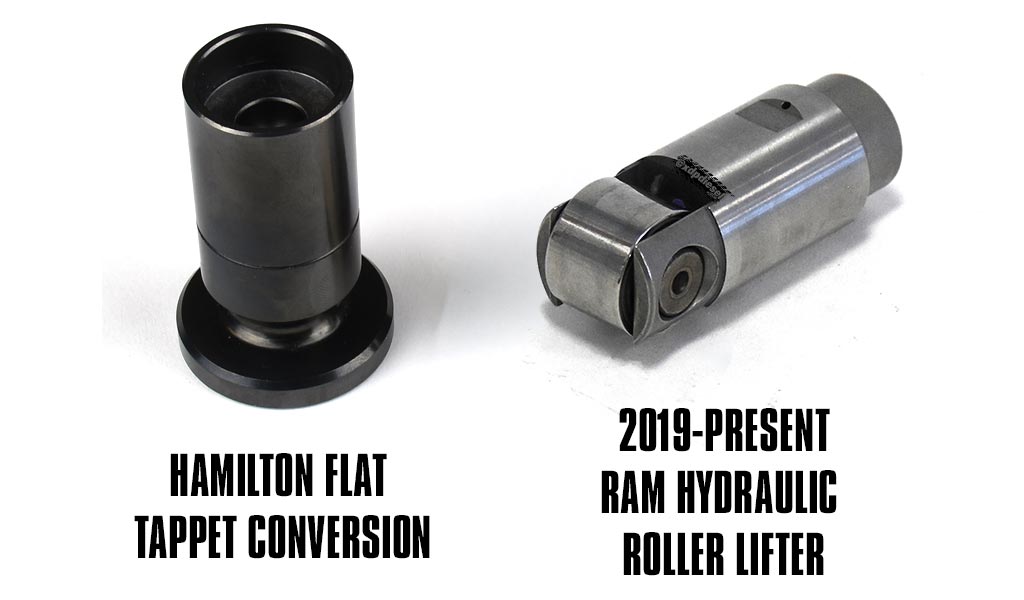
Unlike the factory hydraulic roller setup, flat tappet systems eliminate the roller bearing assembly entirely, reducing the number of moving components in the valvetrain. Rather than reusing or modifying the factory hydraulic lifters, these kits use purpose-built flat tappet lifters designed specifically for the later 6.7L block.
Hamilton’s lifters are engineered with a larger contact face and are designed to properly fit the existing lifter bores, allowing the engine to be converted to a flat tappet design without modifying the block itself. This makes the conversion a dedicated, engineered solution rather than an adaptation of the original hydraulic components.
For many owners, the appeal comes down to simplicity, long-term serviceability, and proven durability. Earlier generations used flat tappet valvetrains for decades, earning a reputation for reliability. However, flat tappet designs do introduce higher sliding contact and require proper lubrication and break-in procedures to ensure long-term performance.
Flat tappet conversions have become especially popular among owners already performing major valvetrain repairs, since much of the engine disassembly required for the repair is already being completed.
Can You Fix 6.7L Lifter Problems Without Switching to Flat Tappets?
Not every owner wants to move away from the factory roller lifter architecture entirely. Some prefer to retain the later-model valvetrain layout, specifically the roller camshaft and lifter design, while addressing known durability concerns through internal component changes and supporting hardware upgrades.
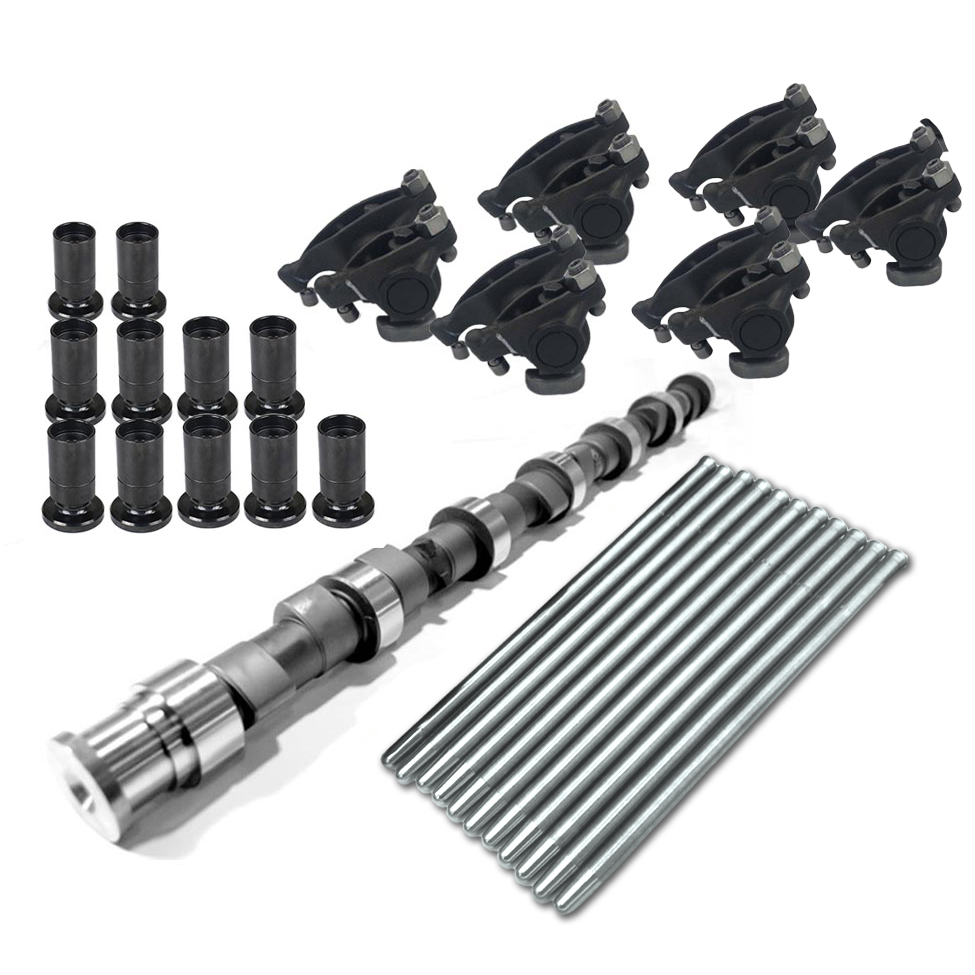
That’s where the Wagler Hydraulic Lifter Conversion Spacer Kit comes into play. Rather than maintaining hydraulic operation, this system modifies the factory lifters by installing a precision-machined solid spacer inside the lifter body. This eliminates the hydraulic plunger function and effectively converts the lifter into a solid unit while still utilizing the OEM lifter housing.³
Because hydraulic function is removed, valve lash is no longer self-adjusting. The kit compensates for this by incorporating pushrods and adjustable rocker arms, allowing lash to be set mechanically.³ This change improves valvetrain stability and control under higher load and RPM conditions, where hydraulic lifters are more prone to inconsistency or failure.³
One key advantage of this approach is that it allows the engine to retain the factory roller camshaft and overall valvetrain geometry, avoiding the need to convert to an earlier flat tappet design.³ At the same time, it addresses common hydraulic lifter issues by removing the internal hydraulic mechanism entirely in favor of a fixed, mechanically controlled setup.
However, because the lifters are located deep within the engine block, installation remains labor-intensive and may require specialty tools or partial engine disassembly depending on access.³
For many diesel owners, the decision ultimately comes down to application and maintenance philosophy. Both flat tappet conversions and spacer-based solid lifter kits introduce manually adjusted valve lash, but they differ in approach. Flat tappet setups offer a simpler, fully mechanical valvetrain, while spacer-based solid conversions retain the factory roller architecture, trading hydraulic function for improved durability and greater valvetrain control.
Why Is Replacing a Camshaft in a Ram with the 6.7L Cummins Engine So Labor-Intensive?
When the repair involves removing or replacing the camshaft, the job in a 6.7L Cummins-powered Ram truck is not a quick afternoon project.
Part of what makes these repairs so involved comes down to the heavy-duty inline six design of the engine. While the Cummins is generally more accessible to work on than some V8 diesel platforms, its overall length creates unique challenges during valvetrain service.
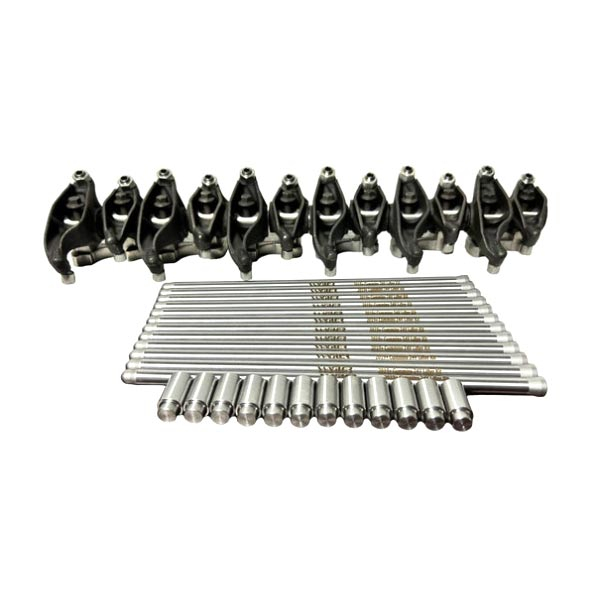
Like most pushrod diesel engines, the camshaft spans the full length of the engine block and extends slightly out of the front and cannot be removed from the top or rear: it must be carefully slid out through the front of the engine. As a result, gaining access typically requires tearing down much of the front of the engine and front of the truck, including removal of the grille, radiator, intercooler, front cover, accessory drive, harmonic balancer, cooling components, and other front-end hardware.
Many repairs are performed in-frame, but the process remains labor-intensive because the lifters must be secured before the camshaft can be removed. In this pushrod valvetrain design, the lifters sit deep within bores in the engine block directly above the camshaft, creating one of the biggest challenges during a camshaft swap.
Before the camshaft can be removed, the lifters have to be raised and held in place inside their bores. If even one lifter drops back down into the block during the process, it will typically end up in the crankcase or oil pan. At that point, retrieval and repair require engine removal in most cases.
Technicians commonly use magnets to hold the lifters in the raised position while sliding the camshaft out of the block, but this process can be time-consuming and carries some risk. This is where specialty tools become especially valuable.
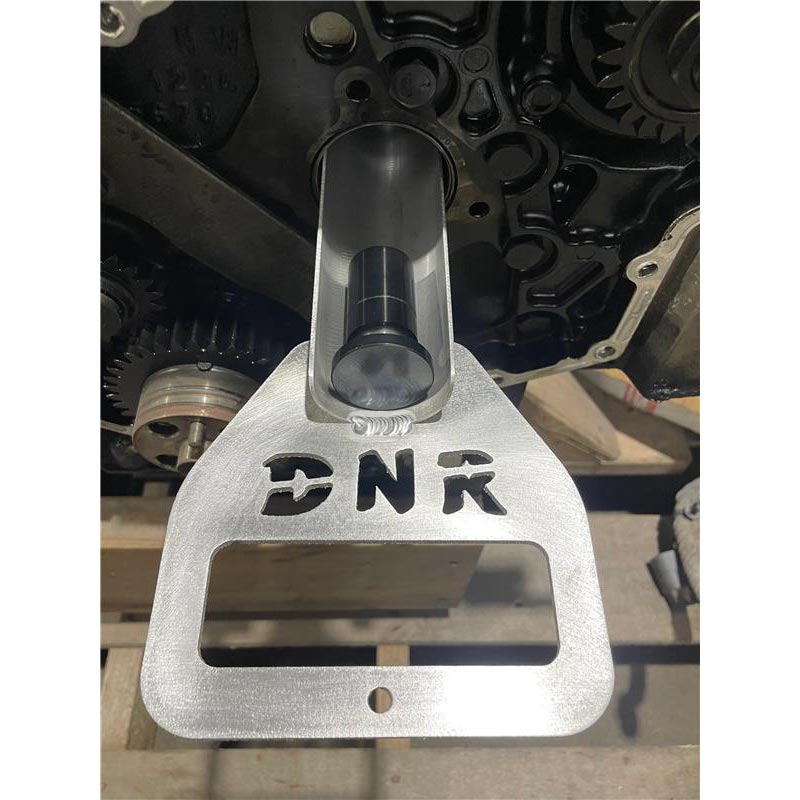
The DNR Customs Cam Removal Tray is designed to slide into place during camshaft removal, helping support and capture the lifters once they’re raised. With the tray installed, the lifters can be removed using magnets, reducing the risk of them dropping back into the engine during the process.
Are the Ram 6.7L Diesel Lifters A Ticking Time Bomb?
So, are the lifters in these engines really a ticking time bomb? The answer isn’t a simple yes or no.
While widespread failures are not guaranteed, the updated hydraulic valvetrain found in 2019-2024 Ram engines has proven to be more sensitive to factors like oil viscosity, lubrication quality, and maintenance practices. When issues do occur, they can lead to significant damage, including camshaft wear and costly repairs.
For most owners, the key takeaway is awareness, not alarm. Using the correct oil, staying on top of maintenance, and addressing early warning signs like ticking or valvetrain noise can go a long way toward preventing problems.
For those pushing their trucks harder or looking for added peace of mind, aftermarket solutions like upgraded lifters or conversion kits offer additional durability beyond the factory design.
What This Means for 6.7L Ram Owners
Not every 2019-2024 Ram truck equipped with the 6.7L Cummins engine will experience lifter problems, and plenty continue running strong with high mileage. But understanding how the system works, and where the weaknesses can lie, puts owners in a much better position to respond if issues show up.
Paying attention to oil viscosity, sticking to proper service intervals, and recognizing early warning signs can help prevent minor valvetrain concerns from turning into major repairs. For those looking to take a more proactive approach, periodic oil analysis, where a small sample is sent to a lab for testing, can provide valuable insight into what’s happening inside the engine, helping detect issues like excessive wear metals or fuel dilution before they become serious problems.
And if you’re already diving into a camshaft or lifter service on your Ram truck, having the right parts and specialty tools on hand can make a complex job far more manageable and reduce the risk of costly mistakes.
Sources
1 Stellantis Technical Service Bulletin 09-013-23 (Filed with NHTSA)
https://static.nhtsa.gov/odi/tsbs/2023/MC-10242795-9999.pdf
2 https://www.drivingline.com/articles/avoid-the-dreaded-25-000-cummins-engine-replacement-in-your-19plus-ram-heavy-duty/
3 https://waglercompetition.com/shop/wagler-2019-67l-cummins-hydraulic-lifter-conversion-spacer-kit/
4 https://cdn.dealereprocess.org/cdn/servlet/servlet.FileDownload?file=00P3d00000mUgA7EAK