
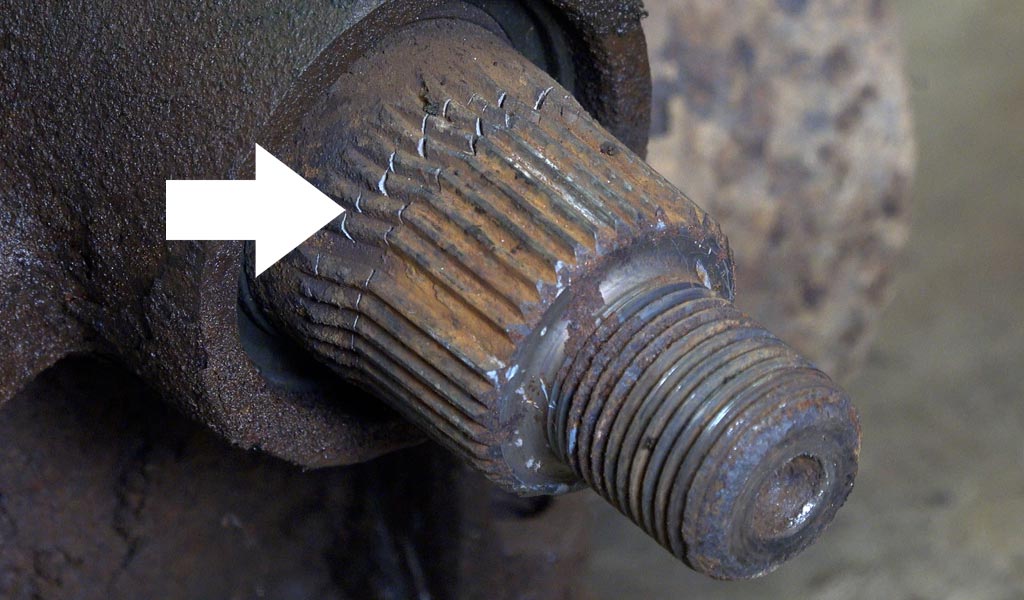
Loose steering doesn’t usually happen all at once. Over time, normal wear and use can gradually change how your truck feels behind the wheel. You may start noticing more steering wheel play, slower response, or the need to make more corrections to keep the truck headed where you want.
The steering gearbox, also commonly called a steering gear or steering box, can be one reason for that change. Excessive steering wheel play, delayed response, power steering fluid leaks, and steering that feels tight or inconsistent can all point to wear inside the gear.
So, how do you know when the steering box is actually the problem? Let’s look at what it does, the signs of wear, and why the quality of the replacement matters.
What Does A Steering Gear Actually Do?
You turn the steering wheel, the wheels turn. Simple enough, right?
There’s obviously a little more happening underneath.
On trucks equipped with a traditional steering gearbox, the steering wheel is connected to a steering shaft that transfers your input to the steering gear. Inside the box, that rotational input is converted into movement at the sector shaft and pitman arm. From there, the steering linkage transfers that movement to the wheels.
Power steering makes the process considerably easier by using hydraulic pressure to assist your steering input. That’s especially important on a diesel pickup, where you’re dealing with plenty of weight over the front axle, and potentially a set of oversized tires making the steering system work even harder.
As parts inside the steering gear wear, clearances can increase. Eventually, you may notice a delay between what you’re doing with the steering wheel and what the front wheels are actually doing.
And that’s when your truck starts to require a few more corrections than it used to.
How To Tell If Your Steering Box Is Going Bad
A steering gear usually doesn’t go from perfect to worn out overnight. Wear tends to develop gradually, which means you may get used to compensating for it before realizing how much the steering has changed.
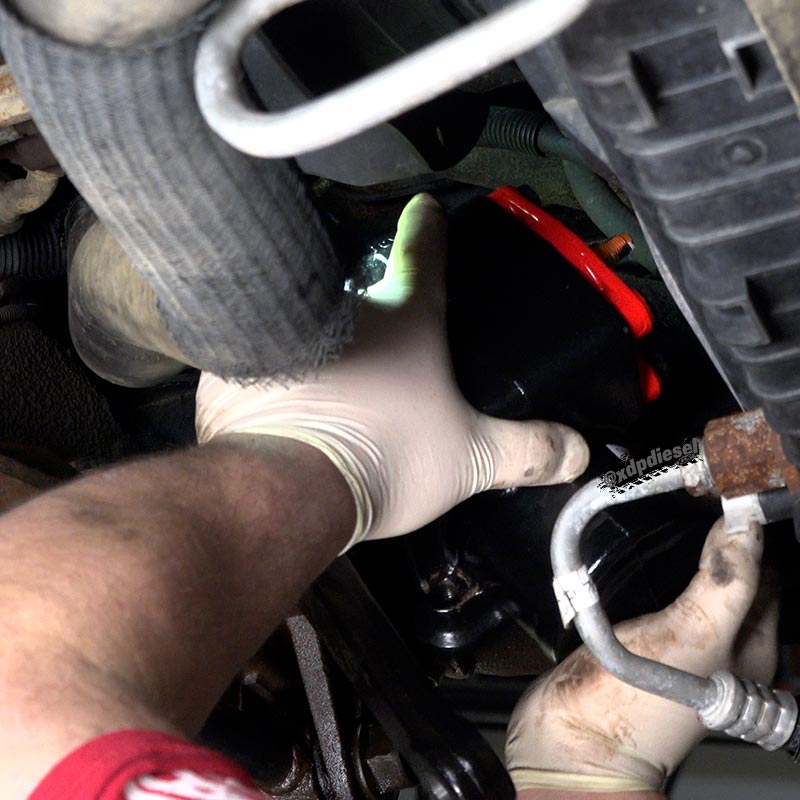
Other worn steering or suspension parts can cause some of the same symptoms, so make sure the problem has been traced back to the steering gear before replacing it. RedHead recommends checking for play directly at the steering gear to help determine whether the unwanted movement is actually coming from inside the box.1
Once the problem has been narrowed down to the box, these are some of the signs worth paying attention to.
There’s Too Much Play in the Steering Wheel
Excessive steering wheel play is one of the most noticeable signs of a worn steering gear. You may be able to move the wheel back and forth without getting an immediate response from the truck.
On the road, that can feel like you’re constantly making small corrections, especially at highway speeds. The truck may still go where you point it, but it’ll take a little more work to keep it there.
Your Steering Doesn’t Respond Right Away
A worn steering gear can develop extra movement between the input and output sides of the box.
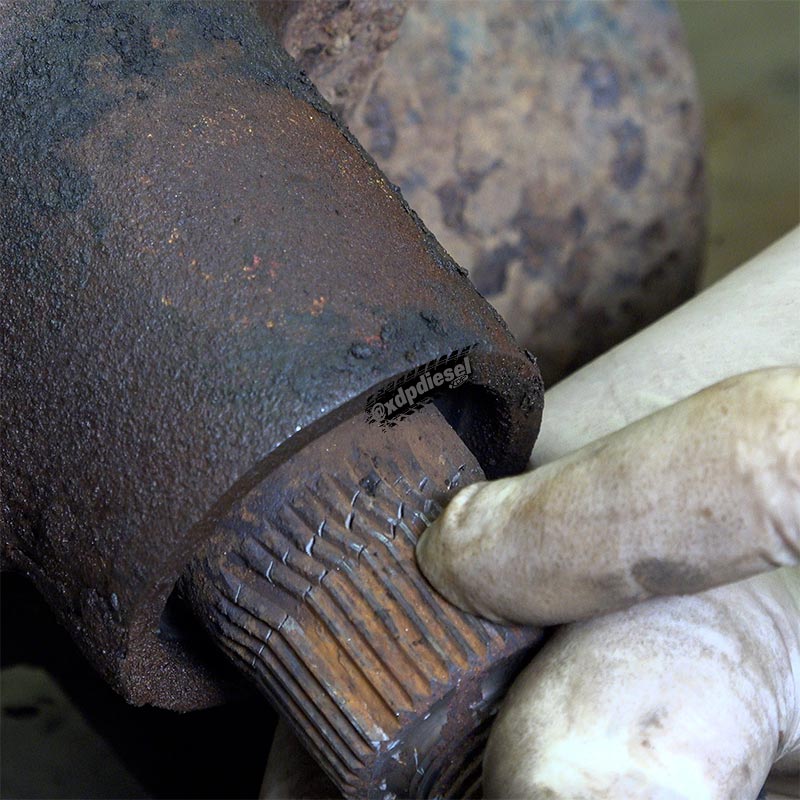
That means you turn the steering wheel, but the sector shaft and pitman arm don’t respond as quickly as they should. RedHead’s own play-check procedure focuses on determining whether movement exists between the input shaft and sector shaft, which can help isolate play inside the box.1
If the steering wheel moves but the steering gear doesn’t immediately transfer that movement through the system, internal wear deserves a closer look.
The Steering Gear Is Leaking
Power steering fluid on the outside of the steering box is another reason to investigate.
Leaks can develop around seals as the steering gear ages. A little old grime on the housing isn’t necessarily a crisis, but fresh or recurring fluid is different.
Hydraulic power steering systems rely on power steering fluid to do their job. Keeping the fluid at the proper level and using the right type for your truck helps keep everything working as it should. Running low on fluid can affect steering performance and potentially damage other components in the system.
The Steering Feels Tight, Jerky, or Inconsistent
A worn steering box doesn’t always feel loose.
Binding, tight spots, or inconsistent steering effort can also indicate a problem. If the steering feels noticeably different at certain points as you turn the wheel, the gear should be inspected.
And if the steering suddenly becomes difficult to control or behaves unpredictably, don’t keep driving around hoping it’ll work itself out. Steering isn’t exactly the system where you want to test the “maybe it’ll be fine” theory.
Why Do Steering Gears Wear Out
Steering gears don’t have an easy job.
Over thousands of miles the parts inside the box are subjected to constant movement and load. Normal wear can gradually increase clearances between those components, which can eventually show up as excess play or delayed response.
How the truck is used can add even more stress. Larger and heavier wheel and tire combinations can increase the load placed on steering components, while off-road driving and poor road conditions can expose the system to repeated impacts.
A steering gear with a lot of miles on it isn’t automatically bad, either. Some last an impressively long time. What matters is the condition of the gear and how the steering is behaving.
So Your Steering Gear is Worn. Now What?
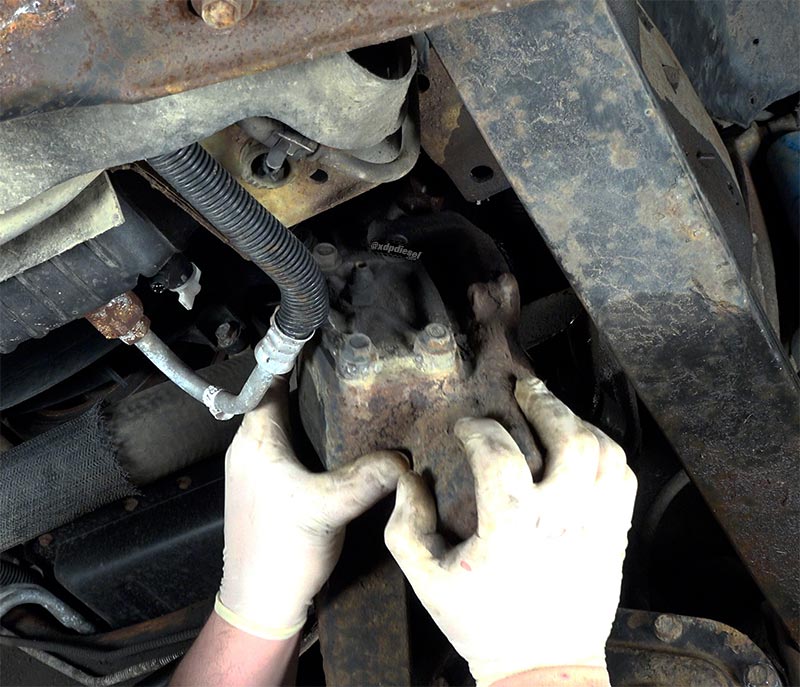
Once you’ve traced excessive play, a power steering leak, or another steering problem back to the steering gear, it’s time to start looking at replacement options.
On a hard-working diesel pickup, replacing a worn steering gear can help restore the tighter, more predictable steering response you expect behind the wheel.
But not all replacement steering gears are built the same.
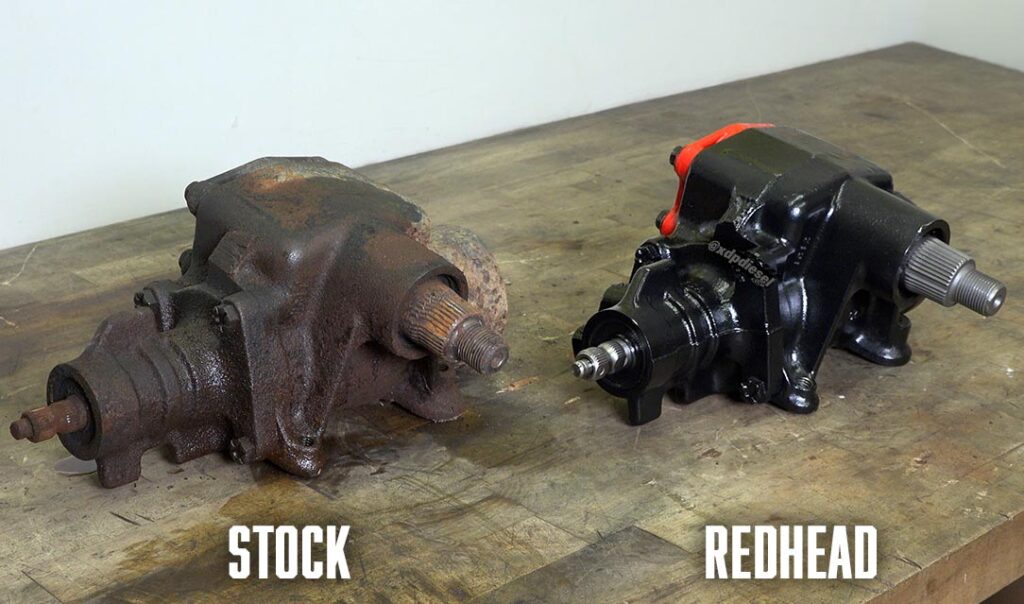
The condition and fit of the gears and other parts inside the steering box have a direct effect on how it performs. That’s particularly important with a remanufactured steering box because the quality of the remanufacturing process determines what gets inspected, machined, repaired, replaced, and reused.
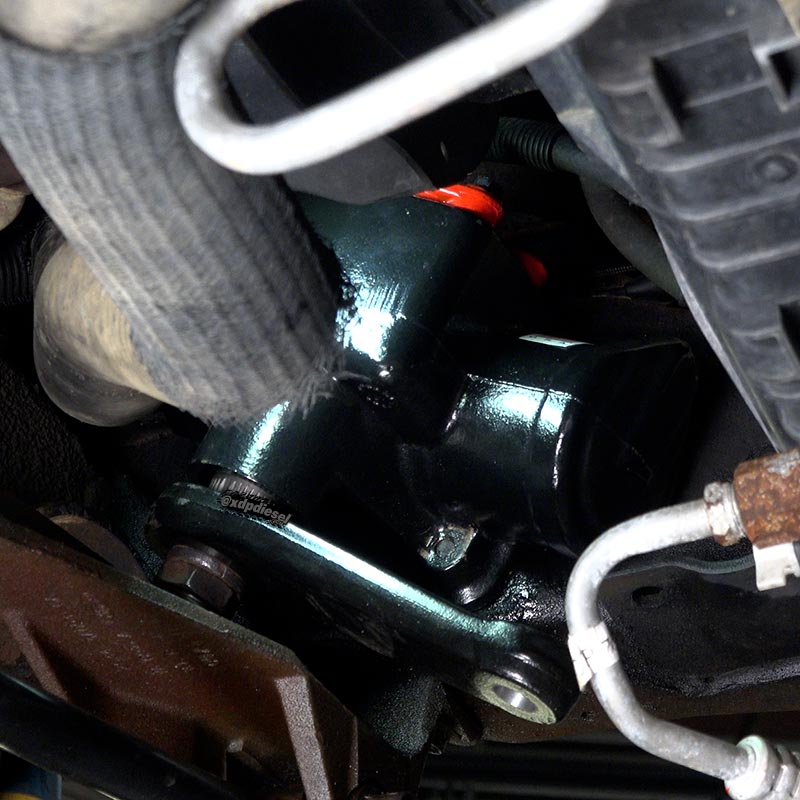
That’s where RedHead Steering Gears takes a different approach.
What Makes a RedHead Steering Gear Different?
RedHead has specialized in rebuilding and remanufacturing steering gearboxes for decades. Its process goes beyond replacing basic wear items and putting the box back together.
Depending on the application, RedHead machines steering gear housings to accept needle bearings. Some original Ford and Chrysler housings were manufactured without bushings or bearings in these areas, so RedHead rebores those units and installs needle bearings.2
The sector shaft is checked on a lathe to make sure it is straight and true, while sealing surfaces are polished and worn shafts are repaired or replaced as needed. New control valves are also installed on some applications.2
Another important step happens inside the worm-and-piston assembly, part of the mechanism that transfers steering input through the gear. RedHead custom fits each assembly using new precision-fit steel balls to compensate for variations in the original machining tolerances that can contribute to play inside the steering gear.2
Those details matter because the quality of the remanufacturing process can have a direct impact on the fit and condition of the components inside the steering gear.
Get the Slop Out of Your Steering
A truck with excessive steering play, delayed response, leaks, or inconsistent steering can be telling you the steering gear has seen better days.
Once you’ve confirmed the box is the source of the problem, replacing it can help bring back the tighter, more predictable steering response your truck should have whether it’s a daily driver, tow rig, work truck, or a little bit of all three.
When it’s time for a replacement, XDP offers RedHead Steering Gears for a variety of Ford F250/350, Chevy/GMC, Silverado/Sierra, and Dodge Ram trucks. With RedHead’s detailed remanufacturing process and focus on addressing common wear points, you can replace that worn steering gear with one built to help restore the tight, responsive steering your truck had when it was new.

Sources
1 https://redheadsteeringgears.com/faq
2 https://redheadsteeringgears.com/aboutprocess