
If you think extreme cold only catches unprepared drivers off guard, think again.
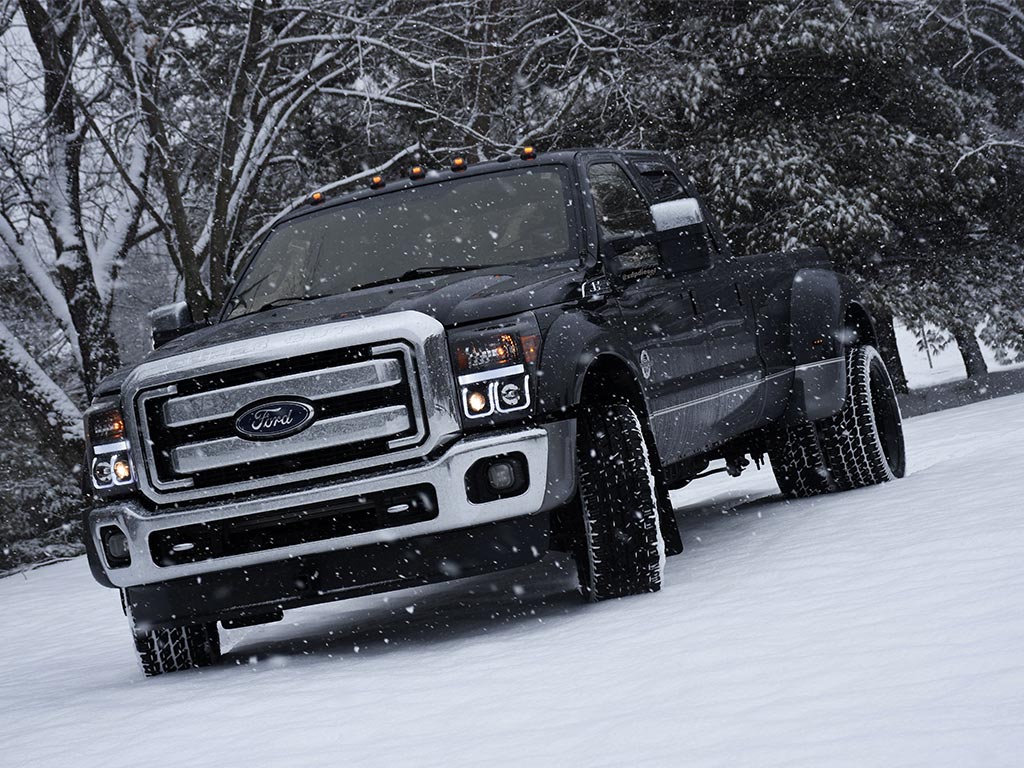
During the recent extreme cold snap felt across the country, several XDP team members ran into cold-weather diesel issues firsthand. And these are people who live and breathe diesel trucks every day. It can come down to being in a rush or not paying attention to the latest weather reports; that’s all it takes for cold weather to catch you off guard. We’re all human. If it can happen to us, it can happen to you. Here’s what happened with a few of our team members.
One employee shared his experience of walking out on a 4°F morning, turning the key, and realizing the truck wasn’t going anywhere. The engine would crank and try to fire, but wouldn’t stay running, classic signs of gelled fuel. No additives had been used, the truck hadn’t been plugged in overnight, and the fuel tank was under a quarter full: all factors that can make cold-weather starting much more difficult.
Another team member got home late, parked his Volkswagen TDI in front of the garage door on a low tank of fuel, and went inside. By morning, the diesel fuel gelled and it wouldn’t start. His Super Duty was safely tucked into the garage, but with only one person and an icy driveway, he couldn’t move the VW out of the way to get the truck out. Even at XDP, we’re not immune to vehicle trouble, and that made for an amusing call to the boss that morning.
In the deep South, where prolonged freezes aren’t common, cold weather can cause problems fast. One of our team members in southwest Louisiana was caught off guard by the sudden temperature drop. The truck was parked outside with no winter prep. The result? A no-start condition caused by weak batteries and worn glow plugs exposed by the extreme cold.
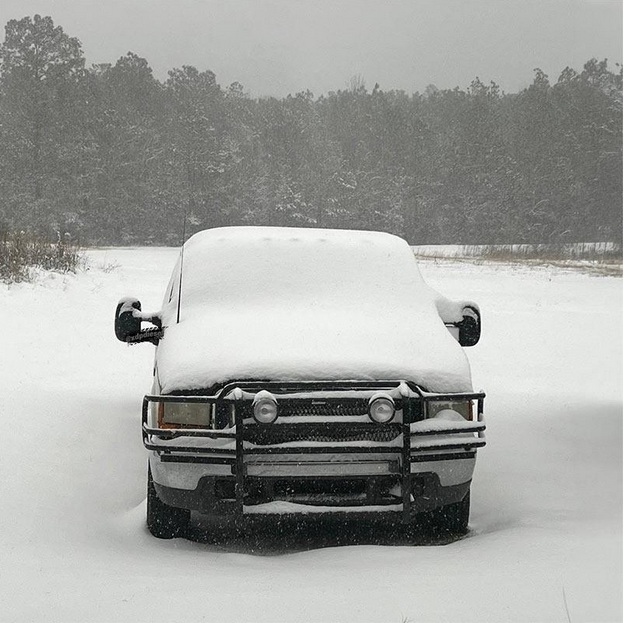
Different trucks. Different climates. Same lesson.
Extreme cold exposes weak points quickly. Fuel systems, batteries, glow plugs, and maintenance habits all get tested when temperatures drop into the single digits.
The good news? Most cold-weather issues are preventable with a little preparation.
Here’s what to check, and what to do, before the next cold front rolls in.
Side note: We’ve also covered cold-weather diesel prep in previous winter guides, including winter driving tips and diesel maintenance advice for colder climates. If you’re looking for a complete winter prep routine, check those out here:
Top Tips for Driving this Winter
Battery Health Matters More Than You Think
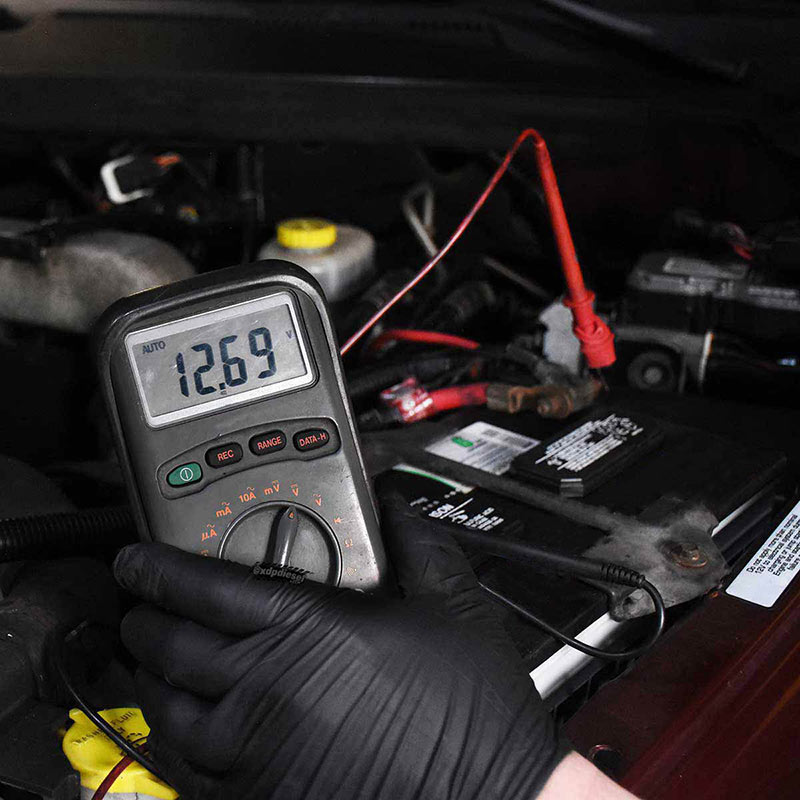
Cold temperatures reduce battery performance significantly. At 0°F, even a healthy battery can lose up to 50% of its available capacity compared to warmer conditions. 1 If your batteries are already marginal, extreme cold will expose it fast.
What To Check:
- Test voltage and cold cranking amps (CCA) with a battery tester
- Inspect terminals for corrosion
- Verify cables are tight and secure
- Replace aging batteries proactively. Most batteries have a manufacturing date on a sticker or stamped into the case, which can let you know how old it is.
Most 3/4 and 1-ton diesel pickups have dual batteries, so both batteries should be tested. One weak battery can strain the entire system.
If you live in colder climates or park outside, upgrading to high-quality batteries or keeping a charger on hand can make winter starts far less stressful.
Use Your Block Heater
If your truck has a factory block heater, use it, especially if temperatures are dropping into the teens or lower.
Block heaters help:
- Warm engine coolant
- Improve oil flow during cold starts
- Reduce strain on starters and batteries
- Improve cold-start drivability
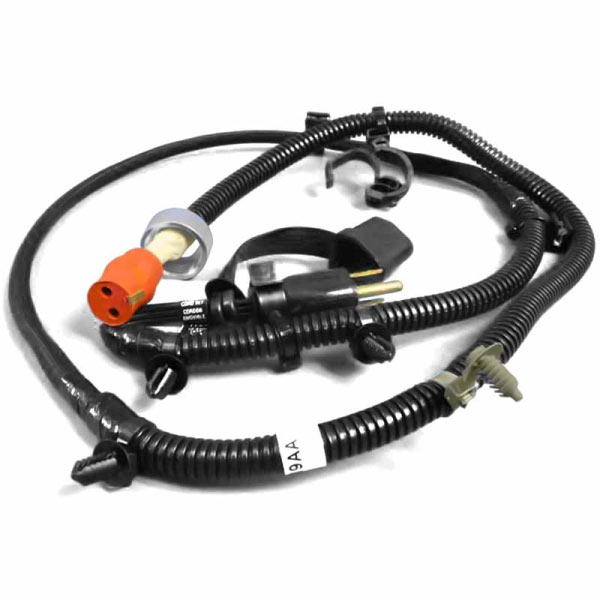
Plugging in a few hours before startup, or overnight, can make a noticeable difference. If your truck is equipped with a factory block heater, make sure it’s working properly and that the power cord is accessible before cold weather sets in. If not, block heaters and cords are available to improve cold-weather starting.
Prevent Diesel Fuel Gelling
Diesel fuel contains paraffin wax. As temperatures drop, that wax can begin to crystallize, thickening the fuel. 2 If temperatures fall far enough, fuel can gel and clog the fuel filter, one of the most common cold-weather diesel problems.
Preventative Steps:
- Use a quality anti-gel additive before temps drop
- Replace fuel filters before winter if service intervals are close
Fuel additives work best when added before fuel begins to gel, not after. Keeping the tank full also reduces condensation and helps stabilize fuel temperatures overnight.
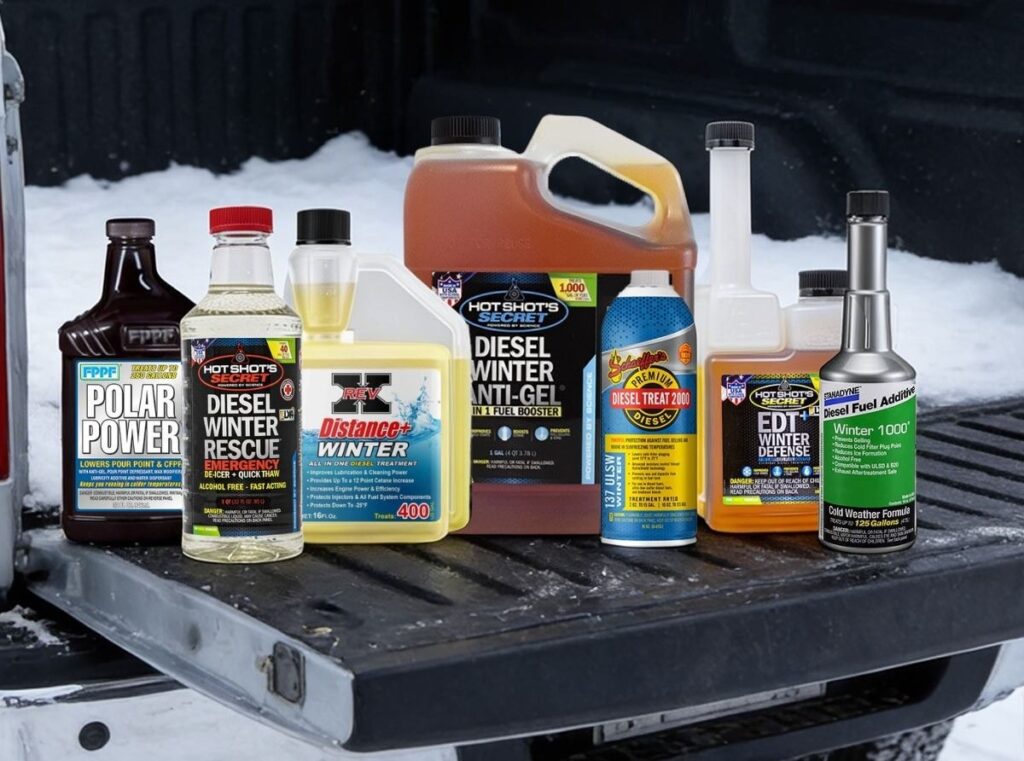
Inspect Your Fuel Filters
Cold weather and moisture can accelerate filter restriction. And once fuel starts to gel, filters are often the first place it shows up.
If your truck:
- Cranks but won’t start
- Starts and stalls
- Feels down on power in cold temps
A restricted fuel filter could be the culprit.
Replacing fuel filters before winter is inexpensive insurance. And if you do experience gelling, replacing the filter after thawing is recommended.
It’s also smart to keep a spare set of fuel filters on hand during the winter season. If fuel gels, filters can clog quickly, and many modern diesel applications use filters that aren’t always easy to find locally. Having replacements ready can make a big difference when temperatures drop. Even if your fuel never gels, you know you’ll use the filters anyway.
Check Your Engine Oil
Engine oil thickens in cold weather. Running the proper viscosity for winter conditions helps maintain lubrication during startup and reduces wear during cold starts.
Consult your owner’s manual for recommended cold-weather oil weights. In many applications, switching to a lower winter viscosity can improve cold-start performance.
Many synthetic oil manufacturers note improved performance in extreme temperatures compared to conventional oils, particularly when it comes to cold start flow and lubrication stability. 4
Don’t Forget Glow Plugs or Grid Heaters
Glow plugs and intake air heaters play a critical role in cold-weather starting. Powerstroke and Duramax drivers rely on glow plugs, while trucks equipped with 5.9L and 6.7L Cummins engines use air intake heater grid systems (for the 2025 model year the Ram 6.7L Cummins engine switched to glow plugs).
Worn or failing cold-start components may not cause issues in mild weather, but when temperatures drop, they can lead to hard starts or complete no-start conditions.
If your truck has:
- Slow cold starts
- Excessive white smoke on startup
- High mileage with original glow plugs
It’s worth making sure these components are in good working order before winter. Staying current with recommended service intervals and addressing faults early can help avoid cold-weather starting issues. Cold weather has a way of revealing maintenance items you didn’t know were overdue.
What To Do If Your Diesel Fuel Gels
Even with preparation, fuel gelling can still happen, especially during sudden temperature swings.
Signs Your Fuel May Be Gelled:
- Engine cranks but won’t start
- Truck starts briefly and stalls
- Loss of power under load
- Fuel pressure codes
- No fuel reaching injectors
Step 1: Avoid Excessive Cranking
Repeatedly cranking the engine can drain batteries and overheat the starter without solving the underlying issue.
If the truck isn’t firing after a few attempts, it’s time to reassess.
Step 2: Warm The Truck Up
The most effective solution is raising fuel system temperature.
If possible:
- Get the truck into a heated shop or enclosed space. That isn’t always practical with a full-size diesel, but raising the ambient temperature around the truck can help warm the fuel system.
- Let sunlight and rising daytime temperatures help warm the system. Both of the fuel gelling cases we saw happened during early morning, when temps were at their lowest.
- Use safe external heat sources when appropriate
Controlled, indirect heat, such as electric space heaters, heat lamps, or even heated blankets, can help warm the fuel system. Avoid open flames or excessive heat, which can damage components or create a fire hazard. 2
As temperatures rise, wax crystals in the fuel will begin returning to liquid form. Patience plays a big role here. In many cases, allowing time for the fuel to warm up is part of the process.
Step 3: Replace The Fuel Filter
Once the fuel system has warmed enough for fuel to flow again, replacing the fuel filter is often recommended.
Gelled fuel can clog filter media, and restriction may remain even after the fuel thaws.
Step 4: Use A Diesel Emergency De-Gel Treatment
Emergency fuel treatments are designed to re-liquefy wax crystals and restore fuel flow.
These are different from preventative anti-gel additives, so always follow product instructions carefully.
Keeping a bottle in your truck or toolbox during winter isn’t a bad idea, even if you hope to never use it.
Step 5: Prime The Fuel System 3
If you replaced the fuel filter or opened the fuel system during recovery, priming may be required. Fuel system service can introduce air into the lines, and restoring pressure helps return the system to normal operation.
On most modern diesel trucks:
- Prime the fuel system if applicable
- Cycle the key several times on trucks with electric lift pumps
- Follow normal priming procedures as needed
If the system remained sealed and fuel pressure was maintained, the engine may restart normally without priming, once fuel flow is restored.
And yes, patience helps here.
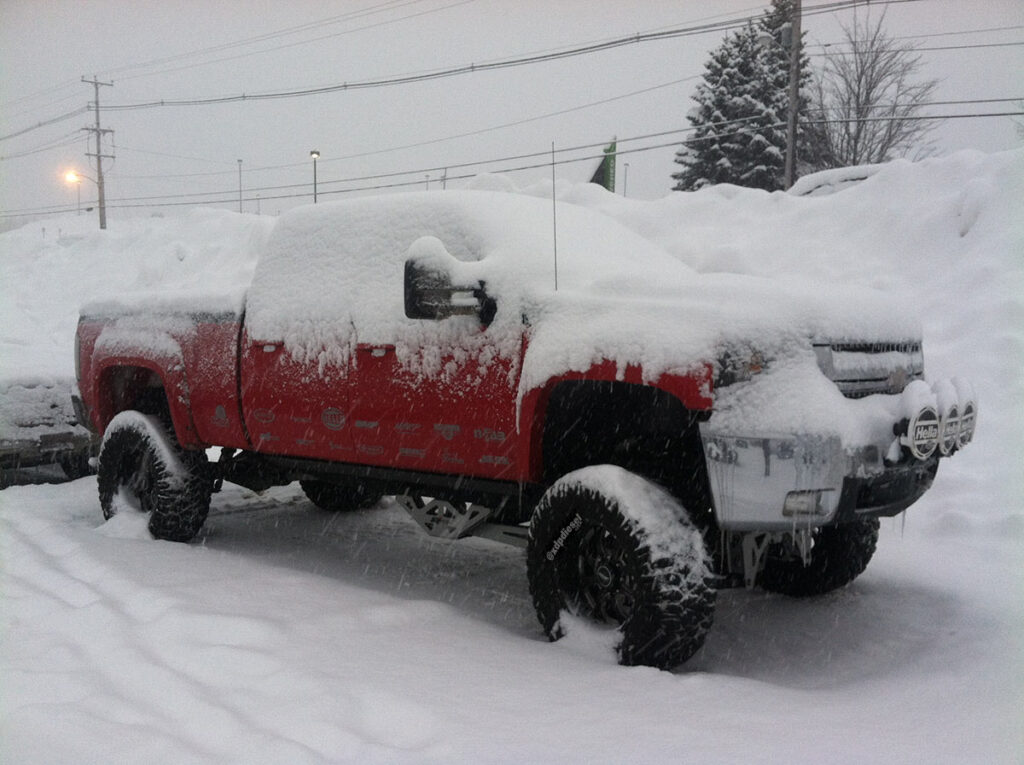
Cold Weather Lessons From The XDP Team
As our team saw during the last cold snap, even experienced diesel owners can get caught off guard.
One missed additive. Low fuel overnight. Aging batteries. Worn glow plugs. Not paying attention to the weather extremes because “it’s cold all month.”
None of these issues are unusual on their own. But combine them with single-digit temperatures, and small oversights can turn into real problems fast.
The upside? Most cold-weather diesel issues are preventable.
A few simple steps, checking batteries, treating fuel, inspecting filters, and addressing overdue maintenance, can make the difference between a normal winter morning and being stuck in the cold, figuring out a backup plan.
Because when extreme temperatures hit, preparation matters a lot more than experience.
Sources:
1. AAA
https://magazine.northeast.aaa.com/daily/life/cars-trucks/winter-driving-tips-from-aaa/
2. UTI
https://www.uti.edu/blog/diesel/how-to-ungel-diesel-fuel-5-tips-and-tricks
3. GM Guide, pg 26
https://www.gm-trucks.com/wp-content/uploads/2023/09/23_MUL_Duramax_Diesel_6.6L_SUP_en_US_U_84883864B_2022OCT10_2P.pdf
4. Royal Purple Date Sheet
https://www.royalpurple.com/wp-content/uploads/2022/08/Royal-Purple-Euro-Formulation-Motor-Oil-PDS-10Jun2022.pdf