
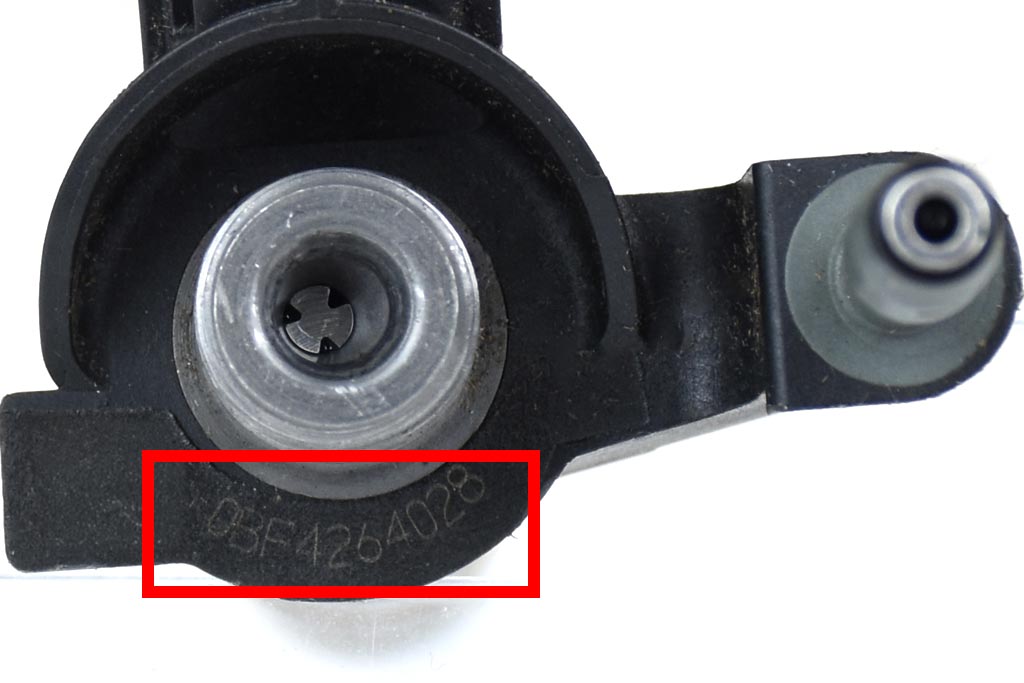
If you’re installing fuel injectors and the service manual says to enter an injector IQA code, that step isn’t optional. The engine control module (ECM), the computer that controls fuel delivery and engine operation, uses this code to set a fuel delivery baseline for each injector and adjust fueling based on the injector’s individual characteristics.¹
Entering the correct code helps the ECM understand how each injector behaves so the engine can run the way it was designed to after installation.
What Is an IQA Code?
IQA stands for Injector Quantity Adjustment.
It’s a calibration value assigned to each injector during manufacturing that the ECM uses to fine-tune fuel delivery to that injector.¹ This calibration helps ensure consistent fueling across all cylinders during engine operation.
Because no two injectors flow fuel exactly the same, the ECM relies on this information as part of its overall fuel delivery strategy to keep the engine performance balanced and predictable.
Do All Injectors Require IQA Programming?
Not every injector requires calibration entry after installation. Requirements vary by engine platform and model year.
Many modern common-rail systems, including Chevy/GMC Duramax, Ford 6.7L Powerstroke, and some Dodge/Ram 6.7L diesel applications, do require injector codes to be entered during setup. If you’re unsure whether your truck requires coding, check the service manual before installation. This prevents unnecessary troubleshooting after startup.
Why Injectors Need IQA Coding
Modern common-rail systems rely on extremely precise fuel metering. Even small differences between injectors can affect how smoothly the engine runs.
Entering the correct IQA code helps support:
- Smooth idle quality
- Consistent combustion
- Reduced drivability issues
- Proper fuel economy
- Consistent engine operation
Without this adjustment, injector performance may not match ECM fueling expectations.² The ECM may rely on default or previously learned values that don’t match the new injector’s characteristics, which can affect how the engine runs after installation.
When Do You Need to Enter an IQA Code?
Many diesel platforms require injector calibration codes to be programmed whenever injectors are replaced.¹
This commonly includes:
- Installing new injectors
- Installing remanufactured injectors
- Replacing a single injector
- Replacing multiple injectors
- Completing major fuel-system repairs
On engines like Duramax, Powerstroke, and newer Ram common-rail platforms, entering injector calibration values is part of the normal installation process.
Always follow the manufacturer’s service procedures for the specific application you’re working on.
Where to Find the IQA Code
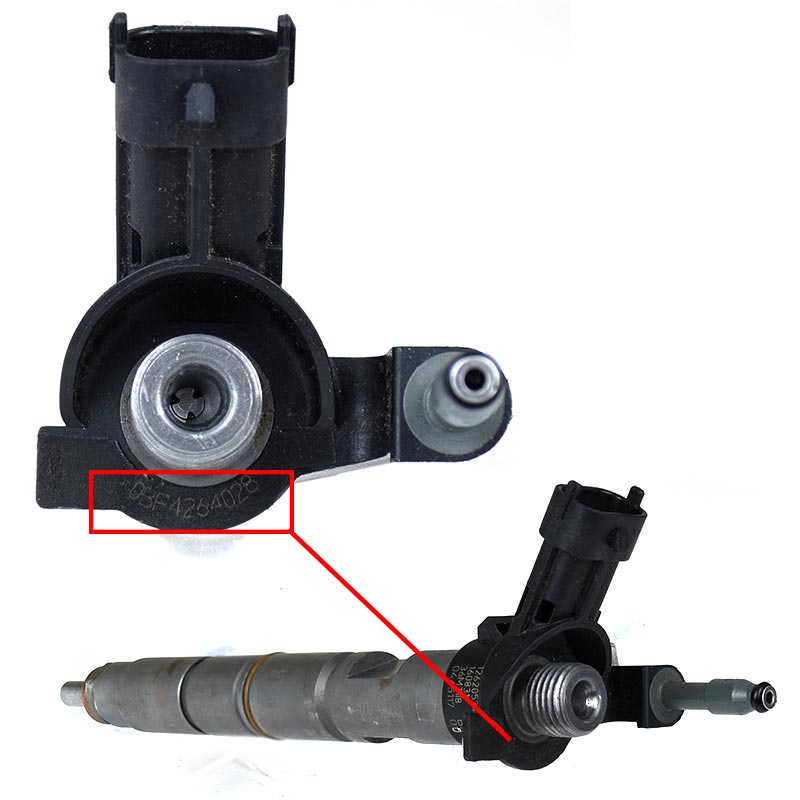
The IQA code is usually printed on the injector label, stamped or etched on the injector body, and often included on a card or sticker inside the packaging.
Before installing the injectors, write down each code and note which cylinder the injector will be installed in. Once the injector is installed, the label or marking may no longer be visible.
How IQA Codes Are Entered
After installation, the IQA code is entered into the ECM during the injector setup procedure using a scan tool or service tool. On some applications, the code must be entered for each injector by cylinder location so the ECM can apply calibration to each one.
What Happens If IQA Coding Is Skipped?
If the calibration code isn’t entered, the engine may still run, but it may not run properly.¹
Possible symptoms may include:
- Rough idle
- Uneven cylinder contribution or balance rates
- Increased exhaust smoke
- Reduced fuel economy
- Diagnostic trouble codes
Entering the calibration code helps make sure the injector works correctly after installation.¹
Even if the engine seems to run normally at first, entering the correct code is still recommended to ensure proper fueling and long-term performance.
IQA Codes May Also Be Called
Depending on the manufacturer, IQA codes may also be referred to as:
- Injector trim codes
- Correction codes
- Calibration codes
Quick Installer Tip
Before installing injectors, record each IQA code and match it to its cylinder location. It’s a simple step that can save time during programming and final setup.
Resources
¹ Alliant Power / DIPACO, “IQA Code + Programming For DTech GM 6.6L Duramax LBZ + LMM Injectors (FI-348)”
https://alliantpower.com/sites/default/files/imce/FI348.pdf
² Alliant Power “Solved: The L5P Injector Trim Code Puzzle”
https://alliantpower.com/solved-the-l5p-injector-trim-code-puzzle-your-step-by-step-guide-to-perfect-programming/