
Your diesel engine is constantly faced with a hidden threat: fuel contamination. Even small amounts of unwanted fluids and debris in the fuel can disrupt performance, reduce efficiency, and damage critical components within the fuel system. Left unaddressed, contamination can wreak havoc on your diesel, leading to costly repairs and unexpected downtime.
Today’s diesel engines are built with incredibly tight tolerances to enable them to maximize compression while providing optimal performance. This however also makes them sensitive to a lack of lubricity due to contaminants. Clean fuel is one of the most important factors in maintaining diesel engine longevity. Luckily, there are steps you can take with your engine to ensure it runs its best for years to come. 1
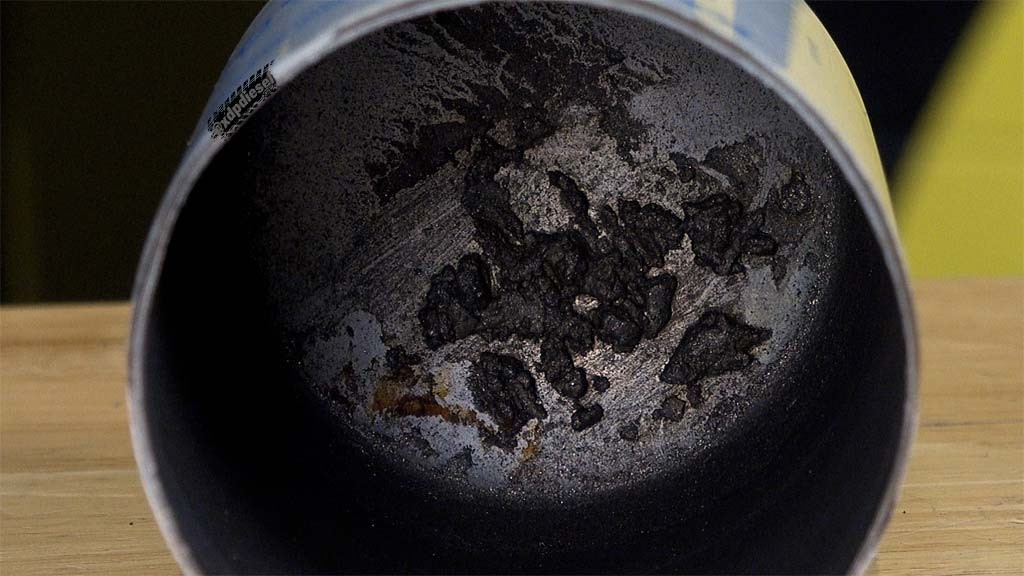
Fuel Contamination
Diesel fuel is critical to the performance of the vehicles’ fuel system. It does more than simply create combustion to move the truck. It’s also vital for lubrication and keeping components cool such as the metal in the fuel injection system. Contaminated fuel can severely lower the lubricity of your diesel fuel, leading to premature wear of components. Which is why it is critical that the fuel you put in your diesel engine is clean and free of contaminants.
Types of Contamination
While fuel contamination can be introduced to your fuel both externally and internally through multiple sources, understanding the various types allows you to take preventive measures and protect your diesel engine from costly damage.
- Water in your fuel is the most common form of contamination. It can show up in your fuel system in several ways: condensation, damaged seals, and poorly maintained fuel storage tanks at the fuel station. This can lead to rust and corrosion, loss of lubrication, and even engine misfires. 2
- Microbial growth in the fuel, also known as “diesel bug” or algae, is a growth from water-contaminated fuel. This causes your fuel to become slimy, clogs fuel filters, and corrodes metal components. 3
- Metal particles can also contaminate your fuel, often indicating a failing fuel pump caused by worn internal components due to heat, pressure, or inadequate lubrication. 4
- DEF contamination happens more than most would like to admit, and unfortunately, it is caused by an accident that is completely avoidable: adding it to the fuel tank. This small mistake can lead to serious damage to the injectors, pumps, and other fuel system components. 5
- Air contamination can occur from the fuel sloshing around in the tank, leaks in the fuel lines, faulty seals, or worn-out components. This causes tiny air bubbles to form, which linger in the tank and get sucked up into the fuel system. This can lead to airlock in which your diesel may have reduced power, difficulty starting and even the inability to start the engine. 4 Air/fuel separation systems filter out this type of contamination before it can cause damage.
Fuel Color and Contamination Identification
Different fuel discolorations can provide clues about contamination:
- Cloudy fuel may indicate water
- Dark or black fuel may point to microbial growth
- Metallic shimmer can suggest internal component wear, most common on newer diesel engines. True to the internet meme, this makes your fuel system look like it’s having a “disco party”
Signs of Fuel Contamination
Fuel contamination causes both immediate and long-term effects on your engine, which can lead to catastrophic damage if left unaddressed.
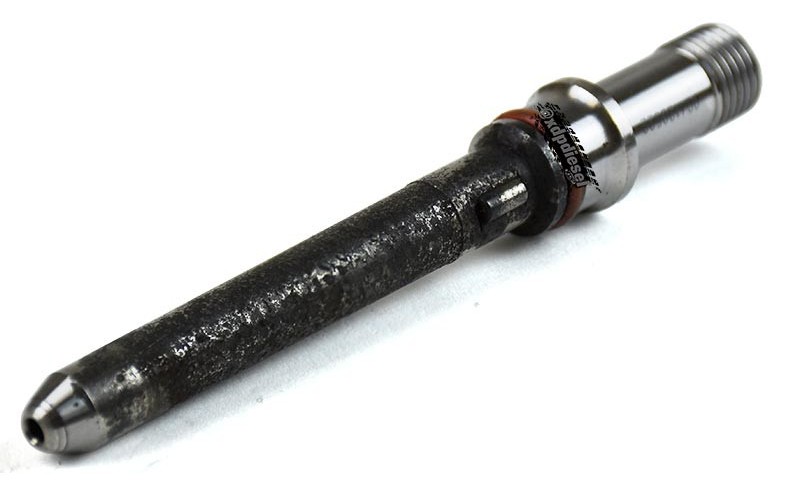
Immediate Symptoms to Look For:
- Fuel filters clogging or needing frequent replacement. This is one of the earliest warning signs that your diesel fuel is contaminated. 5
- Fuel smells rancid: This often indicates fuel has microbial growth due to water contamination. 3
- Excessive exhaust smoke: Contaminated fuel can cause incomplete combustion, resulting in black or white smoke coming from the exhaust. 6
- Reduced engine performance: Dirty fuel leads to incomplete combustion which can drastically lower horsepower, torque and fuel efficiency. With contaminated fuel, you’ll notice sluggish acceleration and power.
- Check engine light or Water in Fuel Light. With fuel contamination, you’ll often get a diagnostic trouble code (DTC) related to fuel rail pressure or injector performance. 5
Long-term Damage:
- Contamination puts stress on the fuel injectors and fuel pumps which leads to accelerated wear and tear. 5
- Corrosion can occur in the fuel lines due to dirty fuel. 3
- Increased Emissions due to incomplete combustion, which can cause your truck to fail a smog or emissions test. 3
- If contamination is not identified and fixed, total engine failure can occur in severe cases. 5
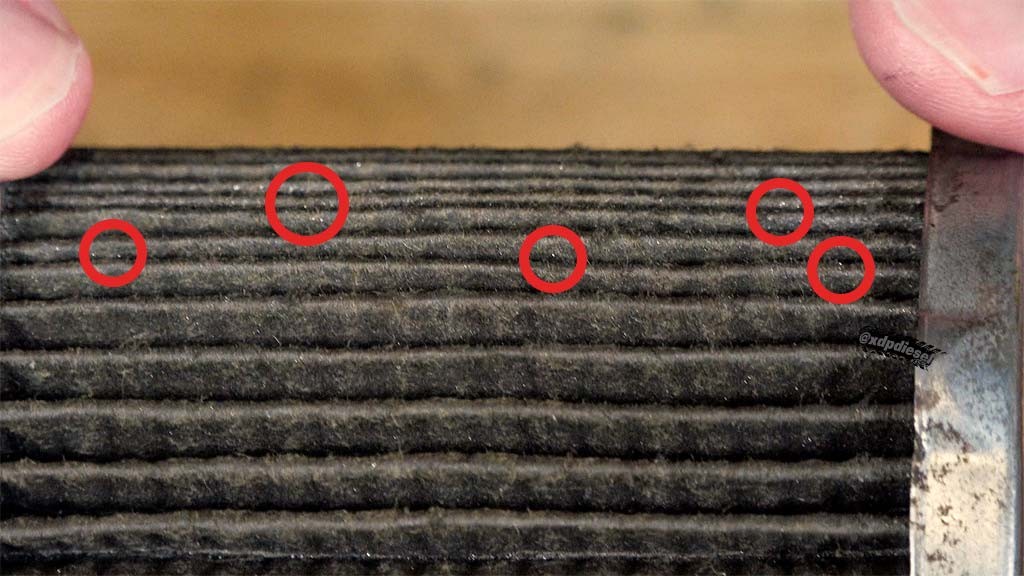
Preventative Maintenance and Protection
Fuel contamination may seem like a losing battle for your diesel engine, but the good news is it’s both manageable and preventable. With proper maintenance, quality filtration, and a few proactive upgrades, you can effectively combat contamination before it causes serious damage. By addressing issues early and using the right preventive measures, it’s possible to protect critical fuel system components and avoid the costly repairs that contaminated fuel can cause.
Fuel Additives
Fuel additives offer a convenient, easy-to-use solution for keeping your diesel fuel clean and properly conditioned.
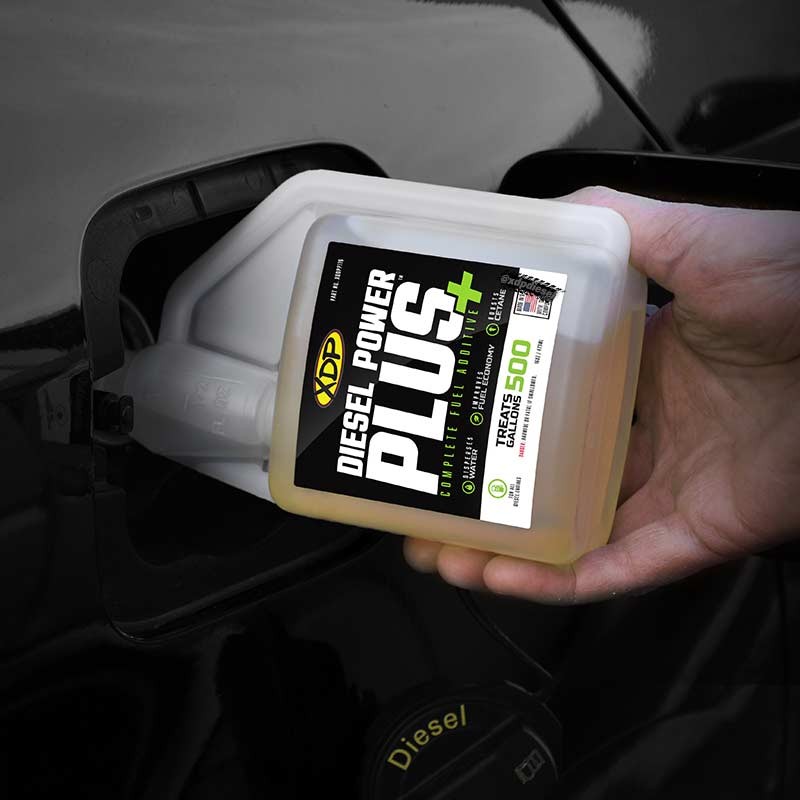
- Modern ultra-low sulfur diesel fuel provides reduced natural lubricity, and this issue can be worsened by water intrusion. Fuel additives, such as Diesel Power Plus Fuel Additive, are formulated to help restore lubricity while dispersing water, inhibiting corrosion, and supporting overall fuel system protection. 7
- Eliminate and control the growth of microorganisms such as fungi and bacteria in your fuel. Biocide additives help keep microbial growth in check, they help prevent clogged fuel filters caused by the slimy biomass from microbial growth. 8
- Injector cleaners help remove and prevent injector deposits commonly caused by dirty or poor-quality fuel. By restoring proper spray patterns and fuel atomization, injector cleaners can improve combustion efficiency, reduce smoke, and help maintain smooth engine performance. 9
- Moisture in your fuel system can cause diesel fuel to gel in cold temperatures, restricting fuel flow, and leading to hard starts or no-start conditions. Winter anti-gel additives help prevent fuel from thickening, disperse moisture, and keep fuel flowing properly in freezing conditions, ensuring reliable cold-weather performance. 10
Maintenance and Best Practices
Fuel contamination can be reduced through regular maintenance and proper fueling habits that help keep clean fuel flowing into your tank.
- Regular fuel filter replacement according to manufacturer intervals helps prevent clogging, maintain proper fuel flow, and protect sensitive fuel system components from premature wear and damage. 3
- Source Quality Fuel: Always purchase fuel from reputable stations and be cautious of low-priced fuel as it may not meet quality standards. 3 Choose to fuel up at high-volume stations when possible, because these stations have a higher turnover for the fuel which means its sitting in the tank less. This helps ensure the fuel you are getting is fresher, and you have less of a chance of getting old, contaminated fuel. 11
- Maintain Fuel tanks: Keep your fuel tank as full as possible, especially if your truck sits for extended periods, to reduce the amount of empty space where condensation can form, helping minimize moisture accumulation and prevent water buildup in the fuel system. 3
Fuel Filter Upgrades
Owners of diesel trucks equipped with CP4 high-pressure fuel pumps, such as the 6.7L Ford Power Stroke, often utilize fuel pump conversion kits and disaster prevention kits to prevent major fuel system damage. We cover this in more detail in the CP4 Pump Conversion Kits and the Disaster Prevention Kits blogs, to address one major concern: the CP4’s sensitivity to poor fuel quality and lubrication. However, aftermarket lift pumps are a solution that work with just about any diesel engine.
Installing an aftermarket lift pump into your diesel’s fuel system enhances fuel filtration to help ensure the fuel being circulated through the system is clean and free from contaminants. These upgraded lift pumps protect and extend the life of the injectors, injection pumps, seals, and internal wear surfaces. 4
Benefits of an Aftermarket Lift Pump:
- Improved fuel filtration. 3
- Better air/water removal. 4
- Reduces strain on factory injection pumps. 4
- Protects and extends life of the injection system. 2
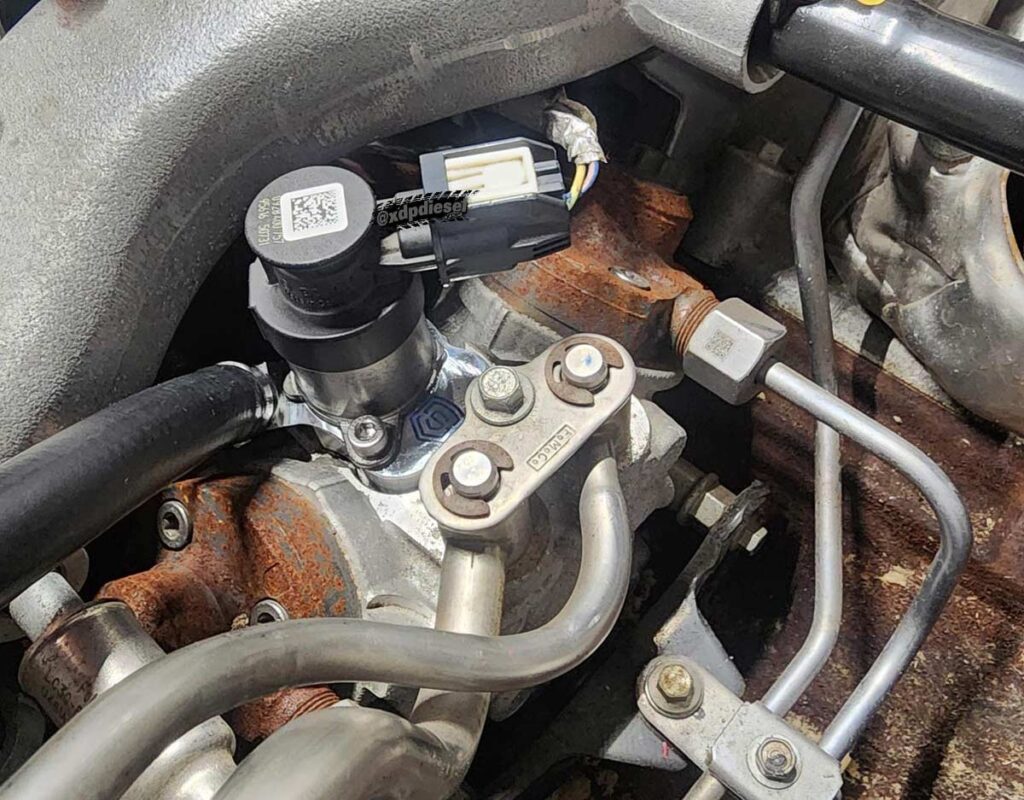
How to Get Your Diesel Back On the Road After Contamination
Fuel System Contamination kits
If all else fails and your fuel system is contaminated and damaged, a system flush can’t guarantee that all the impurities will be removed. A full replacement of the fuel system components is needed to ensure a comprehensive repair. These kits typically offer injectors, injection lines, gaskets, fuel rails, injection pumps, and more. 6
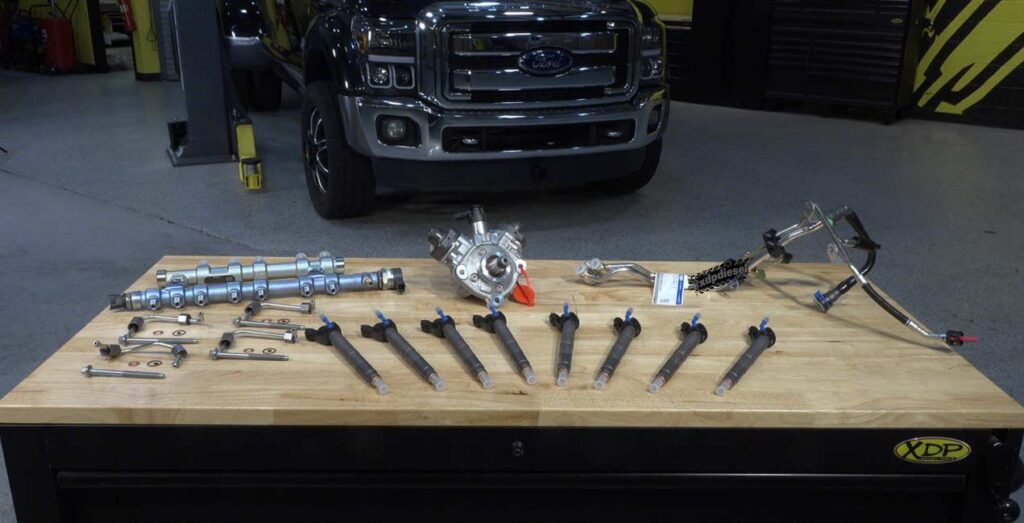
Don’t forget to check out XDP’s full line of Fuel System Contamination Kits for your Ford Powerstroke, Chevy/GMC Duramax, or Dodge Ram diesel.
Sources:
1. https://airdogdiesel.com/the-impact-of-clean-fuel/
2. https://alliantpower.com/combat-fuel-system-wear-with-alliant-powers-lubricity-solutions/
3. https://airdogdiesel.com/understanding-the-problem-of-fuel-contamination/
4. https://www.fassride.com/what-does-a-fass-fuel-system-actually-do
5. https://alliantpower.com/fuel-system-catastrophe-your-diesels-hidden-enemy-the-total-package-fix-you-need/
6. https://alliantpower.com/alliant-powers-fuel-contamination-kits-the-total-package/
7. https://www.xtremediesel.com/xdp-diesel-power-plus-fuel-additive-xtremedieselcom
8. https://www.xtremediesel.com/fppf-00119-killem-biocide-fuel-additive
9. https://www.xtremediesel.com/stanadyne-performance-formula-injector-cleaner-43564
10. https://alliantpower.com/say-goodbye-to-diesel-gelling/
11. https://www.nirvc.com/blog/5-benefits-of-refueling-your-big-rig-at-a-truck-stop/