
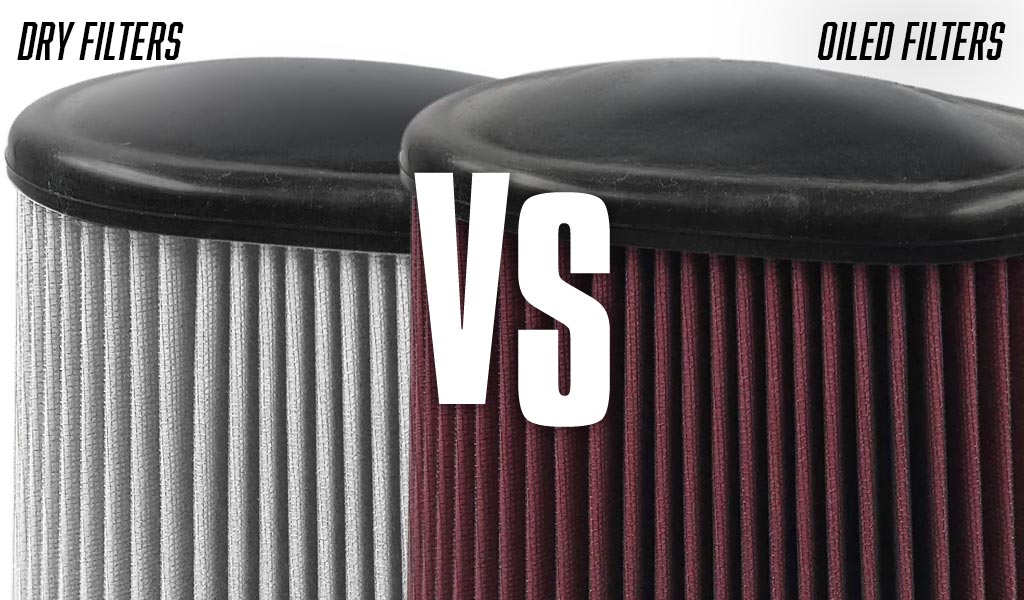
If you’ve spent more than five minutes on an automotive forum, you’ve probably seen it happen. Someone asks a simple question about air filters. A few comments later, somebody mentions oiled filters. Then somebody else says they’ll ruin your MAF sensor. Another person jumps in claiming they’ve run one for 200,000 miles without a single issue. Before long, you’ve got a full-blown internet debate on your hands.
The truth?
Both sides actually have some valid points. And despite what your buddy, your mechanic, or that guy on the internet says, there isn’t a universal right or wrong answer.
So let’s separate fact from fiction and take a closer look at the difference between oiled and dry air filters.
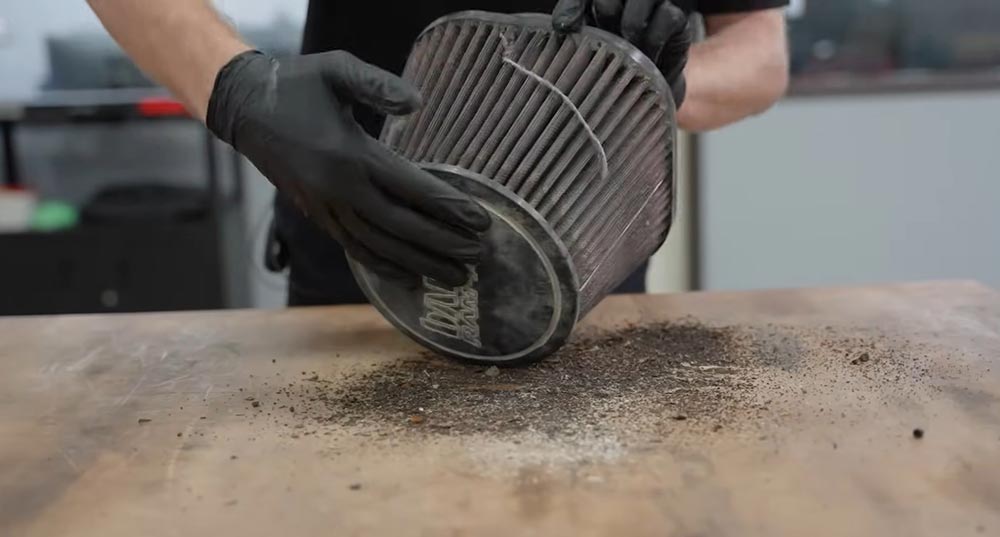
What Does An Air Filter Actually Do?
Before we jump into the controversy, let’s cover the basics.
Every air filter has the same job:
- Allow Clean Air Into The Engine
- Stop Dirt, Dust, And Debris From Entering The Intake System
- Restrict Airflow As Little As Possible
Simple enough, right? Well, not exactly.
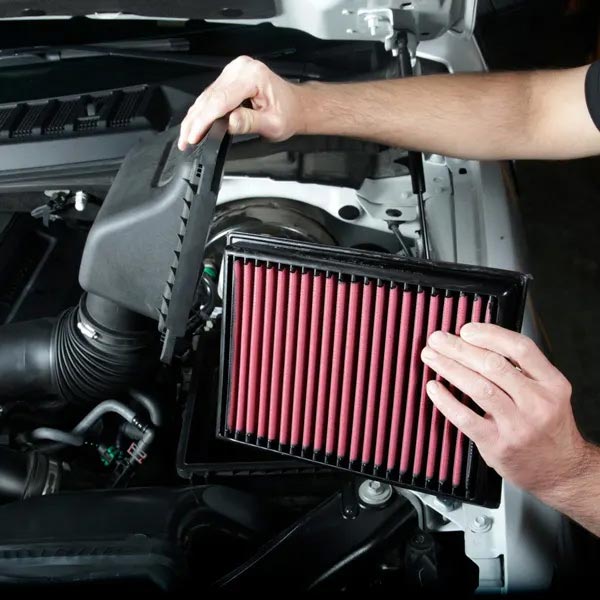
The challenge is balancing filtration and airflow. The better a filter is at stopping contaminants, the more it can potentially restrict airflow. The more airflow you allow, the harder it can be to capture every particle.
That’s where the differences between oiled and dry performance filters come into play.
What Is An Oiled Air Filter?
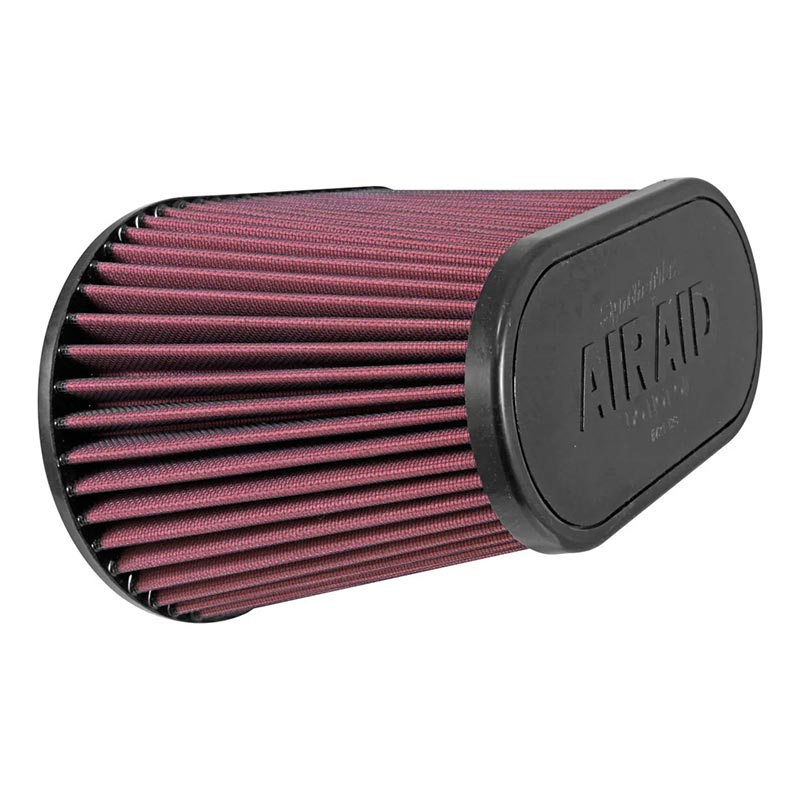
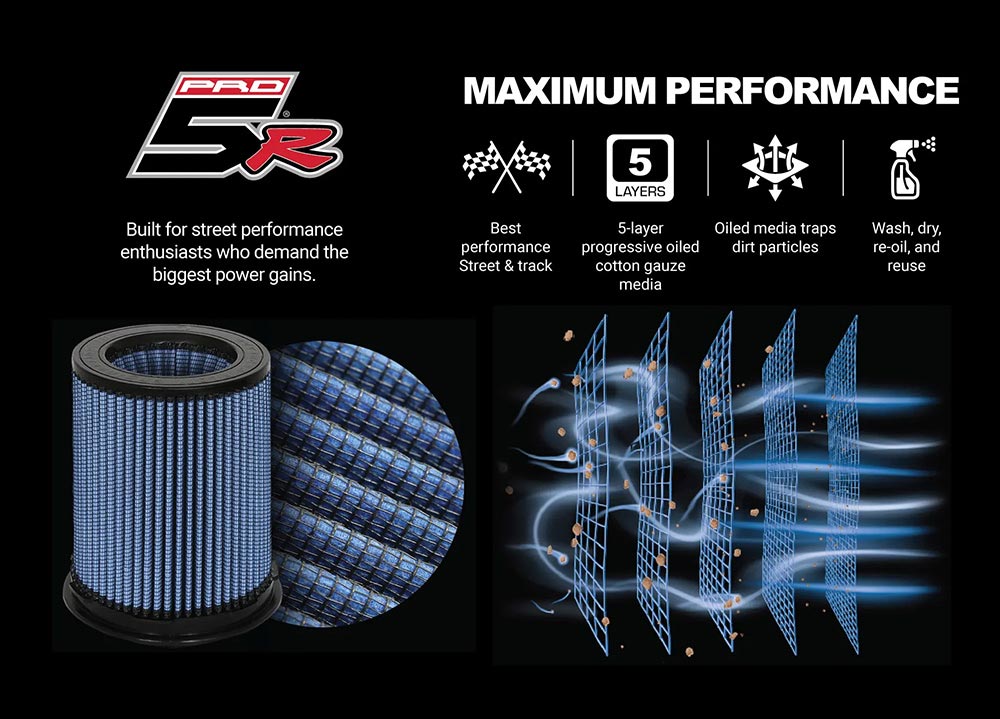
Oiled filters typically use multiple layers of cotton gauze treated with a specialized filter oil. The oil helps trap dirt and dust particles as air passes through the filter media. Think of it like flypaper for airborne contaminants. The oil creates a tacky surface that helps capture particles while still allowing air to flow through the filter.1
Because of their reusable design and reputation for strong airflow characteristics, oiled air filters have remained popular in performance applications for decades.
Benefits Of Oiled Filters:
- High Airflow Potential
- Washable And Reusable
- Long Service Life (With Proper Maintenance)
Things To Consider:
- Require Periodic Cleaning And Re-Oiling
- Maintenance Takes More Time
- Improper Oil Application Can Create Issues
Those differences have helped fuel the oiled-versus-dry debate for years.
What Is A Dry Air Filter?
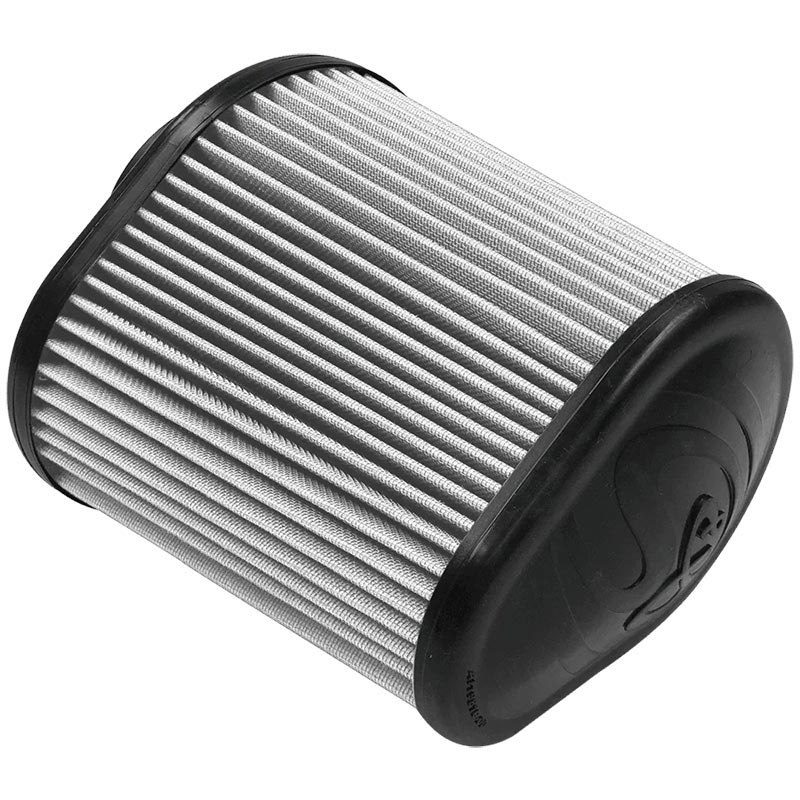
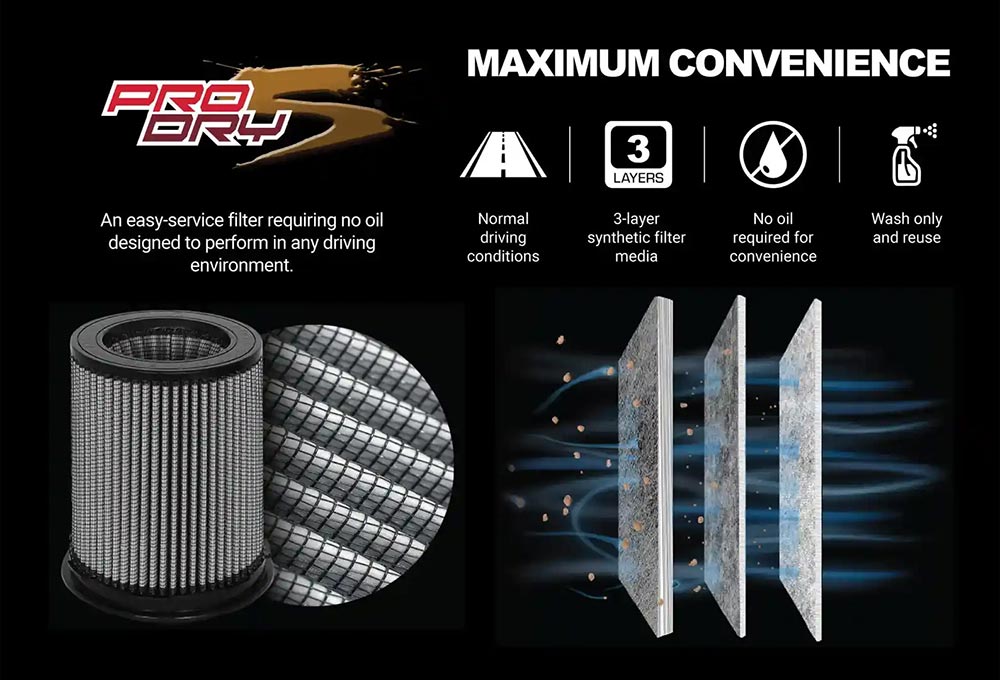
Dry filters use synthetic or paper-based media designed to capture contaminants without requiring oil.
Instead of relying on an oil coating, the filter material itself traps dirt and debris as air moves through the filter.
Many premium dry filters now use synthetic media designed to deliver strong airflow while maintaining high filtration performance.2
Benefits of Dry Filters:
- Simple Maintenance
- No Oiling Required
- Easy Servicing
- No Chance Of Over-Oiling
Things To Consider:
- Some Are Disposable Rather Than Reuseable
- Some Can Be Cleaned And Reused (Clean Following Manufacturer’s Instructions)
- Airflow Characteristics Vary By Design
- Service Intervals Depend Heavily On Driving Conditions
For many truck owners, simplicity is the biggest selling point. When it’s time for maintenance, there are fewer steps involved.1
The MAF Sensor Debate
Let’s address the elephant in the room: Can an oiled air filter damage your MAF sensor?
The short answer is: it’s complicated.
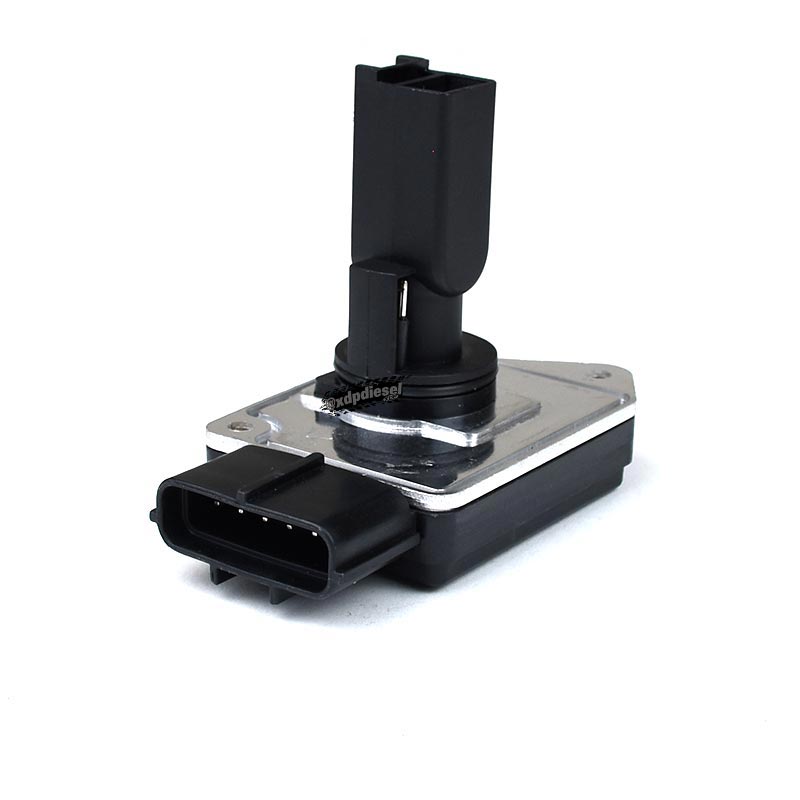
One of the biggest concerns surrounding oiled air filters is whether filter oil can contaminate the Mass Air Flow (MAF) sensor. This argument has been around for years, and filter manufacturers have done their fair share of testing to address it.
K&N took that testing to the extreme. They submerged a functioning MAF sensor in its filter oil, exposed it to test dust, and monitored its performance. K&N reports that after the sensor was cleaned, its readings were identical to those recorded before the test.3
And apparently dunking a MAF sensor in filter oil wasn’t enough.
K&N also examined hundreds of MAF sensors that had reportedly been blamed on its filters. The company says its testing did not confirm K&N filter oil as the cause of contamination or failure in the sensors it evaluated.
Another filter manufacturer, S&B, takes a more cautionary approach to overoiling. S&B states that its properly oiled filters should not damage a MAF sensor but acknowledges that applying too much oil could potentially affect the sensor.5
So what’s the takeaway?
Oiled air filters aren’t automatically the MAF sensor killers they’re sometimes made out to be. At the same time, this isn’t a case where more oil equals more protection. If you choose an oiled filter, follow the manufacturer’s cleaning and re-oiling instructions.
Which Filter Flows Better?
This is where opinions start flying. Many performance-oriented oiled air filters are designed with maximum airflow in mind, which is one reason they’ve remained popular among enthusiasts for years.
At the same time, modern dry air filter technology has advanced significantly. Many high-quality dry filters now offer airflow characteristics that are extremely competitive while still maintaining excellent filtration.
The reality is that airflow differences often depend more on the individual filter design than whether the filter is oiled or dry. Comparing two filter types without considering the actual product can be misleading.6
What About Filtration?
Here’s another topic the internet loves to argue about.
Both oiled and dry filters can offer high filtration efficiency, but there can be measurable difference between the two. As one example, aFe’s popular pro 5R and Pro DRY S filter show how filtration can differ between oiled and dry filter media.
AFe’s Pro 5R oiled filter has a 98.6% efficiency rating using ISO Coarse Dust testing, while its Pro DRY S filter is rated at 99.2% using the same test standards.1
Does that mean dry filters automatically win the filtration debate? Not quite.
The Pro 5R and Pro DRY S are designed with different priorities in mind. AFe positions the Pro 5R as its maximum-flow option for street and track use, while the Pro DRY S emphasizes filtration and oil-free maintenance.1
In other words, those numbers help illustrate the trade-off we’ve been talking about: filter design is about finding the right balance between airflow, filtration, maintenance, and intended use, not simply picking whichever number is higher.
What About Maintenance?
Maintenance is another area where oiled and dry filters can differ, although the difference may be smaller than you think.
Oiled Air Filter Maintenance
Servicing an oiled filter typically involves:
- Removing The Filter
- Cleaning The Filter Media
- Allowing It To Dry Completely
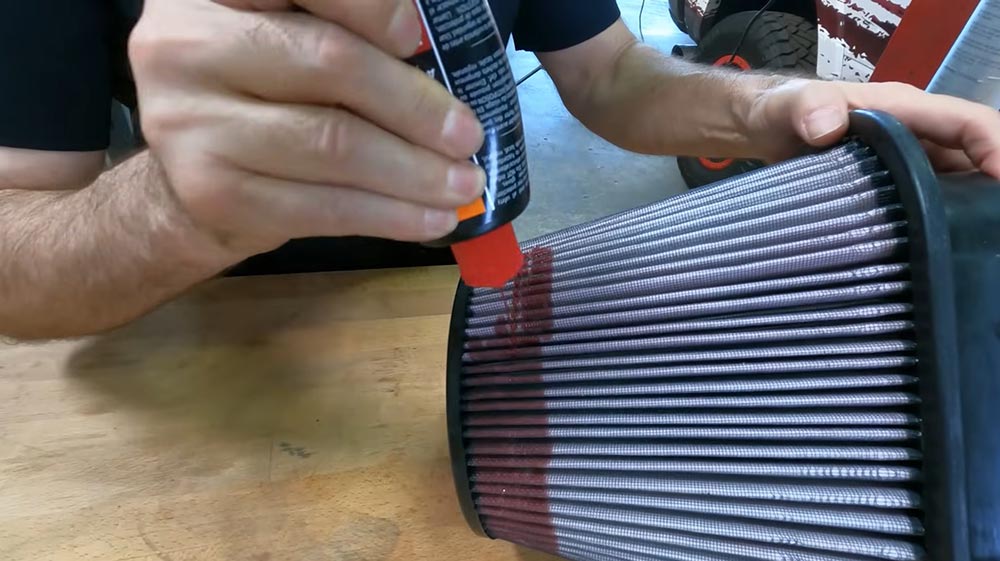
- Re-Applying Filter Oil
- Allowing The Oil To Wick Through The Media

The process isn’t difficult, but the re-oiling step does require some attention to detail. And yes, somebody out there absolutely ignored the instructions and emptied half the bottle into the filter. But it’s easy to over oil, so just pay attention to the manufacturer’s instructions and you should be good.
Dry Air Filter Maintenance
Dry filter maintenance is usually more straightforward.
For a washable, reuseable dry filter, maintenance may not be all that different from an oiled filter. The filter still needs to be cleaned according to the manufacturer’s recommendations and allowed to dry completely. The main difference? There’s no re-oiling step.
Other dry filters may have different service requirements, and some aren’t designed to be cleaned at all. Those filters are simply replaced when they reach the end of their service life.
So, when comparing a reuseable dry filter to a reusable oiled filter, the maintenance difference may come down to just that extra oiling step. For some owners, skipping it is a convenience. For others, it’s no big deal.
So Which One Is Better?
Here’s the answer nobody likes:
Neither.
At least not universally. An oiled air filter isn’t automatically better than a dry filter. A dry filter isn’t automatically better than an oiled filter. Both have strengths. Both have trade-offs. Both can perform exceptionally well when properly designed, installed, and maintained.
The best choice comes down to your priorities, maintenance preferences, and how you use your truck.
If downtime during filter service is a concern (after cleaning a reuseable filter or oiling an oiled filter), keeping a second filter on hand lets you swap them out with zero downtime. Having a backup makes sense, no matter what type of filter you choose.
An Oiled Filter May Be A Good Choice If:
- You Don’t Mind The Re-Oiling Step
- You’re Comfortable With Periodic Filter Maintenance
- You Prefer The Airflow Characteristics Of A Specific Oiled Filter
- The Oiled Filter Options Best Fits Your Application And Performance Goals
A Dry Filter May Be A Good Choice If:
- You Want To Avoid The Re-Oiling Process
- You Prefer A Straightforward Service Routine
- The Dry Filter Option Best Fits Your Application And Performance Goals
The Bottom Line
The oiled-versus-dry filter debate has probably been around almost as long as automotive enthusiasts have had access to internet forums. And it probably isn’t going away anytime soon.
The good news is that modern air filter technology has made both options highly effective when properly used and maintained.
Instead of focusing on which side wins the debate, focus on choosing a quality filter that fits your application, whether it’s a diesel truck or gas vehicle, along with your driving habits, and your maintenance preferences.
At the end of the day, the best air filter is the one that keeps dirt out of your engine and keeps you enjoying the drive.

Sources
1 https://blog.afepower.com/whats-the-difference-between-afe-air-filter-media/
2 https://www.aemintakes.com/air-filters
3 Does K&N Filter Oil cause MAF Sensor Failure?
https://youtu.be/LeqP_1Y_pC0?si=kBf4Bjwg6WymFZsE
4 https://www.knfilters.com/maf/maftestresults.htm
5 https://support.sbfilters.com/hc/en-us/articles/200741894-Will-the-oil-on-the-filter-damage-my-vehicle-s-mass-air-sensor
6 https://sbfilters.com/pages/cleanable-vs-dry