Buying a used diesel truck can be a great move. They’re powerful, capable, and can last a very long time when maintained properly.
They can also get very expensive, very quickly, when they haven’t been.
Diesel trucks are capable of hundreds of thousands of miles when properly maintained, which is a big part of their appeal. But like any heavy-duty platform, maintenance plays a huge role in long-term ownership costs. That’s why buying one requires a slightly different mindset than shopping for a typical gas vehicle. Mileage only tells part of the story. Maintenance and mileage go hand in hand, and as miles climb, maintenance history becomes even more important. Even small warning signs can lead to bigger repair bills.
This guide isn’t meant to scare you away from buying a used diesel pickup: it’s meant to help you ask better questions, spot potential issues early, and understand what you’re really looking at before money changes hands.
This isn’t a full mechanical teardown or technician-level inspection guide. It’s a practical look at the most important things to look for when buying a used diesel truck so you can shop with more confidence and fewer surprises.
Because when it comes to diesels, heavy-duty capability often comes with heavy-duty parts and heavy-duty repair costs if maintenance is overlooked.
If you haven’t already, check out Part 1 of this series, where we dive into the craziness of buying a truck online, how to avoid common mistakes, and what to expect along the way.
Cold Start Is Non-Negotiable
A diesel truck should be completely cold when you arrive. If it’s already warmed up, ask why.
What to Watch During a Cold Start
• How long it cranks before starting
• How smoothly it idles once it fires
• Any unusual noises during startup
Diesels are naturally louder than gas engines, and some mechanical noise or light knock at startup can be normal. Sounding like a toolbox falling down stairs is not. A healthy diesel should wake up confidently. If it sounds like it regrets existing, keep asking questions. Extended cranking, rough idle that “just needs a minute”, or sounds that seem inconsistent need a closer look.
If it only starts well when it’s already warm, it could point to fuel system issues, compression concerns, or other underlying problems. Either way, you may have already discovered why it’s for sale.
What Exhaust Smoke Can Tell You
Exhaust behavior can tell you a lot, especially on startup and during acceleration.
What Different Smoke Colors Can Mean
• A brief puff of white smoke on a cold start can be normal
• Persistent white smoke may point to fuel or coolant concerns
• Blue smoke typically indicates oil consumption
• Excessive smoke during light driving conditions is worth asking about
A little smoke can be normal. A smoke show usually isn’t. If the explanation is vague or dismissive, that’s useful information on its own. “It’s just a diesel thing” is not a diagnosis.
Exhaust smoke can tell you a lot, but only if you know what you’re looking at. Different colors can point to very different issues, and guessing can lead to the wrong conclusion. If you want a deeper breakdown of what smoke color can reveal, check out our Diesel Smoke Diagnosis Tech Talk where we walk through the most common smoke types and what they mean.
Diesel Mods & Aftermarket Parts
Many diesel trucks have aftermarket parts or modifications. That doesn’t automatically make them good or bad, but it does mean you should take a closer look at how the truck was modified and what’s actually included in the price.
Ask These Questions First:
• What modifications have been done?
• Who installed them?
• How long the truck has been driven that way?
Look for Supporting Mods (Not Just the Flashy Stuff)
Some modifications require supporting upgrades to work properly or avoid premature wear. When those supporting parts are missing, it can mean added cost for the next owner.
Examples:
• Lifted trucks without supporting suspension or steering upgrades
• Oversized tires with stock gearing (not usually an issue on diesel trucks, but worth evaluating)
• Added power without supporting engine, drivetrain, or cooling upgrades
None of this automatically means the truck is a bad buy, it just means the full cost of ownership may not be reflected in the asking price.
Be Clear on What’s Included
It’s common to see listings that offer different prices depending on what stays with the truck. Make sure you’re buying the truck you see in the ad, not the pics from two build revisions ago.
You may see:
• One price with the aftermarket wheels and tires, a different price with the factory set
• A lower price if aftermarket parts or accessories are removed
That’s not unusual to see, and sometimes it can even be frustrating. It’s important to understand exactly what you’re getting.
Before agreeing on a price, confirm:
• Which aftermarket parts are included
• Whether stock parts come with the truck
• If anything will be removed before sale
It’s also worth thinking about replacement costs. For example, if a lifted truck comes with stock wheels and tires, budgeting for a new set of larger tires can add a significant cost right out of the gate.
Quality and Execution Matter
When inspecting modifications, look for:
• Clean, organized wiring (if electrical)
• Proper mounting and routing of wiring, hoses, and lines
• No loose or unfinished work
This is especially important for electronic parts like lift pumps, onboard air systems, gauges, or other performance electronics. Even high-quality parts can cause headaches later if the installation wasn’t done by someone who knows what they’re doing.
Fuel System = Big Money Zone
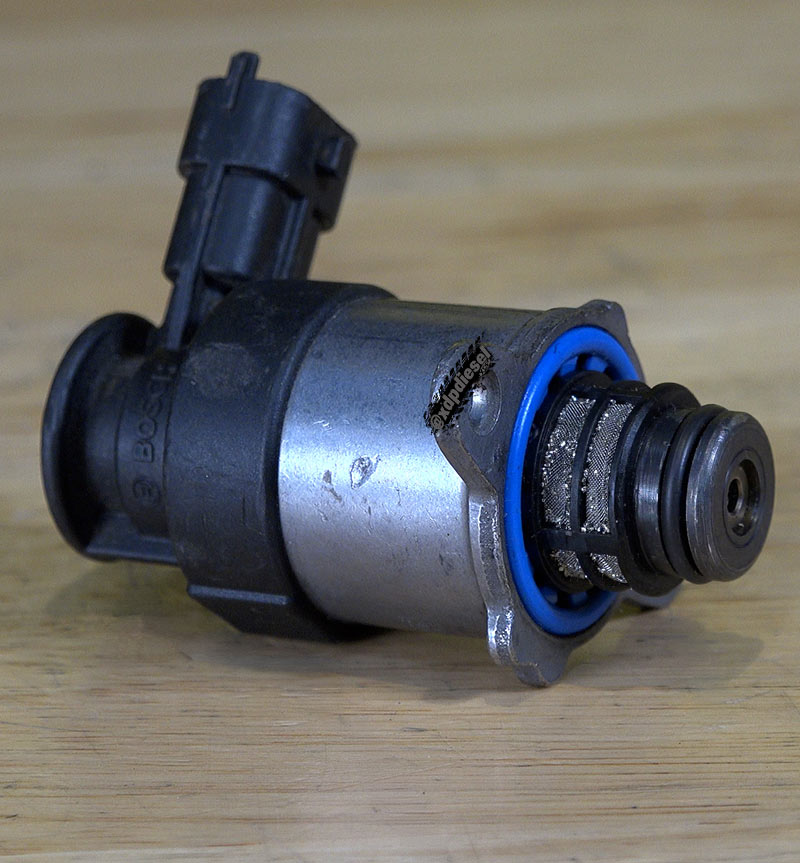
Diesel fuel systems are complex, operate at extremely high pressures, and rely on very precise mechanical and electronic components working together. When something goes wrong, repair costs can add up quickly.
If you’re looking at an older mechanically injected diesel, you may have a little less concern, but that doesn’t mean you’re in the clear. Part availability can become a challenge on aging platforms, and replacement injection pumps or other fuel system components can be just as expensive or harder to source than parts for newer common-rail systems.
Ask about:
• Fuel Injectors
• High-pressure fuel pump, or fuel injection pump (depending on model)
• Lift Pump Upgrades or Replacements
Red Flags:
• Major fuel system work with no documentation
• Hard starting blamed on conditions that don’t match the season
Transmission Health Matters More Than You Think
Diesels produce serious torque. Transmissions feel every bit of it. If you’re in the market looking for specific makes and models, you may already be aware of common transmission concerns. If not, this is where the test drive becomes especially important. Oversized tires with stock gearing, for example, can add extra strain on the transmission and drivetrain over time. It can also affect shift quality, since the truck may not be operating at the speeds the transmission was calibrated for.
While most trucks you’ll come across are automatic, manual trucks deserve attention too. Clutch life, engagement smoothness, and any signs of slipping under load can provide important clues about overall condition.
During the Test Drive:
• Pay attention to shift quality
• Watch for slipping, flaring, or delayed engagement
• Notice how it behaves once fully warmed up
You’ll often hear the phrase “built transmission.” That can mean a lot of different things.
It’s fair to ask:
• What was done
• Who did the work
• Whether there are invoices or documentation
Engines make power. Transmissions decide how long you enjoy it. A strong engine with a tired transmission is like a marathon runner in flip-flops.
Transmission Fluid Can Tell a Story
Even a quick check of the transmission fluid can be helpful. Fluid that is dark, burnt-smelling, or contaminated may indicate excessive heat or wear.
Transmission fluid condition can tell a story about maintenance habits. Some owners stay on top of regular fluid services, while others never change it at all. You may have heard that old debate that if fluid has never been serviced, it’s better to leave it alone. Regardless of where you land on that discussion, a lack of documented service history should factor into how you evaluate the truck.
It’s also worth remembering that not all factory transmissions are created equal. Some platforms came with very durable transmissions from the factory, while others are known to benefit from upgrades, especially in higher torque applications.
Platform differences matter here. Early 5.9L Cummins trucks are known for stout engines, but transmission condition can vary significantly and should be evaluated carefully during a test drive. Our 2003-2004 Dodge Ram 5.9L Buyer’s Guide dives deeper into what to look for before buying.
Maintenance History Matters More as Mileage Increases
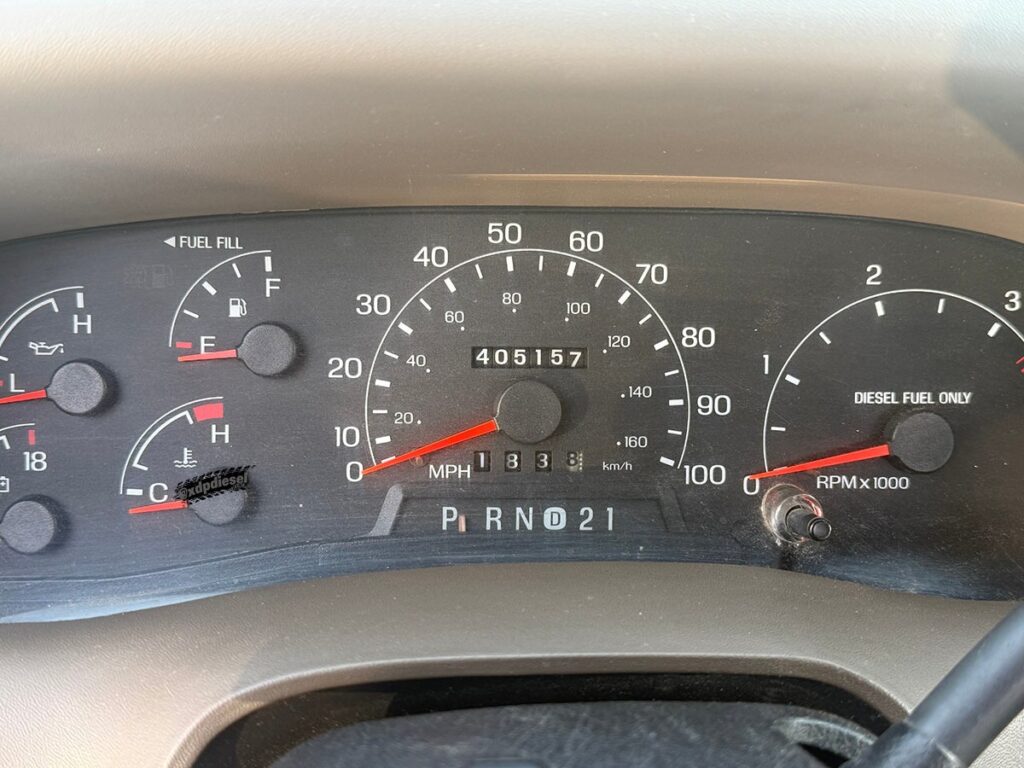
That’s especially true when you start looking at high-mileage diesels. At that point, the story isn’t written by the odometer; it’s written by how the truck was maintained along the way. Two vehicles with identical mileage can have completely different futures depending on how consistently they were serviced and how they were used.
Ask about:
• Oil change intervals
• Fuel filter changes
• Coolant type and maintenance
• Towing or heavy use
Service records are a strong positive. “I do my own maintenance” isn’t bad, it just means follow-up questions are important. Odometers show distance. Maintenance records show character.
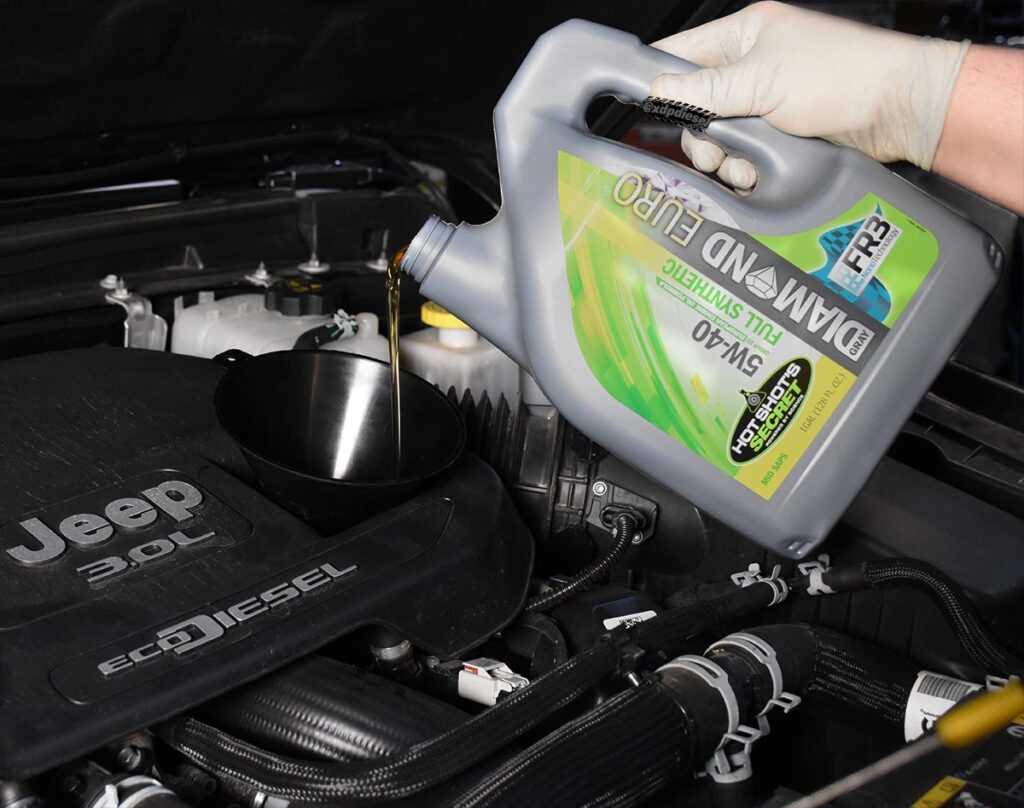
It’s also important to understand that proper maintenance isn’t just about doing the work, it’s about doing it correctly. Different diesel platforms have specific requirements for fluids like coolant, engine oil and transmission fluid. Using the wrong type or mixing incompatible fluids can create problems that don’t show up until much later.
Knowing what the truck calls for and confirming the right fluids were used can be just as important as knowing how often services were performed.
Some diesel platforms are known for longevity when properly maintained, and the 7.3L Powerstroke is a great example. These engines have earned a reputation for running well into high mileage ranges, but their durability still depends on consistent maintenance and proper care over time. If you’re considering one, understanding what to look for beyond the odometer is key. Our 7.3L Powerstroke Buyer’s Guide breaks down common considerations, maintenance insights, and what to watch for before buying.
High-Mileage Diesels: What to Expect
High-mileage diesels can be excellent buys, but they come with a different set of expectations.
It’s not uncommon to see well-maintained diesel trucks with 200k, 300k, or even more miles still working hard. The key difference at that point isn’t whether parts will wear out, it’s which ones, and when.
At higher mileage, you should assume some components are already replaced, nearing replacement, or will need attention in the near future. At this point, you aren’t asking if parts have been replaced; you’re asking which ones and how long ago.
That’s especially true when you start comparing platforms. Some engines have earned a loyal following for a reason. The 2003-2007 5.9L Cummins is often mentioned in high-mileage conversations thanks to its durability and relatively simple design. Our 2003-2004 5.9L Cummins Buyer’s Guide dives deeper into what to expect when shopping for one.
Components That May Be Nearing the End of Their Service Life
Even well-maintained trucks may start needing larger-ticket items, such as:
• Injectors or fuel system components
• Turbochargers
• High-pressure fuel pumps
• Transmission rebuilds or upgrades
• Suspension components and steering parts
This doesn’t make a high-mileage truck a bad buy, but it should influence how you evaluate the price.
Documentation Matters More Than Ever
On higher-mileage trucks, records carry a lot of weight.
Look for:
• Major service receipts
• Fuel system work
• Transmission rebuilds
• Cooling system repairs (which can be more complex on newer trucks with primary and secondary cooling systems)
A truck with documented major repairs can be far less risky than one with fewer miles but no history.
Condition > Mileage
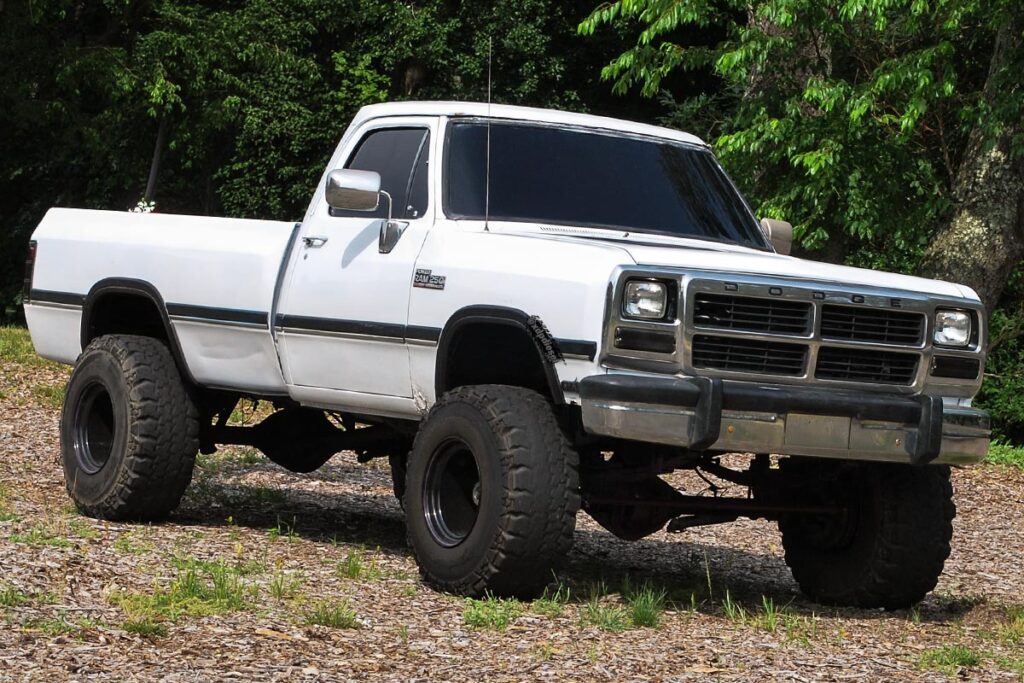
A clean, well-maintained 250k-mile truck can be a better buy than a neglected 120k-mile one.
Pay attention to:
• How it starts and runs
• Interior wear vs. claimed mileage
• Underbody condition
• Signs of consistent maintenance
Mileage tells part of the story. Maintenance tells the rest.
Set Expectations Accordingly
Buying a high-mileage diesel often means trading lower upfront cost for higher long-term maintenance.
If you go in expecting perfection, you’ll be disappointed. If you go in expecting wear and planning accordingly, you can find excellent value. In many parts of the country, especially in rust-prone regions, buyers would rather deal with mechanical repairs than corrosion. Engines and transmissions can be replaced, but a rusted frame becomes an entirely different topic with different repairs.
High mileage doesn’t scare diesel owners. Surprises do.
Usage Clues Worth Paying Attention To
Some signs don’t show up on a scan tool.
Look for:
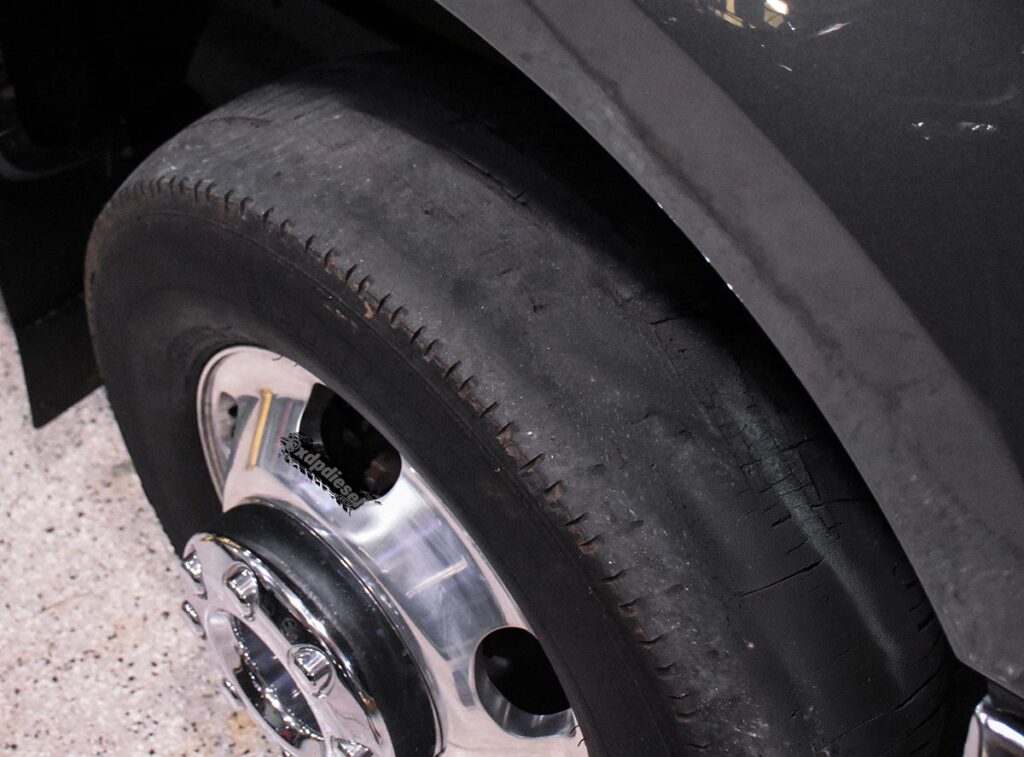
• Uneven or worn tire condition
• Lifted but never aligned
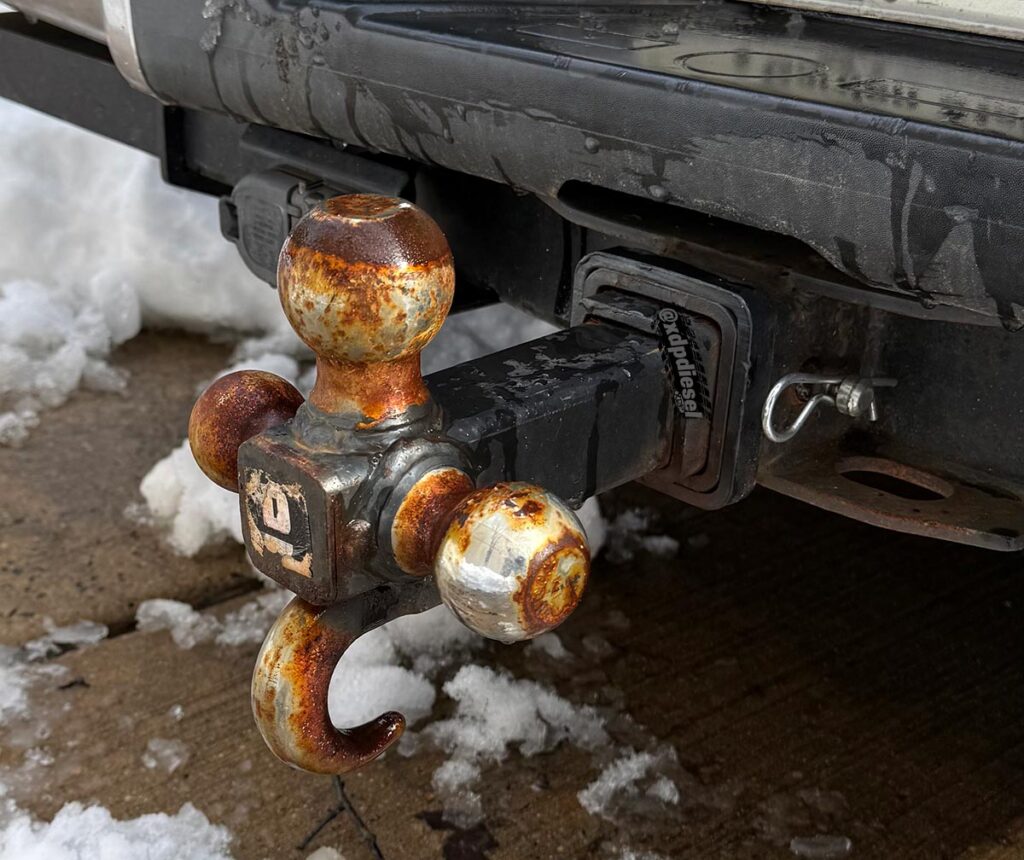
• Hitch wear that tells a heavy-towing story
• Interior wear that suggests long, hard miles
• Signs of snowplow use
• Body lines that don’t line up (may indicate an accident)
Some pickups have lived easy lives. Others have seen a lot of things. Take a closer look at suspension, steering, frame condition, and how the truck feels on the road.
Tire condition alone can tell you quite a bit about how a truck was used and maintained. It’s also worth remembering that replacing large off-road tires isn’t cheap. On lifted trucks, a new set of 37s can easily run north of $2000 when mounted and balanced.
Some trucks develop reputations based on how they perform in real-world conditions. The 2004.5-2005 LLY Duramax is a good example, as these trucks are known for running hotter than expected under heavy load. That doesn’t make them bad trucks, but it does make awareness important when evaluating one. Our 2004.5-2005 LLY Duramax Buyer’s Guide takes a closer look at what to watch for.
None of these automatically mean “walk away.” They just mean it’s smart to look a little closer.
It also helps to think about your own goals. Are you shopping for a long-term daily driver, a weekend project, or a truck you plan to keep for the next 20 years? The right truck for one buyer might be the wrong truck for another. Some buyers are happy taking on mechanical work if the chassis is solid, while others want something they can drive tomorrow with minimal surprises.
The Price vs. Reality Check
Cheap diesels are rarely cheap (sometimes they just delay the real cost).
Ask yourself:
• Is this priced low because it’s a deal…
• Or because the seller is done dealing with it?
A well-maintained diesel can outlive your mortgage. A neglected one can try to outspend it.
Dig Deeper Before You Buy
If you’re still researching or narrowing things down, we’ve put together a growing collection of buyer’s guides that dive deeper into specific trucks, components, and common questions. They’re designed to help you make informed decisions before you buy, and before problems start.

The Bottom Line on Buying a Used Diesel Truck
Buying a used diesel truck isn’t about finding perfection; it’s about understanding trade-offs. The best diesel trucks aren’t always the lowest-mile examples. They’re the ones with honest histories, consistent maintenance, and owners who paid attention along the way.
If you take your time, ask better questions, and go in with realistic expectations, a used diesel pickup can be one of the most rewarding vehicles you’ll ever own.
If you rush, ignore warning signs, or assume every high-mile truck is “just getting started,” it can become one of the most expensive lessons you’ll learn.
At the end of the day, every buyer is different. Some are hunting for a long-term daily. Some want a project to build over time. Others just need a parts truck or something to beat on with friends in the woods. Only you know what you’re really looking for.
For many owners, these trucks are more than just transportation. They carry stories. A diesel that’s been maintained and cared for can outlast trends, jobs, and even generations. It’s not uncommon to see a truck passed from father to son and sometimes even further. That kind of longevity is part of what makes diesel ownership different.
Between this guide, our platform-specific buyer’s guides, and our online shopping breakdown, we hope you walk away with a little more confidence and a lot fewer surprises. And if XDP can help keep more of these diesel trucks running strong for years to come, that’s a win in our book.